When it comes to interior design trends that are making a comeback, the use of vintage home decor is one you won’t want to overlook. By incorporating elements of vintage interior design into a space, it is possible to achieve a truly unique and eclectic look and feel that can be enjoyed for many years to come.
If you have aspirations to get into interior design, then knowing how to stay on top of the latest trends while working with timeless home decor could wow clients and propel your career to new heights of success. So, what exactly does vintage interior design entail, why is it making a comeback and how can you use retro interior design ideas in your own work? Let’s dive deeper into the world of modern vintage interior design to learn more.
Understanding Vintage in Interior Design
What comes to mind when you hear the word “vintage”? Believe it or not, it’s about more than just working retro furniture and decor into an otherwise modern design.
What Is Considered Vintage?
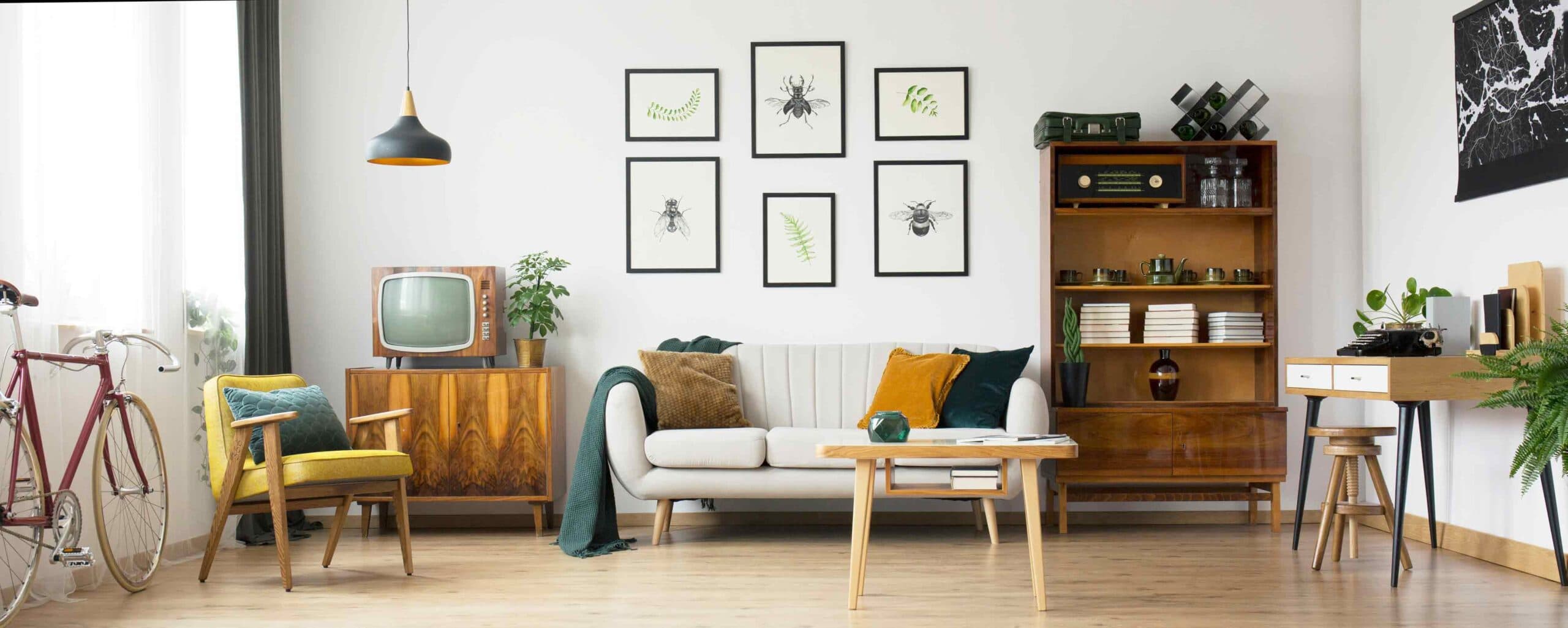
From an interior design standpoint, vintage design refers to the skillful and purposeful use of furniture, decor, colors or even patterns from earlier periods into a modern living space. This can be done by drawing on previous design eras, ranging from mid-century modern furniture to Victorian-era art. Mixing old and new elements makes it possible to create an incredibly unique look that adds warmth and atmosphere to any space.
Why Vintage Is Making a Comeback
What’s causing more interior design clients to ask for vintage elements in their spaces, anyway? There are a few possibilities to consider. For starters, as people become increasingly conscious about sustainability and the environment, many interior design clients are beginning to rethink what’s most important to them as they create their ideal living spaces. By opting for elements of vintage design, it is possible to repurpose and reuse vintage items that may have otherwise ended up in a landfill, resulting in more sustainable home decor and design that clients can feel good about.
Likewise, as some furniture and home decor becomes increasingly mass produced, many clients are looking for curated pieces that have more depth and meaning than what they would find at a local big-box store. As a result, they may opt for modern vintage decor and even retro pieces to help them add character to their spaces.
Key Vintage Design Influences
Now that we’ve established how vintage design is making a comeback, let’s dive deeper into the specific design influences that we’re beginning to see more of. From mid-century modern design to art deco, industrial and Bohemian, it’s all fair game.
Mid-Century Modern
Mid-century modern design, which emerged during the 1940s and grew well into the 1960s, is characterized by clean lines, natural materials and a more minimalist approach to design. Much of mid-century modern design was also centered around bringing elements of nature inside, so the use of house plants and other greenery is a major element of this style.
It makes sense to see elements of mid-century modern design coming back, especially when you consider the increasing popularity of minimalism in today’s society.
Art Deco and Glamour Eras
Another vintage era that’s beginning to make a comeback in modern eclectic interior design is that of Art Deco style, which boomed in popularity during the “Roaring ‘20s” and throughout the 1930s as well. From an interior design standpoint, this glamorous era was marked by the use of bold geometric shapes, luxurious materials and ornate details with an overall focus on symmetry and balance.
Today, clever interior designers are reviving elements of the Art Deco period with the use of geometric decor (such as sculptures and vases) and other ornate accents to evoke feelings of glitz and glamour.
Industrial and Rustic Charm
Both industrial and rustic design elements have also seen a revival in recent years, not just in interior design but in architecture as well. In industrial design, there’s a focus on the incorporation of natural light alongside a minimalist approach. Furniture and other fixtures in this type of design tend to be made from raw and unrefined materials, such as metal and wood. In some cases, pops of color may be used to breathe life into an otherwise neutral space, but this will vary from one designer to the next.
1970s and Bohemian Touches
When you think back to interior design in the 1970s, what comes to mind? Olive greens and bold oranges? Shag carpet? Believe it or not, the 1970s brought the interior design world a lot more to appreciate. From boho-inspired decor to eclectic designs rich with earthy tones, interior design during this period was truly unique and free-spirited in ways that people are beginning to appreciate again in the modern era.
Designers can incorporate elements of ‘70s and Bohemian-era design by strategically layering elements to create personality and using natural materials (like wicker and wood) to keep things feeling relaxed.
How to Incorporate Vintage Into Contemporary Interiors
With so many different eras to draw from, how can today’s interior designers successfully incorporate vintage elements into spaces to meet their clients’ needs? Here are a few tips and best practices worth keeping in mind.
Statement Furniture Pieces
First, keep in mind that you don’t have to commit to anything permanent (like architectural changes) to achieve that ideal vintage modern design. Even just one or two statement furniture pieces can be enough to give a nod to a previous design era, so be sure to explore modern vintage furniture options (like sofas and side tables) to go bold without sacrificing function in the process.
Mixing Eras for Eclectic Balance
For a more unique and eclectic design, you might even consider blending components from different eras to achieve your desired look and feel. Industrial pendant lighting around a decorative mirror with a rustic antique frame? Sometimes, the best combinations are the ones that seem the most absurd. A little experimentation can go a long way in helping you figure out your own signature style!
Using Vintage Textiles and Patterns
Every era had its own hallmark textiles and patterns. From the bold floral patterns of the 1950s to the geometric designs of the 1960s and 70s, incorporating era-specific patterns can be a great way to add vintage flair to any space. Curtains, throw pillows and rugs are all excellent places to showcase these textiles and patterns in your vintage design.
Accessorizing With Vintage Finds
Sometimes, working vintage items into your interior designs requires you to get out there and get your hands dirty. Exploring thrift shops and other vintage stores can help you find one-of-a-kind items that will take your design to the next level, so don’t be afraid to venture out and see what you can find.
Benefits of Blending Vintage With Modern Design
When vintage design successfully blends into modern design, you and your clients can benefit in several ways.
Sustainability and Upcycling
First, upcycling vintage items into a modern design is good for the environment. In addition to saving older items from a landfill, you can repurpose and upcycle your finds to give them new life while promoting sustainability in design.
Personalization and Storytelling
Who doesn’t love a little trinket that tells a story? With the unique vintage finds you can incorporate into a design, you can give your clients the gift of conversation pieces that they will love sharing with their own guests.
Timeless Aesthetic Appeal
Vintage design, when used appropriately, can be truly timeless. As a result, your clients can enjoy their unique living spaces for many decades to come without losing out on any of the appeal. Meanwhile, these spaces remain versatile enough to be adapted for different times of the year or even different periods of life.
Real-Life Examples and Inspiration
Are you still unsure how to incorporate vintage home decor ideas into your work? It may be helpful to explore a few real-world examples for inspiration.
Contemporary Homes With Vintage Flair
In this Houzz article, you can see before and after photos of a Victorian home renovation in Northern California, which focused on adding vintage flare to an otherwise contemporary design. In one bathroom, for example, you can see how the designer added a vintage-style trough sink with vintage faucets and some eclectic wallpaper on the ceiling. These elements, when combined with sleek and modern pendant lighting and classic wainscoting on the walls, really come together to create a timeless look.
Designer Spotlights
Looking for more inspiration? There are plenty of interior designers in the field who have made names for themselves with their eclectic designs, including those who are known for using vintage pieces in their work.
Kate Pearce, for instance, is described as a “vintage obsessed, interior-styling guru” who has predicted many vintage trends we’re now beginning to see today, including the resurgence of wallpaper and elements of neoclassicism.
Vintage-Inspired DIY Projects
You don’t necessarily have to be a professional interior designer to add touches of vintage design to an existing space. As thrifting has become an increasingly popular hobby among many shoppers looking to save a buck, the use of thrifted vintage items in home design has led to some unique projects. For example, you can add unique charm to a space by grabbing some framed vintage artwork from a thrift store. Keep the original frames, but swap out the artwork or photos for a quick and cost-effective gallery wall.
Learn More in an Interior Design Program
From vintage lighting fixtures to antique home accessories, the resurgence of vintage and eclectic home decor is creating plenty of opportunities for interior designers to flex their creative muscles and create truly one-of-a-kind living spaces. By knowing how to incorporate vintage elements into modern home decor and contemporary home design, you can strike that ideal balance of timeless style with practical design.
Looking to take your understanding of design to the next level? Rocky Mountain College of Art and Design’s Bachelor of Arts in Interior Design program covers the essentials of architecture, color theory, environmental design and industrial design that today’s professionals need to thrive in this ever-evolving industry. Get in touch to learn more about this program and its flexible on-campus and online format offerings, or take the next step by filling out your online application here!