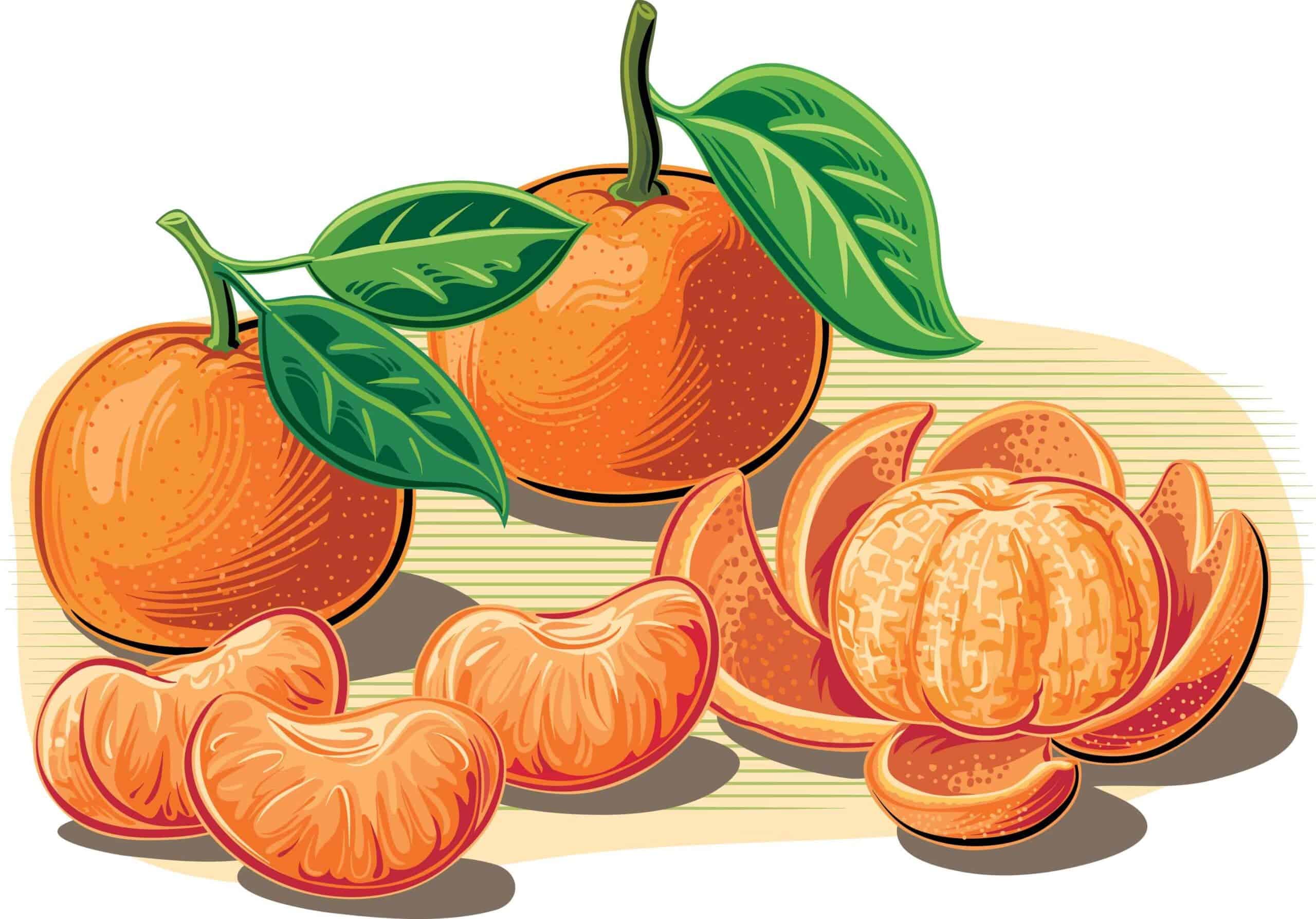
Artistic realism refers to the process of creating life-like works of art. Rather than creating a subjective illustration based on the artist’s perception, artists who specialize in realism strive to create relatable and engaging works that showcase people, objects and landscapes as they appear naturally.
Textured art plays a prominent role in artistic realism, requiring illustrators to learn how to create texture in art. Through both traditional, hand-drawn illustration techniques and digital texture art techniques, artists and illustrators can add depth to their works.
What Is Texture in Illustration?
Considered one of the primary elements of art, texture in art gives the viewer an idea of what the object might feel like if they were able to touch it themselves. Artists depict texture in illustration by using color, line and shading. The Getty museum notes that texture is typically used most heavily in two-dimensional illustrations.
Defining Visual and Tactile Texture
The two primary types of texture in digital art and traditional art are visual and tactile texture. According to research published in Frontiers in Computational Neuroscience, visual texture gives the illusion of texture in art, whereas tactile texture physically exists, often compelling viewers to reach out and feel the art for themselves.
The Psychology of Texture in Art
Texture has long been shown to influence the mood and tone of a particular piece of art, which is another reason why it is widely used in two-dimensional pieces. When texture illustration techniques are effectively applied, the artist can influence the psychological response to the piece.
How Texture Adds Depth and Dimension
In both digital illustration and hand-drawn illustration, texture adds a sense of depth and dimension to the work. Incorporating texture into digital art enhances realism and engagement, leading to a more profound emotional impact on the viewer.
Techniques for Creating Texture
Modern illustrators rely on both traditional and digital techniques to create texture in their art. In many cases, illustrators develop a foundation in hand-drawn textures before they begin working with the advanced digital illustration tools widely used today.
Some of the most common texture illustration techniques include:
Hand-Drawn and Traditional Texturing Methods
Hand-drawn and traditional texturing methods have been used by artists across all mediums for centuries, allowing them to incorporate texture into their works and strategically evoke an emotional response. Marks and patterns are often used in hand-drawn illustrations to create the appearance of texture.
Digital Brushes and Layering Techniques
As illustrating techniques evolved and technology advanced rapidly, digital brushes became a popular tool among modern illustrators. Digital brushes, such as Photoshop texture brushes, utilize patterns to create the appearance of a texture, enabling illustrators to design digital images that appear to have a natural texture.
Combining Mixed Media for Unique Effects
Illustrators can also combine mixed media to create innovative texture designs within their pieces. Illustrators can achieve authentic and unique results by using diverse materials and advanced techniques. For example, watercolor paints can be a powerful illustration tool, giving artists the ability to create realistic and visually-appealing illustrations.
The Role of Texture in Visual Storytelling
Texture can be a powerful storytelling aid, giving the viewer the ability to better understand the narrative of the piece. Texture works to draw the viewer into the piece and allow them to connect with it in a physical way, which is one of the reasons why it is widely used in visual storytelling.
Texture can be used in visual storytelling by:
Creating Mood and Atmosphere
Texture is an artistic element often used to convey emotion and evoke a psychological response. As a result, it can be used in visual storytelling to define the mood and atmosphere of the narrative.
Using Texture to Highlight Focal Points
Whether through patterned brushstrokes or distinct marks, texture can be used in visual storytelling to draw attention to focal points within the piece. An artist can harness texture to maintain the viewer’s focus, effectively guiding them through the narrative.
Differentiating Characters and Backgrounds
Regardless of the type of work an illustrator focuses on, texture can be used to differentiate between different characters and scenes within a piece. Texture is an easy visual cue for the readers or viewers to rely on to interpret the setting, space and characters.
Tools and Software for Texture Creation
Artists who focus primarily on digital illustration will often rely on advanced tools and software to create texture in their works. Some of the leading tools and software used to create texture in digital art include:
Photoshop, Procreate and Illustrator Brushes
Photoshop, Procreate and Illustrator brushes are some of the most widely used digital illustration tools for texture. These advanced digital brushes can create a variety of textures, such as brick, glitter, tile, canvas and more.
Texture Libraries and Custom Brush Creation
Digital illustrators often build texture libraries throughout their careers, allowing them to store a variety of digital images and graphics that can be used to create texture within their works. Some digital illustrators can create custom brushes as well, giving them more flexibility and freedom to develop unique textured patterns.
3D and Vector-Based Texturing Techniques
In addition, 3D and vector-based texturing techniques are used to create the appearance of realistic texture in digital designs. Vector-based texturing utilizes vector graphics instead of pixels to create high-quality illustrations with texture.
Case Studies: Texture in Iconic Illustrations
These examples allow aspiring illustrators to explore the role of texture in the most iconic and well-known illustrations. Some prominent case studies include:
Quentin Blake’s Sketchy, Expressive Textures
Famous for illustrating many of Roald Dahl’s iconic children’s books, Quentin Blake is an illustrator best known for his whimsical drawings. Blake often used a dip pen to create the unusual lines and expressive textures that defined his drawings.
Shaun Tan’s Textured Worlds and Surfaces
Shaun Tan is an illustrator based in Australia who has created fantasy illustrations for books and animated films. He often uses collage and mixed media to create unusual and inspiring textures that evoke a sense of magical realism in his works. Recently, he began blending traditional and digital techniques to improve texturing in his illustrations.
Hayao Miyazaki’s Studio Ghibli Background Illustrations
Studio Ghibli has become famous for its visually-stunning backgrounds, many of which were created by Japanese animator Hayao Miyazaki. Miyazaki’s detailed background illustrations create an immersive environment for the animated films.
Jillian Tamaki’s Graphic Novel Illustrations
Today, Jillian Tamaki is famous for her graphic novels, in which she widely uses texture to convey emotion and expression in her stories. Her experimentation with texturing actually began while she was working on character designs for a video game company.
Challenges and Solutions in Using Texture
Textured art is going to be more compelling and inviting than pieces without texture, but there are some challenges associated with using texture, such as:
Avoiding Overuse or Visual Clutter
Texture should be used strategically to create the appearance of subtle and realistic patterns in the piece. Overusing textures can lead to visual clutter, which can distract from the intent of the piece.
Maintaining Consistency Across Styles
Some illustrators struggle to consistently apply the same texturing techniques across all styles. Inconsistent texturing can reduce the impact of the piece and prevent people from connecting with it as deeply.
Balancing Realism and Artistic Expression
Texture is often used to support realism, but attempting to be too realistic can inhibit artistic expression. It’s essential to strike a balance between texture and a creative approach to illustration, as this enables you to create a piece that is entirely your own.
Tips for Aspiring Illustrators
Art students and aspiring illustrators will find that practicing both hand-drawn techniques and digital approaches to texturing will allow them to become more comfortable incorporating texture into their illustrations.
Aspiring illustrators can improve their texturing work by:
Experimenting With Texture Studies
In the world of art, practice makes perfect. You should continually experiment with texture studies to determine which approach best suits your style and achieves your goal.
Observing Real-World Surfaces for Inspiration
Remember that texture adds realism to your art, so you should always look to the natural world for inspiration. Take note of differences in real-world surfaces and textures, and strive to incorporate those into your illustrations.
Building a Portfolio Showcasing Textural Skills
As you create your illustration portfolio, incorporate pieces that showcase your texturing skills. Be sure to highlight both hand-drawn illustrations and digital illustrations in your portfolio.
FAQs:
1: What is texture in illustration?
Texture refers to the visual or tactile quality of a surface in artwork, used to create depth, realism and mood.
2: How can digital artists create texture?
Digital artists use brushes, layering techniques, overlays and custom patterns in tools like Photoshop and Procreate to add texture.
3: Why is texture important in illustration?
Texture adds dimension, makes illustrations more engaging and can evoke emotional responses from viewers.
4. What are examples of textured illustrations?
Works by Quentin Blake, Shaun Tan and Studio Ghibli use distinctive textures to enhance storytelling and visual appeal.
5: How can beginners practice adding texture?
Beginners can start by observing real-world surfaces, experimenting with textured brushes and layering different patterns in digital or traditional media.
Develop Proficiency in Texture Art Techniques at Rocky Mountain College of Art + Design
Textured art can be created using both hand-drawn and digital illustration techniques, giving artists the creative license needed to create compelling and engaging works of art. Both the on-campus Bachelor of Fine Arts in Illustration degree and online Bachelor of Fine Arts in Illustration degree focus on creating depth in art, providing students with an opportunity to develop advanced digital illustration skills as well as explore traditional techniques, such as those used to create hand-drawn textures. The skills-based curriculum for the illustration degree program enables students to become proficient in the leading illustration techniques while learning to create visual impact in art.
Request more information about our fine arts degree programs today