There is something elegantly understated about good design. For every famous piece of art hung on a gallery wall clamoring for your attention, there are a dozen teapots, street signs, and chairs that are so immaculately executed that their designer’s inspiration becomes almost invisible. Thousands of seemingly daily items that are so easily taken for granted. What inspires these designers who make these often underappreciated beauties?
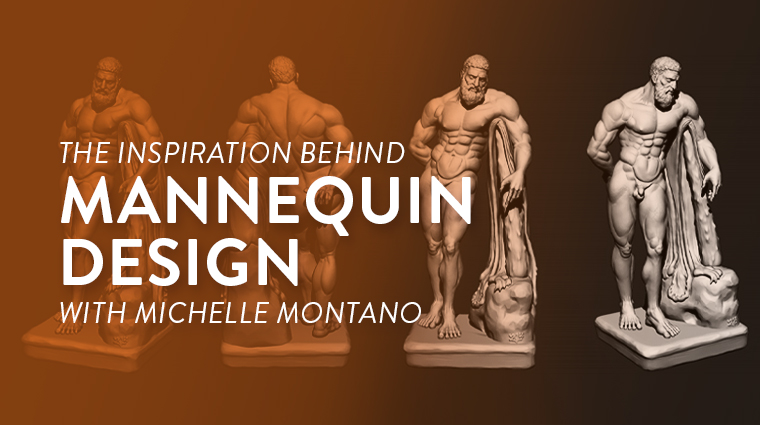
Perhaps nowhere is there a better example of this than in the average mall. Walking into a storefront, you likely see these hidden art pieces, but you may walk right past them. As you peruse stores, you are mindful of clothing’s shape, color, and designer labels, but what about what is beneath the garment? The humble mannequin. More than an opposable hanging rack, it is a blank canvas designed to feel universal, something that we can all look at and see ourselves staring back.

Anatomy of a Mannequin Designer
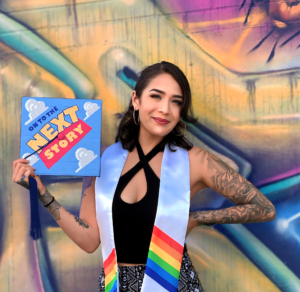
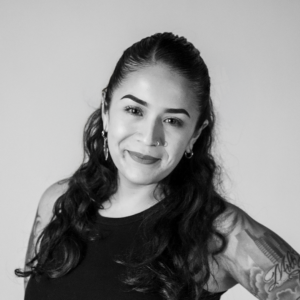
As an artist, Michelle Montano says she has “always been drawn to human anatomy.” However, when Montano first enrolled in RMCAD’s 3D animation program, she had no idea she would end up being a mannequin designer for NOA Brands. With a passion for character design, Montano found her footing as an animation student, designing realistic characters who came to life with stylistic flourishes.
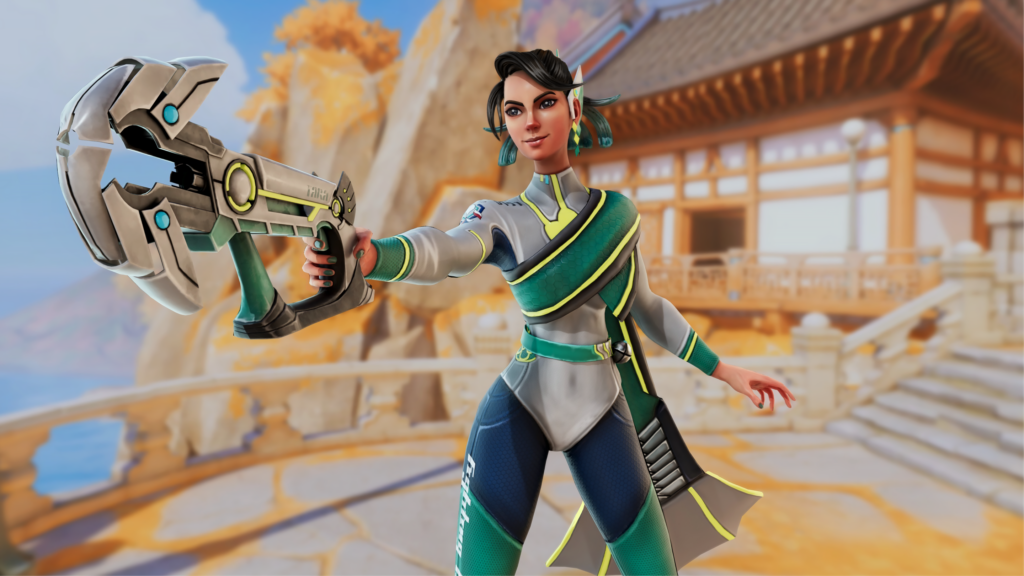
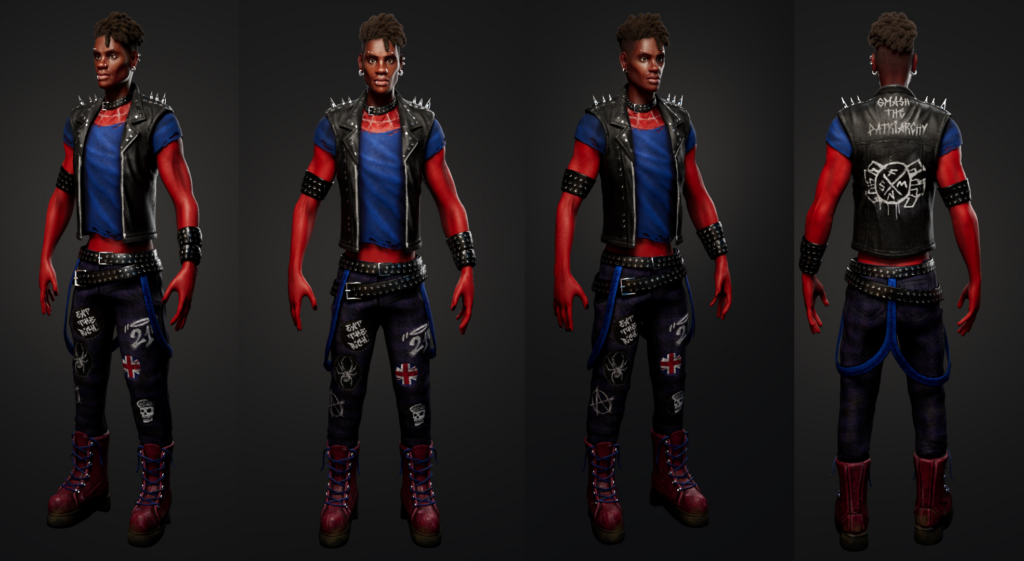
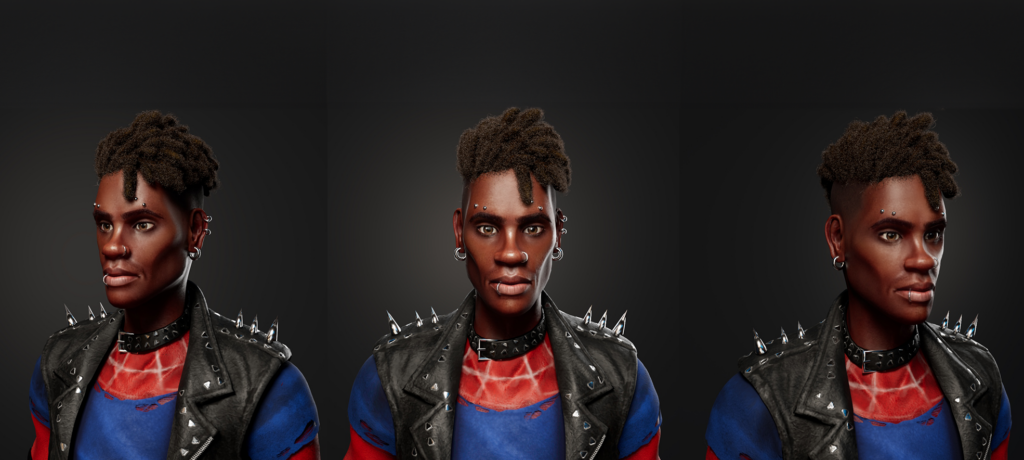
While in school, Montano proved that she was not only capable of designing memorable characters but also engaging spaces as well. For her senior capstone project, she created an entire video game level with an avatar viewers could control as they navigated her one-of-a-kind streetscape. Titled “Fish N Chips,” because of the demo’s setting, Montano became fluent in nearly every single part of the game art pipeline.
Drawing inspiration from the fan-favorite character Spider-Punk, she designed all of the game’s assets herself, a task usually designated for an entire team. She estimates that she worked nine hours a day for eight weeks straight on the project. Montano said that she “learned a ton that I carry on with me in my professional career, it was a really awesome experience.”
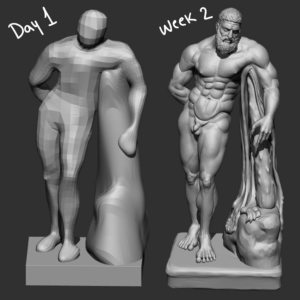
She shared that she originally wanted to be a 3D animator for film and games, “in my heart, I was set on that.” But fate has a funny way of changing one’s original plan. It wasn’t until she took a digital sculpting class that her entire animation career began to pivot. She found a niche in 3D sculpting, creating characters with a software called Z-Brush. Whereas most of her classmates were thinking about movement, Montano was focused on form. Slowly structuring characters so that their design alone spoke volumes on who they were and what they were like.

Articulating Creativity
In 2024, Montano graduated from RMCAD. It was time for her to take her animation expertise into the working world. She went on to do some freelance work and stretched her skillset in a new role or two, but was still trying to find her perfect career fit. She opened up that she began struggling with creative burnout as a professional. Montano struggled to find that same inspiration that once came to her so easily.
While Montano had long prioritized her physical health, it wasn’t until burnout got worse that she noticed the link between her creativity and her mental health. Once she noticed the link, her response became far more actionable. She began putting as much time into herself as she did her art. Stretching, going on runs, and being kinder to herself and her work, these were the key steps to rediscovering her creative voice. When asked what advice she would give to current students approaching graduation, she answered, “learn how to push through burnout and find inspiration from everyday life.”
But as mentioned earlier, good design has a tendency to make an impact. In the case of “Fish N Chips,” all of Montano’s hard work didn’t go unnoticed. In 2025, almost a year later, she returned to her alma mater for RMCAD’s Annual Frames n’ Games Film Festival. The festival celebrates the hard work of RMCAD’s Animation and Game Art students and alumni. As an alumna, her game demo was recognized for its tremendous detail and scale. She was reminded of all those hours of work when she didn’t doubt herself, which certainly didn’t hurt in reigniting her confidence!
Striking a Pose
It was only a few months later that Montano accepted the role at NOA Brands. It may not have been the obvious choice to her when she first graduated, but after overcoming her professional struggles, NOA Brands allowed her to focus on her favorite part of animation, meticulously designing the form, posture, and character of her designs. Her new role puts all of her hours of digitally sculpting the human form in Z-Brush to good use. From the start, she could see how the role embodied all her favorite parts of being an animator.
“As a 3D artist, we make art, but it only really lives in the computer. So the really cool thing about my job is seeing my designs become something tangible.” Montano fell head over heels for the ability to not only see her designs come to life in a physical space but also how they could stand tall like her. “It is really magical to see a live scale mannequin looming over you. It’s something I never experienced before working here,” Montano shared.
To her, the trick of good design for anything, not just mannequins, is to tell a story. No matter how subtle or nuanced, all good design tells a story. When starting a new project, Montano says that she looks for “the tiny details that tell stories.” These stories communicate the character of the mannequin to consumers, and, by operating as a blank slate, it can help them decide who they want to be by proxy. Whether it’s dynamic poses, simulated motion, or effortlessly articulated joints, every decision Montano makes communicates who the mannequin is.
This process has completely changed Michelle Montano’s perspective on design. She once again sees inspiration lurking in the hidden details often forgotten by the rest of the world. Particularly, as a 3D artist, she loves to find those sweet secrets in the tangible world to inform her work. The gentle curve of ergonomic handles on public transit, the subtle color of carpet fibers in a hotel, the legible font of letters on a keyboard, and, of course, mannequins in a mall. Montano said it best, “It’s a constant pursuit of curiosity!”
Ready to Pursue Your Passion for Design?
Whether for TV, movies, games, or 3D sculpting, animate your dreams at Rocky Mountain College of Art + Design. Our on-campus and online animation programs include 2D and 3D degrees that emphasize storytelling through character design, movement, and creating an animation demo reel. Get in touch for additional information or take the next step and apply today.