
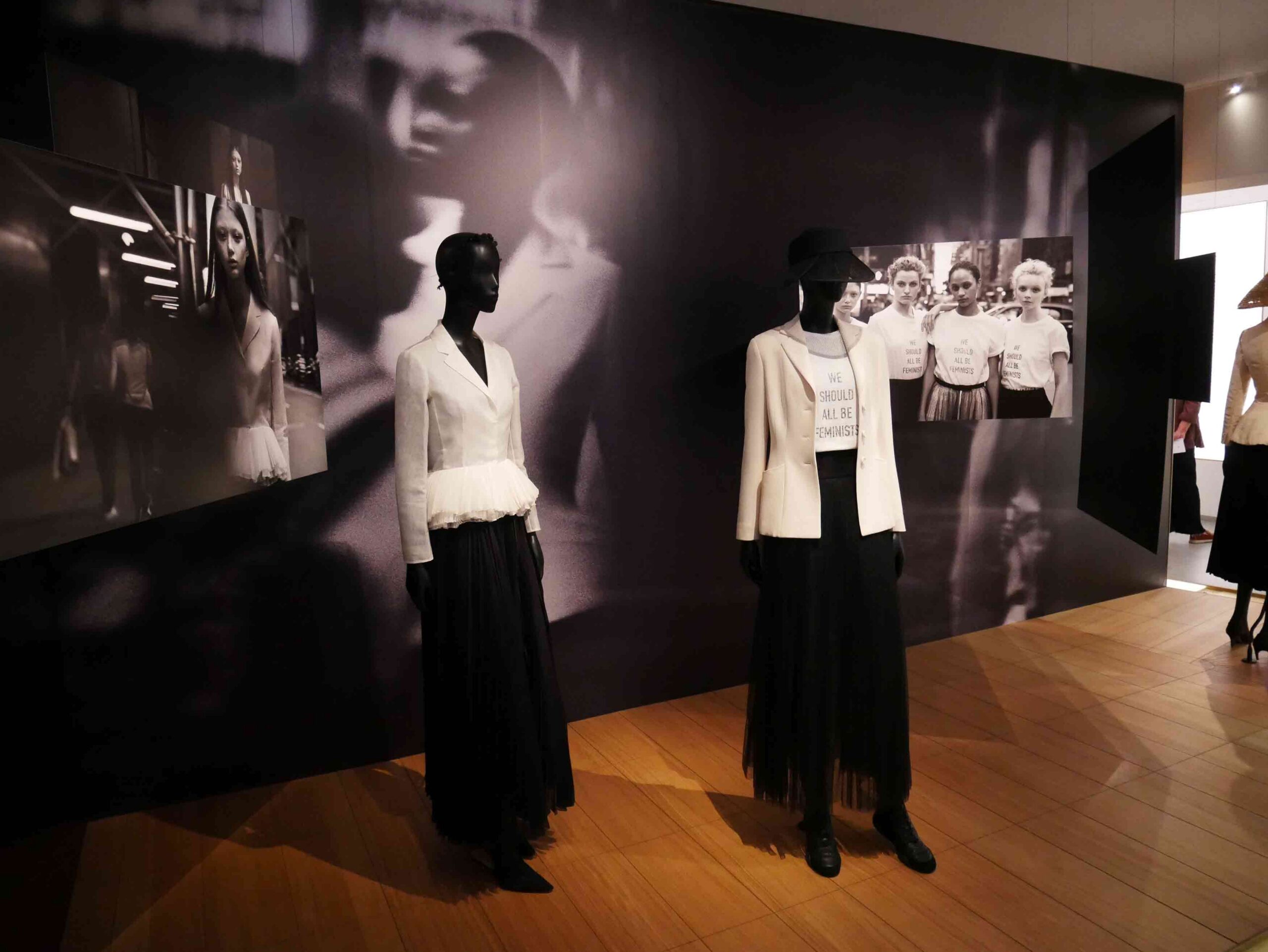
When you think about storytelling, fashion design might not come to mind as a related art. However, given the effort fashion designers put into building emotional connections and visual narratives that their audiences can relate to, the link becomes more evident. For those considering a career in fashion, whether in fashion illustration or product development, knowing how to craft a compelling, authentic narrative is key to truly engaging with and appealing to your target audience.
Defining Storytelling in Fashion Design
Storytelling in fashion design entails the practice of using a narrative structure to communicate a brand’s values, inspiration and identity to audiences.
What a “Fashion Narrative” Looks Like, Beyond a Theme
While many fashion narratives do center on a chosen theme, a theme alone might not be enough to tell a compelling or authentic story. Instead, effective fashion storytelling moves beyond a simple theme to create immersive, cohesive stories that elicit an emotional response and connect with viewers on a personal level.
Story vs. Trend: How Meaning Outlasts Seasons
Additionally, storytelling in modular fashion design is a powerful tool because, unlike mere trends, stories can span from season to season or year to year. Whereas a fashion trend may come and go in a matter of weeks, a brand story builds long-term brand loyalty while serving as a differentiator in a saturated market.
Sources of Fashion Narratives
So, where do fashion designers get their inspiration for the storytelling process? In many cases, fashion concept development begins with one of the following:
- Personal history, memory or autobiographical design – Individual stories and personal experiences
- Place-based stories – Geography, heritage-inspired fashion and local craft
- Research-led stories – Archives, museums and primary sources
Of course, there’s no definitive “list” of every potential source of fashion storytelling, as inspiration may strike at any moment. Some fashion designers may be inspired by art movements, nature, street style or even contemporary social issues in the fashion design process. In other words, nothing is off limits.
Narrative Structure for a Collection
Like a great story, a compelling fashion narrative has a clear beginning, middle and end. Often, this is represented by stages of inspiration, production and (finally) an end product. Some of the most central components of a fashion collection’s narrative structure, then, include:
- Setting, characters and conflict – These components essentially “set the stage,” often revealing the inspiration for the collection.
- Story arcs across looks – These arcs should demonstrate a clear beginning, middle and climax, showcasing the journey the designer took to achieve the end product.
- Continuity tools – Designers may rely on tools such as motifs, repetition and variation in their work to build a sense of continuity for future designs.
Visual Language, Symbols and Metaphor
An aspect of storytelling in fashion design that sets it apart from written narratives is the ability to employ strong visuals to elicit emotion and communicate concepts to audiences. In this sense, designers can make a point without using a single word.
Color Stories as Emotional Scripts
One way in which fashion designers may accomplish this is by using color stories as emotional scripts. Drawing upon the concept of color theory, certain colors and hues have been found to elicit specific emotions in audiences. Reds and oranges, for instance, may evoke feelings of strength and passion, building an emotional script that audiences are sure to pick up on.
Prints, Patterns and Iconography as Symbols
Meanwhile, certain prints or patterns may be used to transform fashion garments into powerful narrative tools. Bright floral prints and similar bold patterns can help capture an audience’s attention while simultaneously boosting mood, whereas other patterns could even denote specific heritages or cultures.
Material, Texture and Sensory Meaning
The different fabrics, textures and materials fashion designers choose can have an enormous impact on storytelling, especially given how these various sensory inputs can influence psychological and emotional responses.
In selecting materials and textures, fashion designers should consider:
- Fabric selection as worldbuilding, particularly when aiming for certain sensory or emotional responses. Weight and drape, for example, can make a big difference.
- Surface design details, such as embroidery, appliqué, beading and distressing to signal moods.
- Sustainable materials and repair aesthetics as narrative choices, particularly for brands appealing to a target audience of environmentally conscious consumers.
Construction Details That Tell the Story
In addition to materials and textures used, even the seemingly smallest of construction details could make all the difference when crafting a compelling narrative. Namely, designers may consider such details as:
- Seam placement, structure and reveal moments.
- Lining, labels and even hidden messaging as “Easter eggs” for consumers.
- Transformable garments with modular fashion design, layers and plenty of movement to adapt to changing needs.
- Deconstruction in fashion, or the exposure of raw edges and unfinished details.
Through careful contemplation of these minute details, fashion designers help ensure that no page goes unturned in telling their unique stories.
Styling and Art Direction as Narrative Amplifiers
In many ways, both styling and art direction are powerful elements that can amplify messaging without changing the design of a single piece.
Casting, Hair, Makeup and Props as Character Signals
For instance, character signals can build a persona that makes it easier for a target audience to connect with or envision themselves wearing a garment. Through creative casting, makeup, and even props as character signals, fashion designers can reflect the true spirit of the brand story.
Location, Set Design and Lighting for Mood
In a fashion shoot, choosing the right location, set design and lighting effects can also have a major impact on how well a fashion story translates to the printed page (or digital screen). An urban location with hard, direct light may evoke a raw, dramatic feeling, whereas softer light and a minimalist set design may yield a luxurious feel.
Music, Choreography and Pace for Runway Storytelling
On the runway, fashion designers have a unique opportunity to bring their stories to life. Through the creative integration of music, choreography and pace, designers can transform their products into an emotional performance that strengthens brand awareness and recall for viewers.
Communicating Narrative Across Platforms
Storytelling in fashion isn’t just confined to the runway or print. For maximum reach and impact, designers and their teams will find ways to communicate a consistent narrative across a wide range of platforms through:
- Lookbooks and campaigns, which can serve as “chapters” of a story
- Short-form video and fashion film storytelling
- Social media features and special highlights, including Reels, carousels and behind-the-scenes content
Cultural Context, Ethics and Authenticity
Telling stories through fashion design is often about having fun, but in doing so, it’s important to be conscious of cultural context, ethics and authenticity. At the end of the day, a great fashion narrative is about building trust with consumers while prioritizing cultural integrity and authenticity over passing trends.
H3: Inspiration vs. Appropriation: Research, Credit and Collaboration
In their storytelling efforts, fashion designers must work to maintain cultural appropriation awareness. Taking the time to get to know and understand subculture fashion history (and giving proper credit where it is due) is critical for ensuring that designs are inspired rather than mistakenly appropriated.
Designing With Communities: Co-Creation and Shared Benefit
One strategy that many culturally conscious fashion designers leverage in storytelling is building their narratives along with the communities from which their designs are inspired. Doing so can build a sense of shared value and benefit while ensuring inclusivity and maximizing empowerment, a win-win for designers and communities alike.
Responsible Storytelling: Stereotypes, Body Diversity and Inclusion
Ultimately, in order to cultivate authentic and trusting relationships with their audiences, fashion designers have a critical responsibility to avoid perpetuating stereotypes in their stories as well as to ensure body diversity and inclusion among their models. Despite the fact that 67% of American women fall into the plus-size category, plus-size models still represent just 0.8% of modern fashion runways.
Case Studies: Global Perspectives
For visual learners (like many great fashion designers are), beholding some examples of fashion storytelling in the real world may help solidify the concepts. Fortunately, there is no shortage of fashion storytelling case studies from across the globe to explore:
- Japan – Avant-garde narratives, deconstruction and conceptual runways.
- France – Haute couture storycraft and fashion symbolism as presented by brands like Atelier Détails.
- United Kingdom – Subculture stories and political fashion inspired by the House of Commons itself.
- Italy – Heritage craft narratives blended with material luxury.
- Nigeria – Contemporary identity, pattern and ceremony in design.
- India – Textile traditions, intricate handwork and strong narrative ornament.
- Mexico – Folk motifs, regional dress variations and modern reinterpretations of traditional fashion.
Studio Methods for Building Story-Driven Collections
As you experiment with storytelling in your own beginnings as a fashion designer, you can draw from plenty of tried-and-true studio methods to build your narrative and let your creativity shine through.
Research Boards, Story Bibles and Mood Maps
Research boards are an excellent starting point, particularly when it comes to experimenting with different textures, fabrics and color options. Likewise, story bibles (living documents that describe the narrative) and mood maps can be useful for designers striving for cohesiveness and art direction in fashion storytelling.
Translating Keywords Into Silhouettes, Textiles and Details
Many fashion designers also find success in defining a few target keywords for their narratives early in the process. From there, those keywords can be translated into silhouettes, textiles and other distinct details that bring the story home.
A designer going for a minimalist look, for example, may opt for straight and clean lines in their design — along with simple textiles (like cotton and wool) with limited seams and hardware.
Critique and Iteration: Strengthening the Narrative Through Feedback
In the design studio, ongoing feedback is crucial to long-term improvement. From creating a fashion moodboard to finalizing those finishing touches, feedback and suggestions from other students can be a great way to strengthen your narrative while having a sounding board of audience members to work with as well.
Discover More in a Fashion Design Degree Program
Just as an author relies on visual language, fabric symbolism and metaphors to tell a story, talented fashion designers employ the same elements to build compelling brand narratives in their work. By storytelling through design, it is possible to better connect with audiences and build lasting brand awareness.
Like many other proficiencies, fashion storytelling is a skill developed deliberately and with practice. If you’re looking for a formal degree program that teaches this skill in addition to other career-ready abilities, the Bachelor of Fine Arts in Fashion Design program at Rocky Mountain College of Art + Design could be suitable for you.
Offered in your choice of online or on-campus learning formats, this program gives students the opportunity to develop skills along with a robust portfolio for fashion designers. Contact us to request more information about this program, or take the next step by completing your application for admission today.
FAQs: Fashion Design and Storytelling
Q1: How is storytelling different from picking a theme for a collection?
A theme is a topic. Storytelling adds point of view, emotional intent and continuity, so each look feels like part of a coherent world with a beginning and evolution.
Q2: Do story-driven collections have to be literal or costume-like?
No. The strongest narratives are often subtle — expressed through color rhythm, recurring details, fabric choices and silhouettes that suggest a mood rather than illustrate a plot.
Q3: How can a designer communicate a story if viewers only see one look?
Build narrative into each garment with symbols, construction details and styling cues. Then reinforce it through product descriptions, imagery and consistent art direction.
Q4: What is the best way to start building a narrative collection?
Begin with a story prompt and a small set of keywords tied to emotion. Collect references from archives, places and objects, then translate those into a palette, silhouettes and a motif system.
Q5: How can designers avoid cultural appropriation when using heritage references?
Research deeply, credit sources and collaborate with communities when possible. Avoid copying sacred or culturally specific elements without context, permission or shared benefit.
Q6: How do styling and runway choices affect the story?
Styling is narrative punctuation. Casting, hair, makeup, sound and pacing shape how the audience reads the garments and whether the collection feels romantic, confrontational, nostalgic or futuristic.
Q7: What should students include in a portfolio to show storytelling ability?
Show your research boards, a story summary, design development and final looks. Include lookbook spreads and captions that explain how each garment supports the narrative.