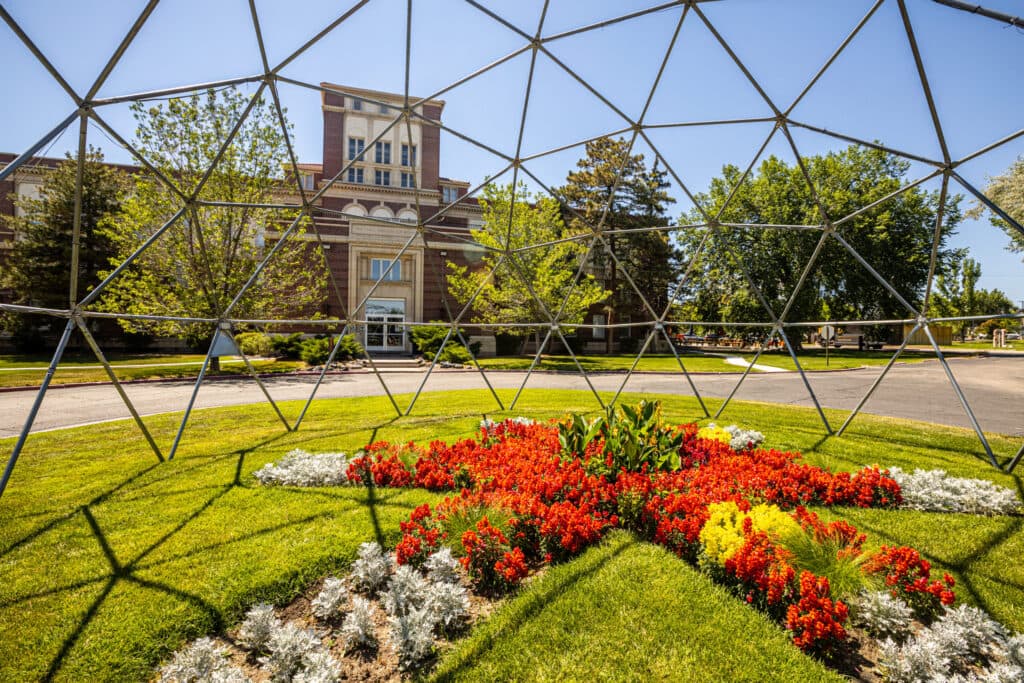
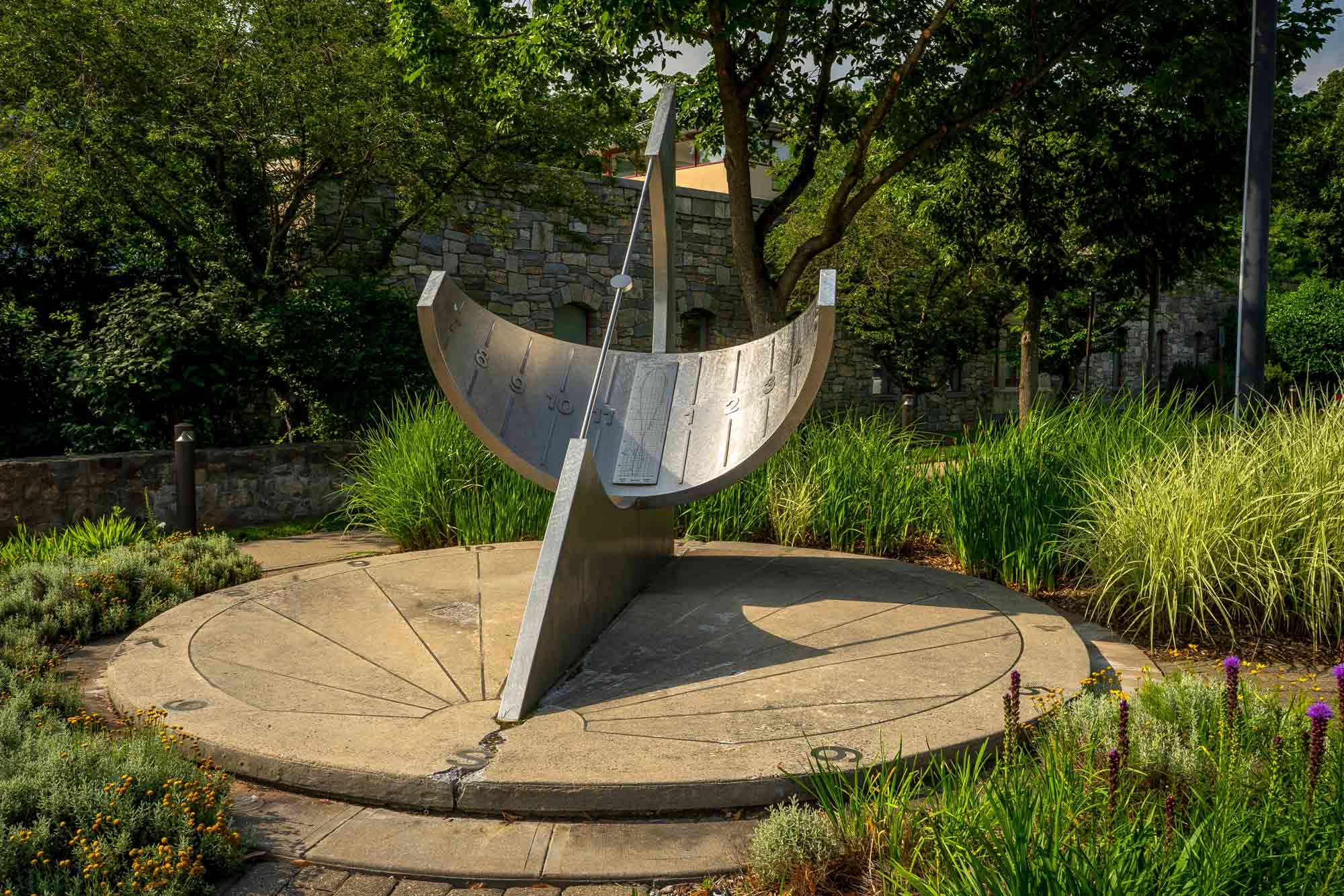
Site-specific installation art possesses the power to create magical, inspiring or even unsettling experiences with the power to transform our perception of the world. Audiences have the opportunity to stumble upon them, become immersed, and be treated to the experience of seeing and feeling a place or landscape through a new perspective. An integral type of contemporary art, the site-specific installation interacts with and responds to the characteristics of its location to create a unique experience.
What Is Site-Specific Art?
At first glance, it can be challenging to discern what delineates site-specific art from other art because all art must exist in a location. The relationship between site-specific art and its location, however, is what separates site-specific art from art that simply happens to be on display in any place.
Defining Site-Specific Installations
The primary defining characteristic of site-specific art (also called site-responsive art) is that it is highly dependent on its location. Not only is site-specific art designed for a particular place, but the art also draws significantly from its surroundings. So, if a site-specific piece of art is moved from its location, it would lose all or most of its meaning.
Site-specific art can take many forms, such as drawings or paintings composed for a specific location or sculptures sculpted to occupy a specific place, but site-specific art most commonly and predominantly comes in the form of installation art.
The Relationship Between Art and Place
In some ways, all art interacts with location. In a sense, the location where a work of art is displayed will impact its meaning. For example, if you were to display a painting above a fireplace mantel, in a bathroom or on the wall of a restaurant, it would take on a slightly different meaning and be viewed and experienced in a different light.
With site-specific art, the impact of the art’s location is deliberate and equally important, in terms of symbolic meaning and visual impact, as the work itself. Site-specific art engages with its surroundings, creating a meaningful dialogue or interaction between the art piece and the environment.
The Role of Context in Artistic Meaning
Context provides a lens or perspective from which to view, interpret and understand works of art. Without context, meaning can become lost, diminished or warped. Several factors provide artistic context, such as culture, history and social influences. In site-specific art, the surrounding environment or landscape lends a significant amount of context to the piece.
The Importance of Environment in Fine Arts
Art and nature are closely connected; the environment plays an important role as a subject in countless works of art, and it is also used as a medium in the creation of site-specific art installations.
Responding to Natural Landscapes
Outdoor art installations take inspiration from and respond to natural landscapes, as artists observe the unique characteristics of a site’s features, geology and topography.
Creating Dialogue With Urban Spaces
In urban spaces, urban art installations and urban landscape art create dialogues with the location and its inhabitants. Artists typically research the location, its architecture, history and cultural significance to help inform their designs and transformative urban art landscapes, while encouraging new perspectives through the creation of interactive experiences.
Site-specific urban art takes many forms, such as sculptures, murals and interactive public art installations.
How Environment Shapes Artistic Vision
The environment can always inspire artists. With site-specific art, the environment plays a much more significant role, as the artist’s choices reflect observations, responses to and interactions with the environment. Site-specific installations can attempt to manipulate, accentuate or transform the feeling or experience of a place.
With these projects, the environment and urban or natural landscape play a significant role in shaping the artist’s vision. The final creation will be informed by the shape, contours and textures of its surroundings. It might incorporate the colors, textures and materials found nearby, and it will respond to and interact with the location.
Techniques for Creating Site-Specific Installations
When it comes to site-specific art, the entire world can be your canvas. This concept can be a little overwhelming if you aren’t sure how to narrow your vision and focus on an individual idea. Considering the following techniques and incorporating them into the process can give some direction to artists who aspire to create site-specific contemporary art installations.
Using Local Materials and Resources
Site-specific installations are often multimedia projects, but artists should be mindful of the materials they choose to use. Artists often think that the most appropriate materials are ones that complement the location while also resonating with the concept for the artwork. Using local resources and materials will typically mean that the materials work well with the landscape and that they are also less expensive to purchase and acquire.
Blending Art With Architecture or Nature
Site-specific art must communicate with its surroundings. To accomplish this, the art must speak the same language, in a sense, as the surrounding architecture or nature. Artists should pay attention to the overall composition of the surrounding landscape. Consider the space, its shape, angles, colors, light and movement. Then determine how your artistic composition will respond. How will it harmonize with its surroundings? How should it clash with the surroundings? Where should it push up against the edges?
Considering Scale, Space and Surroundings
Throughout this process, an artist will be considering the installation’s surroundings because they must become an integral component of the artwork itself. This also means considering the space in which the installation will exist and the scale that the project must be to make an adequate impact within that space. For instance, artists must consider whether a small installation would be swallowed up by a large space or whether a big installation would unintentionally crowd a small location. The installation and the surroundings should feel well-balanced so that they become intertwined in a way that feels natural.
Case Studies: Notable Site-Specific Installations
An excellent way to find inspiration for your own site-specific art projects is to research and experience successful site-specific art examples, such as the following.
Christo and Jeanne-Claude’s The Gates in Central Park
The Gates was a temporary site-specific art installation that featured 7,503 saffron-colored steel gates hung with panels of saffron-colored fabric. The Gates traversed 23 miles of pathways in Central Park, New York City, from February 12 through February 27, 2005.
Andy Goldsworthy’s Nature-Based Installations
Among other creations, Andy Goldsworthy is well-known for his site-specific, nature-inspired art installations. He uses natural materials to create sculptures or meaningful alterations to the landscape that enhance the experience and impact of a place. Some notable examples include Tree Fall, Earth Wall, Wood Line, and The Spire in Presidio, California and Storm King Wall in Mountainville, New York.
Yayoi Kusama’s Outdoor Sculptures and Exhibits
A contemporary artist known for her use of bold colors, geometric patterns, polka dots and mirrored surfaces, Yayoi Kusama’s outdoor sculptures and experiential exhibits include numerous prolific pieces, such as Infinite Accumulation in London, England; Les Tulipes de Shagri-La in Lille, France and her iconic pumpkin sculptures, which occupy various locations around the world.
Environmental Impact of Site-Specific Art
As site-specific art relies on the environment for much of its meaning and impact, the environment should be able to rely on receiving mutual respect from site-specific art and artists through sustainable practices, minimal disruption and increased awareness about the importance of eco-friendly art projects.
Sustainable Practices in Installation Art
Responsible contemporary artists incorporate sustainable practices into their processes by using sustainable materials (i.e., recycled, upcycled, natural, renewable, non-toxic and low-impact). They also create art mindfully to reduce waste through careful planning, responsible fabrication and designing for disassembly and reuse. For art pieces that require power, artists should turn to sustainable and efficient energy sources, such as LED lighting and solar or wind power.
Minimizing Environmental Disruption
With outdoor art, it is especially important to consider the local habitat where you are working and create art in a way that will be minimally disruptive to wildlife. If necessary, consider speaking with local ecologists or biologists to determine the best placement and design features to optimize the safety and well-being of the local flora and fauna. For example, installing mirrors could be dangerous for birds, installing features that make noise could frighten or confuse nearby animals or placing an installation on a game trail could impede natural movements.
Raising Awareness Through Eco-Conscious Designs
Site-specific installation artists can leverage their public art projects to raise awareness about sustainability and other environmental considerations by showcasing their eco-conscious designs and sustainable processes in their works.
Challenges in Creating Site-Specific Works
Outdoor art installations, among other site-specific projects, often present a considerable challenge for artists. These large-scale endeavors demand extensive research, meticulous planning and thorough preparation, extending far beyond the traditional scope of artistic creation.
Navigating Weather and Environmental Conditions
Artists planning to create outdoor art installations must be mindful of the environmental conditions and weather that can be experienced in the location. These environmental factors will affect structural and material needs to ensure installations can withstand the elements. Consider whether the piece is intended to be permanent or remain for a single season.
Obtaining Permissions for Public Spaces
Additionally, artists who are installing pieces in public or privately owned spaces must obtain permission and the proper permits from the necessary governing bodies. Artists should research zoning laws, regulations and permits. Obtaining permission might require creating a formal project proposal with visuals, a budget, a timeline for completion and the overall artistic vision.
Balancing Durability With Aesthetic Goals
Artists need to conduct extensive research into the durability of their chosen materials, considering environmental factors. This research helps them select materials that not only meet their aesthetic requirements but also possess sufficient resilience to endure the elements throughout the intended display period of the site-specific installation.
Tips for Aspiring Site-Specific Artists
Aspiring site-specific artists can consider the following tips to enhance their art projects, the artistic process and their chances of obtaining approval for creating installations in public and private spaces.
Researching the History and Culture of a Site
A location’s history and culture can often inform the design, materials and messaging of a site-specific installation. Even if an artist does not plan to incorporate these factors into their designs, they should still be aware of a location’s history and culture to ensure that their art is executed respectfully. Being ignorant of an area’s past and current culture can result in accidentally offending the public and damaging one’s career.
Collaborating With Communities and Stakeholders
Site-specific artists often must collaborate with the stakeholders and communities who are connected to the places where their art will be displayed. These are the people, after all, who will primarily comprise their audience.
Building a Portfolio of Environmental Art
Aspiring site-specific artists should work to build a portfolio of environmental art. Start small, experiment with different media and locations, document your creations, track your progress and work your way up to larger creations.
FAQs:
1. What Is Site-Specific Art?
Site-specific art is designed to exist in a particular location, often incorporating elements of the surrounding environment into its meaning and structure.
2. Why Is the Environment Important in Fine Arts?
The environment influences how art is perceived, providing context and enhancing the connection between the artwork and its audience.
3. What Materials Are Commonly Used in Site-Specific Installations?
Artists often use natural or locally sourced materials like stone, wood, fabric or recycled elements to integrate with the environment.
4. Can Site-Specific Art Be Temporary?
Yes, many installations are temporary, designed to respond to seasonal changes or to provoke thought during a limited exhibition period.
5. Who Are Famous Site-Specific Artists?
Artists like Christo and Jeanne-Claude, Andy Goldsworthy and Yayoi Kusama are known for creating impactful site-specific installations
Gaining and Developing the Fundamental Skills for Site-Specific Art Installations
Site-specific artists creating small or large-scale art installations possess talent, and they have a solid foundation of knowledge that enables them to work with a diverse range of media, tools and environments to create long-lasting works to move, inspire and entertain generations to come.
At the Rocky Mountain College of Art + Design, our Bachelor of Fine Arts Degree is designed to introduce students to the fundamentals of art and design and expose them to a wide array of tools, techniques and media. While studying at RMCAD, students have access to countless resources and experienced instructors who can help support the ongoing development of their artistic vision, style and talent. To learn more about studying fine arts at RMCAD, we welcome you to request more information today.