The ability to freeze a split-second moment in a clear, well-composed shot demands more than quick reflexes; it calls for a firm grasp of equipment and situational anticipation. From roaring stadiums and dimly lit stages to untamed wilderness and bustling city streets, capturing fast-moving subjects challenges photographers to balance speed, focus, timing and vision.
Understanding Action Photography and What “Sharp” Really Means
In action photography, the concept of sharpness refers to technical focus and image crispness, but it also reflects the photographer’s clarity of intention and control over motion. To create sharp action photos, photography requires precision, timing and environment to capture compelling, movement-focused images.
Freezing Motion vs. Showing Motion Intentionally
Photographers use fast shutter speed settings (commonly called freeze motion shutter speed) to capture crisp detail at peak action to isolate a decisive moment. Intentionally showing and capturing movement in photography, however, uses slower shutter speeds, panning or motion blur photography techniques to convey speed and energy while maintaining the sharpness of key elements.
Anticipation, Timing and the Decisive Moment
Great action images require photographers to anticipate (rather than react to) movement. Whether in sports, dance or wildlife photography, studying patterns, rhythms and behavior helps photographers predict peak, decisive moments. Timing the shutter at emotional or physical climaxes creates dynamic and purposeful images.
Common Challenges: Low Light, Busy Backgrounds and Unpredictability
The primary challenge with action photography is that action doesn’t always unfold in ideal photography conditions. Photographers must contend with dim dance stage lighting, mixed light in gymnasiums, shadowy forests, or rapidly changing stage lighting. Unpredictable light conditions require staying focused while making on-the-fly adjustments to shutter speed, aperture and ISO. In addition, busy backgrounds and erratic movement further complicate composition, necessitating quick adjustments and strong situational awareness.
Camera Settings for Fast-Moving Subjects
Choosing the right camera settings for sports, dance, wildlife or other action is integral to rendering motion with clarity and intention. The balance between shutter speed, aperture and ISO determines whether your subject appears crisply frozen or artistically dynamic.
Shutter Speed Targets for Sports, Wildlife and Dance
For instance, the fast action involved in field sports or with flying birds typically requires a shutter speed of 1/1000s or higher. Slower movement, like expressive dance, may only need a speed of 1/500s. Action photographers should err on the side of caution with faster speeds in unpredictable situations or lower speeds when they wish to create motion blur to enhance a shot.
Aperture and Depth of Field for Subject Isolation
A wide aperture (such as f/2.8 to f/4) helps separate subjects from distracting backgrounds, particularly in crowded venues. However, an extremely shallow depth of field can risk missed focus, so it’s important to balance background blur with enough depth to maintain sharp detail as a subject moves.
ISO Strategy: Managing Noise While Protecting Shutting Speed
When shooting sports photography, light is another central consideration. When light drops in low-light action photography, a higher ISO can be used to complement the fast shutter speeds that are crucial for sharpness. The latest cameras are designed to handle a moderate amount of noise, which makes some graininess preferable to motion blur. Use the lowest ISO that maintains your target shutter speed while achieving an acceptable degree of exposure for consistent results.
Autofocus, Tracking and Burst Technique
Along with quick reflexes, certain action photography tips and camera settings for wildlife and sports support the capture of fast-moving subjects. For example, leveraging autofocus settings, tracking, and burst mode photography and disciplined shooting techniques all help photographers capture peak action, without sacrificing precision or filling up a memory card with unusable shots.
AF Modes, Tracking Sensitivity and Back-Button Focus
Helping maintain sharpness as distances change, continuous autofocus modes adjust the focus as subjects move. Fine-tuning the tracking sensitivity helps prevent the focus from jumping to obstacles. Additionally, using a back-button focus separates the autofocus control from the shutter release, improving control during unpredictable action.
Burst Rate, Buffer Management and Card Speed
Using a high burst rate elevates your chances of capturing peak moments, but shooting continuously can overwhelm a camera’s buffer. Use short, controlled bursts and fast memory cards to clear data quickly. This ensures your camera is ready for the next decisive sequence.
Keeping Focus Where It Matters: Eyes, Faces and Lead Space
Sharpness matters most at expressive focal points (such as the eyes, face or head). Position focal points carefully, leaving lead space in the frame, which allows room for subjects to move naturally within the composition.
Lenses and Gear Choices That Improve Hit Rate
Having quality equipment that is among the best for action photography, wildlife or sports — paired with the right methods, like specific hand-held sports photography techniques — can drastically increase a photographer’s consistency when capturing fast action. Thoughtful lens selection and practical support gear facilitate quick reactions while maintaining photo sharpness and control in challenging conditions.
Telephoto vs. Wide: Choosing Perspective for the Story
Ideal for field sports and wildlife, telephoto lenses compress distance and isolate distant subjects. Wide lenses emphasize environment and motion, placing viewers close to the action while exaggerating speed and spatial relationships.
Stabilization, Monopods and Hand-Holding Technique
Image stabilization helps reduce minor shaking and other movement, especially essential when using longer lenses. Despite these technologies, proper technique remains vital.
A monopod supports heavy telephotos during extended shooting, while a stable hand-holding posture improves responsiveness and reduces fatigue during unpredictable bursts of action.
Practical Accessories: Rain Covers, Hoods and Lens Cloths
Action rarely waits for perfect weather. So, among the most noteworthy wildlife and outdoor sports photography tips is having the right gear and accessories. Namely:
- Rain covers to protect gear in harsh conditions.
- Lens hoods to reduce flare.
- Shield glass to help with impacts and microfiber cloths to keep front elements clean for consistently sharp images.
Composition for Movement and Energy
In action photography, it’s easy to become preoccupied with the technical aspects of capturing subjects in motion, but try not to lose sight of the overall composition. Strong composition transforms technically sharp frames into images that feel alive. Thoughtful framing, spacing, and background awareness guide the viewer’s eye and reinforce the sensation of motion.
Lead Room, Negative Space and Directional Flow
Leaving negative space in front of moving subjects can suggest where they’re headed, and diagonal lines within the composition can also imply direction to create a natural visual flow.
Background Control: Clean Lines, Separation and Color Contrast
Simplified backgrounds prevent distractions and emphasize motion. Seek clean lines, tonal separation and contrasting colors to help subjects stand out clearly against busy environments or layered scenes.
Framing With Obstacles: Windows, Fences and Foreground Shapes
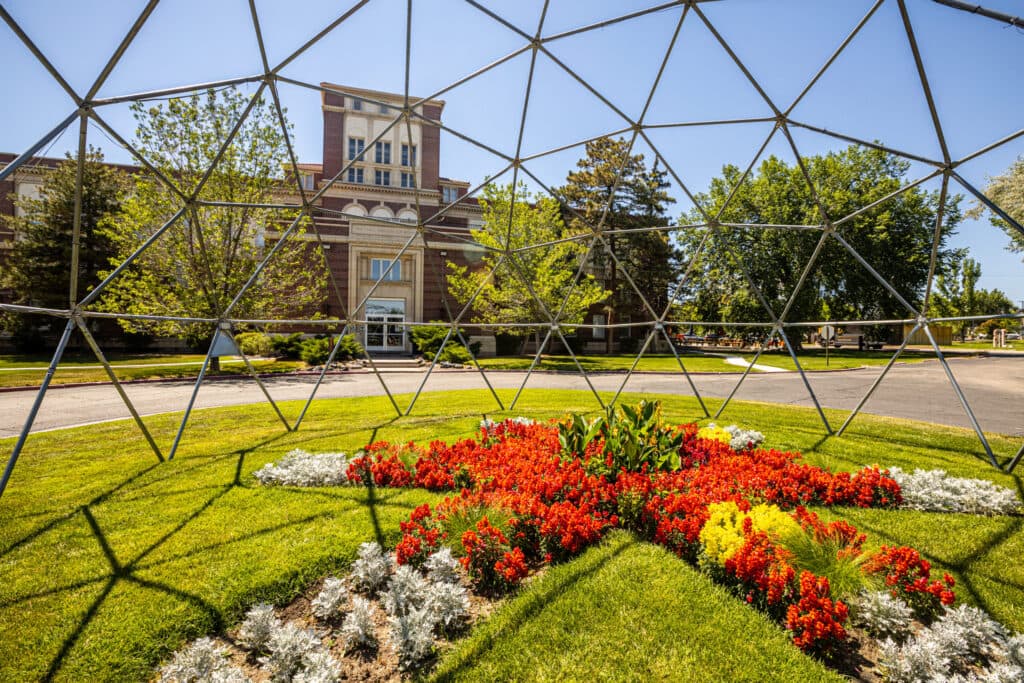
Use foreground elements creatively to add depth and context. Shooting through windows, fences or natural shapes (like trees or rocks) frames the action, increases dimensionality and immerses viewers within the scene.
Light and Color in Action Scenes
Light creates mood, depth and intensity in motion photography. Understanding how different lighting conditions affect speed, color and contrast helps photographers adapt quickly and maintain visual impact.
Using Backlight, Side Light and Rim Light for Drama
Explore different lighting to change a photo’s impact and focus:
- Backlight highlights motion with glowing edges.
- Side light enhances texture and muscle definition.
- Rim light separates subjects from backgrounds, adding dimension and dramatic emphasis to fast-moving forms.
Shooting Under Stadium Lights and Mixed Color Temperatures
Artificial lighting can introduce uneven brightness and mixed color casts. In these conditions, photographers must adjust white balance carefully. Shooting in RAW preserves skin accuracy and consistent color across frames by allowing tonal correction in editing.
Overcast, Golden Hour and Harsh Sun: Adapting Fast
Consider the natural light, and be ready to adapt as conditions change:
- Overcast skies provide soft, even illumination that’s ideal for balanced exposures.
- Golden hour adds warmth and depth.
- Harsh, midday sun requires strategic positioning to control shadows and highlights.
Techniques for Creative Motion Effects
Not every powerful action photograph freezes motion completely. Other wildlife, sports or dance photography tips to remember is that photographs can use intentional blur, controlled flash and camera movement to communicate speed and emotion in ways crisp frames sometimes can’t.
Panning for Speed: Settings and Smooth Follow-Through
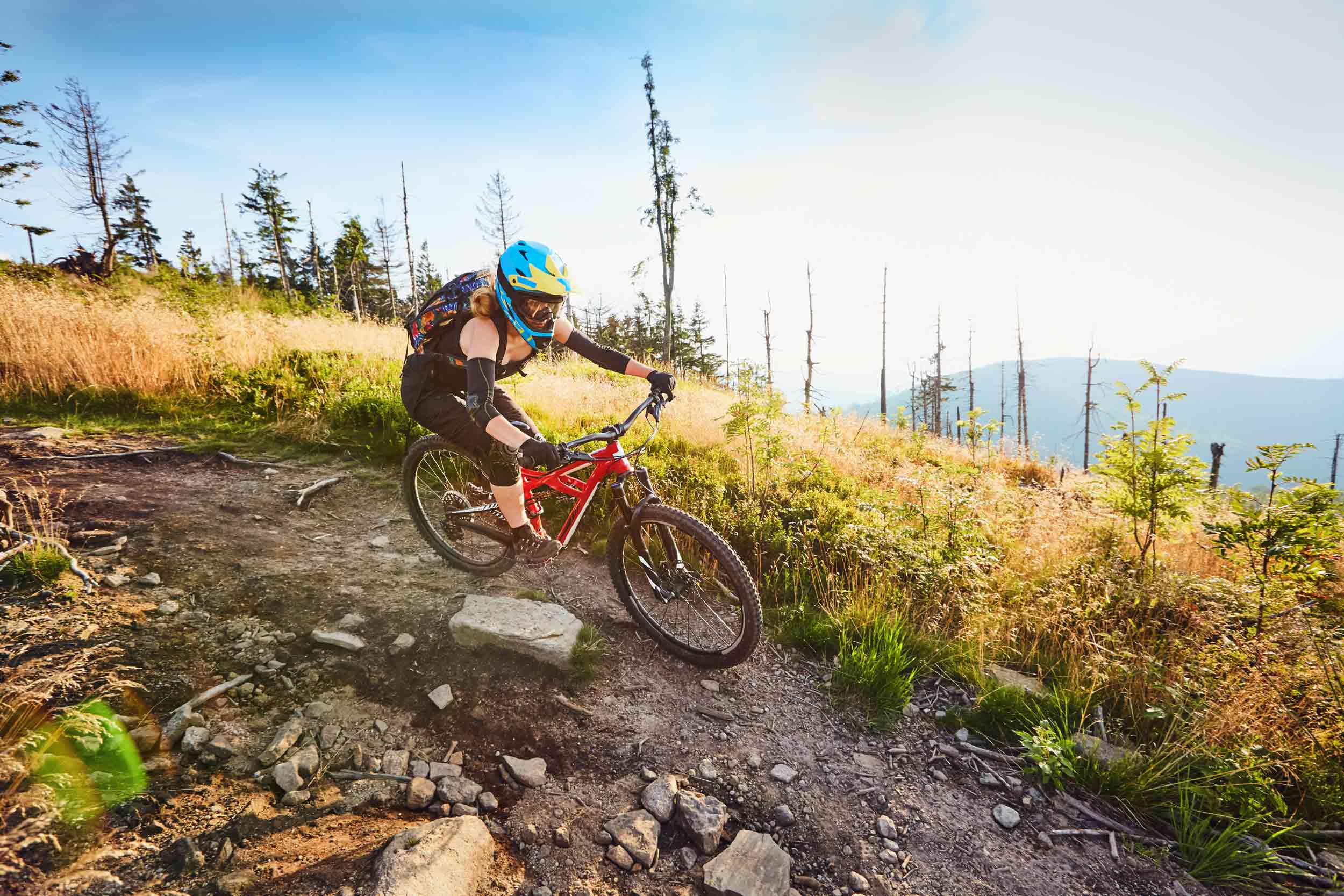
Use slower shutter speeds (around 1/30s to 1/125s) while smoothly tracking subjects through the frame. Maintaining steady follow-through will keep subjects relatively sharp against blurred backgrounds — capturing, in a sense, the subject’s in-motion perspective.
Motion Blur as Story: Slow Shutter With Intent
Deliberate blur can convey chaos, grace or velocity. Stabilize your camera and choose slower shutter speeds that partially blur limbs or surroundings while retaining a sharp anchor point for visual clarity.
Flash for Action: Rear Curtain Sync and Safe Use Considerations
Rear curtain sync fires the flash at the end of an exposure to create natural motion that trails behind the subject. Be sure to use flash responsibly, following venue rules and being careful not to distract athletes, performers or wildlife.
Subject-Specific Strategies
Photographers are most successful when they tailor their approach for different types of action, subjects and conditions. Familiarity with rhythms, environments and behavioral patterns dramatically improves anticipation and positioning as well as overall hit rate.
Sports: Reading Plays, Positioning and Peak Action
- Study the game to anticipate key moments before they unfold.
- Position yourself strategically.
- Watch player interactions.
- Time shots for peak extensions, impacts or emotional celebrations.
Wildlife: Behavior Cues, Ethical Distance and Fast Reaction
- Observe body language and habitat patterns to predict movement.
- Maintain ethical distance to avoid stress.
- Use long lenses.
- React quickly to fleeting gestures or sudden bursts of action.
Dance: Rhythm, Rehearsal Patterns and Clean Stage Backgrounds
- Learn choreography timing during rehearsals to anticipate jumps and lifts.
- Shoot with awareness of stage lighting and angles.
- Frame against uncluttered backgrounds for graceful, expressive compositions.
Planning, Scouting and Safety
No matter how clever your high-speed photography ideas are, it’s critical to put safety first with proper planning and location scouting. Preparation often determines whether a photographer captures or misses decisive moments. Evaluating locations, understanding regulations and prioritizing safety ensures photographers can focus fully on timing and creativity.
Location Scouting: Angles, Sun Path and Backgrounds
- Visit locations early to assess shooting angles and clean sightlines.
- Track the sun’s path for optimal light direction.
- Identify backgrounds that enhance subject separation and motion clarity.
Permissions, Event Rules and Venue Etiquette
- Confirm credential requirements and photography restrictions before arriving.
- Respect designated shooting zones.
- Avoid obstructing spectators.
- Follow venue guidelines to maintain professional relationships and uninterrupted access.
Staying Safe: Crowds, Wildlife Risk and Weather Preparedness
- Remain aware of shifting crowds and fast-moving participants.
- Maintain a safe distance from wildlife.
- Monitor changing weather conditions.
- Protect yourself and gear with appropriate clothing and protective accessories.
Editing Workflow for Action Photography
Post-processing refines and amplifies the energy captured in action shots. Efficient editing balances speed and precision, emphasizing peak moments while preserving sharpness, color accuracy and compositional integrity.
Culling Fast: Sharpness, Expression and Peak Moment
Quickly review images for technical sharpness, expressive gestures and decisive action. Prioritize frames that capture peak intensity, emotion and movement while discarding duplicates and poorly timed shots.
Noise Reduction, Sharpening and Color Correction
Apply targeted noise reduction to maintain clarity in high-ISO shots. Sharpen key areas subtly, and adjust color balance to match natural lighting or creative vision without introducing artifacts.
Cropping for Impact Without Losing Resolution
Tighten composition to emphasize movement or isolate subjects, while maintaining sufficient resolution for output. Thoughtful cropping enhances focus and energy while preserving critical details and overall image quality.
Case Studies: Global Perspectives
Action photography varies across cultures, environments and lighting conditions around the globe. Examining real-world action photography examples showcases how global photographers handle location, subject and light with different techniques, gear and creative approaches.
United States: Friday Night Sports and Pro Arenas Under LED Lighting
Fast-paced high school and professional games occur under bright, flickering LED lights. Balancing shutter speed, high ISO and color correction maintains sharpness and accurate skin tones.
Kenya: Safari Wildlife Action and Dusty Golden Light
Wildlife activity often occurs in the golden light of early morning or late afternoon with dust-filled air. Long lenses, fast autofocus and patience are necessary for taking crisp shots while preserving natural ambiance.
Japan: Urban Street Sports and Nighttime Mixed Lighting
Street basketball, parkour and cycling often take place in neon-lit urban areas. Photographers must manage mixed color temperatures, rapid movement and limited shooting angles to capture decisive moments.
Brazil: Carnival Dance and Fast Movement in Crowded Streets
Vibrant parades feature dancers, floats and confetti in motion-packed streets. Wide apertures, panning and creative framing help isolate subjects amid chaotic, colorful environments.
Australia: Surf Photography and Harsh Coastal Sun
Ocean waves and surfers demand long lenses and high-speed settings to freeze motion. Sun glare, reflections and saltwater spray require polarizers and careful exposure management.
Iceland: Action in Extreme Weather and Low Winter Light
Extreme cold/snow and short daylight hours challenge autofocus and battery life. Stabilized lenses, weather protection and careful light management help capture dynamic landscapes and wildlife.
India: Cricket and Festival Movement With Dense Visual Backgrounds
Cricket matches and festival processions occur in visually cluttered environments. Fast lenses, selective focus and compositional awareness are essential to isolating subjects and emphasizing their energy.
Practice and Perfect Your Action Photography Skills With RMCAD
The art of action photography blends timing, technique and creativity across sports, wildlife, dance and culture. Elevate your skills further by exploring the Bachelor of Fine Arts in Photography programs through Rocky Mountain College of Art + Design, online or on campus. If you’re ready to elevate your passion for capturing movement with professional expertise, request more information today.
FAQs: Perfecting Action Shots
Q1: What shutter speed should I use to freeze action?
It depends on the subject. Start around 1/1000s for many sports, 1/2000s for faster action and adjust based on motion direction and distance.
Q2: Why are my action photos blurry even at fast shutter speeds?
Blur can come from missed focus, subject-to-camera movement or camera shake. Use tracking autofocus, prioritize focus on eyes and stabilize your stance or support.
Q3: Should I shoot burst mode all the time?
Burst helps capture peak moments, but timing still matters. Use bursts in short, controlled sequences to avoid buffer issues and make editing easier.
Q4: What autofocus settings work best for moving subjects?
Continuous tracking modes with subject detection are strong for many situations. Back-button focus can help maintain control when subjects cross busy backgrounds.
Q5: How do I get sharp eyes with shallow depth of field?
Use a single focus point or eye tracking, keep your shutter speed high and shoot short bursts. If the hit rate is low, stop down slightly for more depth.
Q6: How can I show motion instead of freezing it?
Try panning at slower shutter speeds like 1/30s to 1/125s, depending on speed and distance, and keep the subject moving smoothly across the frame.
Q7: What is the biggest mistake beginners make in action photography?
Reacting instead of anticipating. Learn patterns, plays, animal behavior, and choreography, so you are already framed and focused before the peak moment happens.