
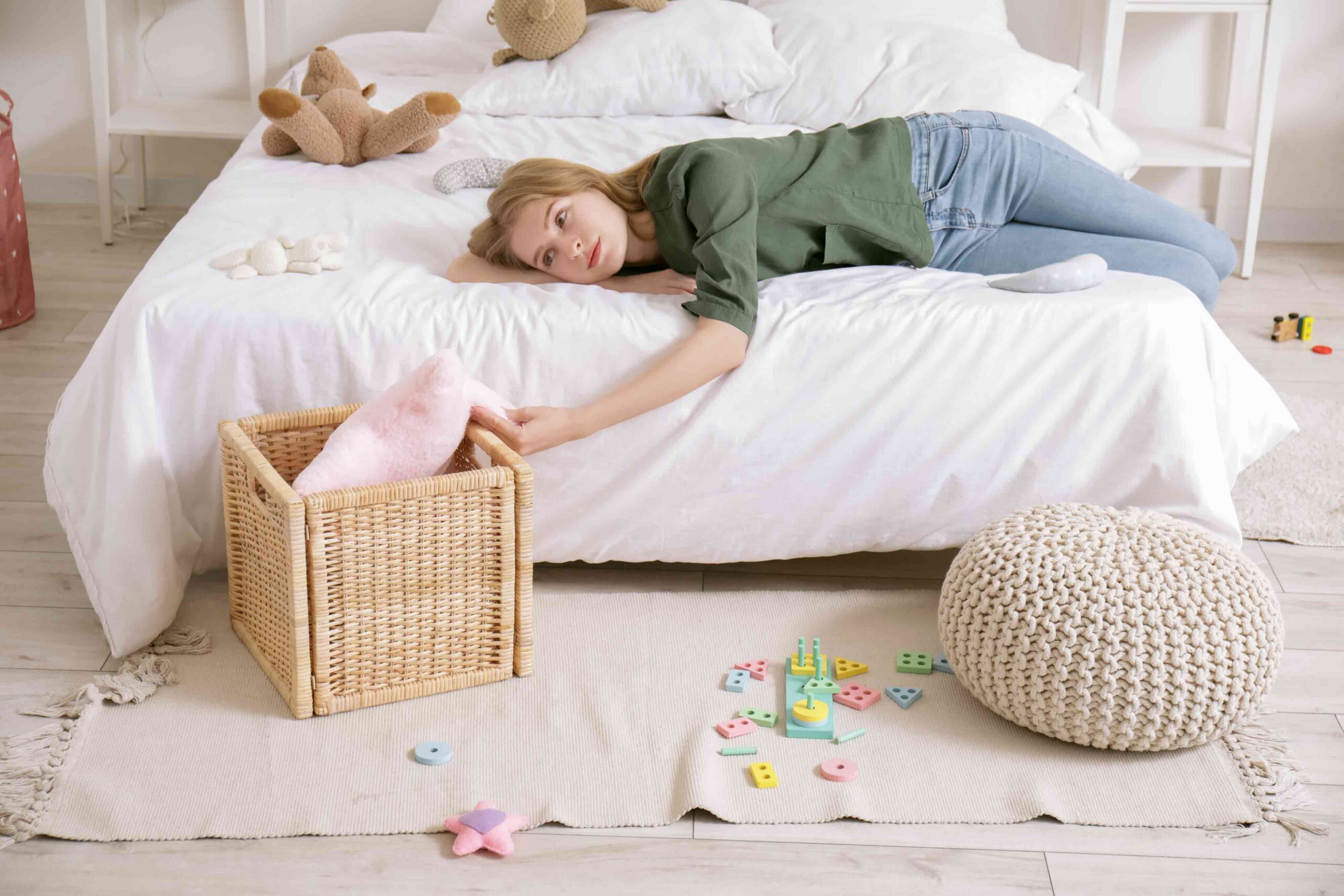
Clutter isn’t just a physical problem; it’s also a psychological one. The spaces we keep often mirror the state of our minds, and disorganization can fuel stress, distraction and fatigue. Home organization strategies designed to help people streamline their lives with organized interiors supported by functional and aesthetic design can be used to nurture calm, focus and emotional balance. As designers better understand the connection between mental well-being and our environments, spaces designed for organization better support order and inner peace.
Understanding Clutter Psychology
Designers who understand the connection between clutter and mental health also understand the importance of designing functional spaces that smartly and comfortably accommodate the stuff of everyday life.
How Clutter Impacts Cognition, Mood and Stress
Clutter has several impacts on and correlations with cognition, mood, stress and mental health, including:
- Clutter causes chaos, the brain not knowing how to prioritize attention among distractions, which makes it difficult to focus.
- This chaos also limits the brain’s ability to process information.
- The visual distractions caused by clutter overload the brain, reducing working memory.
- Clutter decreases productivity.
- Clutter increases irritability.
- Disorganization and clutter are correlated with mental health conditions, such as anxiety, depression and stress.
- Plus, clutter can increase feelings of hopelessness, shame and guilt.
- Studies have shown that clutter increases cortisol levels (a stress hormone).
Physical clutter not only fills our spaces but also our minds, leading to mental fatigue, stress, irritability and heightened anxiety.
Decision Fatigue, Attachment and the Zeigarnik Effect
Part of the reason why clutter feels overwhelming is that every item represents work that needs to be done and a choice that needs to be made — keep and relocate or discard and donate. All these decisions create a type of cognitive overload known as decision fatigue. Additionally, emotional attachment to items (whether due to sentimental or monetary value) further complicates each decision.
As every item represents an unfinished task or unresolved choice, these possessions trigger the Zeigarnik Effect, which is a tendency for the mind to become preoccupied with interrupted tasks or incomplete actions. The Zeigarnik Effect creates mental background noise that prevents true relaxation.
Cultural Norms, Family Systems and Consumption Patterns
Our relationships with clutter, organization and the ability to let go of things doesn’t develop in isolation. Family dynamics, social values, upbringing and culture all play a role. We learn habits and values from our parents and society. While some societies value minimalism, others see abundance and excess as signs of success. Some societies celebrate novelty, others value longevity.
Assessing Needs and Goals
Whether you are a professional organizer, interior designer or a person working on your own space, approaching any size of decluttering and organization project is most successful with a strategy that identifies needs and sets goals.
Room-by-Room Functional Audits and Pain Points
Begin by evaluating each room (and space in the room) for purpose, usage and problems. Identify where clutter collects, what hinders functionality and how design adjustments could address clutter while better supporting comfort and daily routines.
Behavioral Mapping: Traffic Flow and Habit Loops
Take time to observe how people move through and use a space and note where items naturally accumulate. Designers who recognize habitual patterns can align their home organization systems, home organization hacks and interior designs with behavior to reduce clutter before it accumulates. For example, an entrance where mail, shoes, coats and bags pile up will benefit from an entryway organization system.
Setting SMART Decluttering Goals and Success Metrics
SMART goals are specific, measurable, attainable, relevant and time-bound. Setting SMART goals with clients helps designers identify specifically what needs to be accomplished so they can better design a strategy for how to achieve it. Decluttering and organization progress can be tracked through increased visual order, improved function of a space, reduced stress and improved mood.
Space Planning and Zoning
Functional interior design ideas rely on a few basic principles for organization, such as achieving visual quiet, creating systems that are intuitive and convenient for use and space planning that supports a whole family.
Sightlines, Wayfinding and Visual Quiet
Minimalist design that achieves clear sightlines creates visual quiet that calms the mind and promotes greater concentration. It relies on a minimalist home organization strategy that relies on organized layouts, balanced proportions and a sense of calm throughout the space. Additionally, the space and organization strategy should be easy to navigate with a simple-to-use label system for wayfinding.
Activity Zones, Drop Zones and Command Centers
A well-organized space aligns with and supports a family’s needs and activities. It should include activity zones with a designated purpose (i.e., a playroom, office, study station and family spaces). Additionally, family homes must have a family command center, which is a space that functions as a drop zone (for mail, keys, wallets and backpacks) and a hub for communication, delegation and scheduling. Command centers are often worked into kitchen or mudroom design.
Storage Ratios, Reach Ranges and Accessibility
While a well-designed organization system needs to look nice, it also needs to function easily. Open and closed storage areas should be balanced in terms of frequency of use. Everyday items should be within easy reach. Seldom-used items can be stored deeper, higher or in less accessible locations.
Storage Systems and Furnishings
Without storage systems and furnishing, our homes would be filled with piles of stuff. Storage solutions range from built-in storage (think closets and cabinets) and mobile storage (dressers, carts and other furniture) to shelving systems, hidden solutions and dual-use furniture. Storage systems vary based on the room, the items and the space being organized, and they can help promote practical needs like closet organization and bathroom storage or kitchen counter clutter.
Built-Ins, Modular Units and Mobile Carts
These storage solutions provide flexible options that can be tailored to an individual space and lifestyle. While built-ins maximize space and efficiency, modular units are more easily adapted to changing needs. Mobile carts offer a good solution for dual-purpose spaces and high-traffic areas.
Hidden Storage, Multi-Use Furniture and Vertical Solutions
Multi-use furniture pieces with hidden storage compartments serve multiple functions, making the most of the space they take up. Additionally, vertical storage solutions maximize storage and minimize footprint.
Closet Systems, Drawer Dividers and Labeling Conventions
Achieve clear categorization and easy storage with structured closet systems and adjustable drawer dividers. Additionally, consistent labeling eases accessibility, defines item categories and creates logical places for every item in a home.
Materiality, Color and Sensory Calm
In addition to designing organizational systems, interior designers should consider how their decorating choices affect the sense of clutter and visual chaos within a space.
Low-Contrast Palettes and Reduced Visual Noise
Designing with a calming color palette with minimal contrasting colors reduces visual noise and creates visual harmony. Lean into muted tones and soft neutrals to minimize visual distractions.
Texture Hierarchies and Light Reflectance Strategies
Light reflectance value (or light reflective value (LRV)) is a scale ranging from 0% (pure black) to 100% (pure white) that measures how much light different colors reflect. Higher LRVs reflect more light, while lower LRVs reflect less light. Consider how much light should be in any given space and coordinate colors accordingly.
Acoustic Softening and Tactile Comfort Cues
Create acoustic comfort by incorporating textiles, upholstered surfaces and rugs to reduce echoes and absorb ambient noise. Incorporate soft materials that invite touch and create warmth.
Information, Paper and Digital Clutter
The practical aspects of our lives, computer files, receipts, mail, medical records, and tax documents, create an organizational challenge of their own. Having a home office setup that supports paper management will help.
Mail Triage, Filing Standards and Archival Rules
Establish a routine and station for daily mail sorting. Immediately throw out junk mail, follow standards for filing receipts and other important documents and maintain compliant archival rules — only keeping what is legally required or otherwise necessary.
Cable Management, Charging Docks and Device Zones
Have a designated tech zone and a system for concealing cords. Label all cords, power sources and charging docks.
Digital Hygiene: File Naming, Versions and Backups
Although it all exists within the slim frame of your computer, digital clutter causes stress, too. Implement a system and schedule to support digital declutter, such as automated back-ups, a file naming system and regular digital cleanups.
Routines, Habits and Maintenance
Knowing how to reduce clutter at home isn’t enough. You actually have to take action to reduce and prevent clutter at home through healthy habit formation and practicing mindful consumption.
5-Minute Resets, Weekly Resets and Monthly Purges
Short, consistent cleaning rituals help form habits. Spending five minutes each day, implementing a weekly reset routine and focusing on more extensive monthly purges help combat clutter before it accumulates, keeping spaces functional.
In-Out Rules, One-Touch Handling and Micro Habits
Practicing small daily tidying will help you build larger habits of tidiness. Adopt a system of rules, such as “one-in, one-out,” meaning you get rid of something anytime you buy something new so there’s always storage space. Also, practicing only touching an item once while taking it out and putting it away will sustain organization.
Shared Household Agreements and Accountability
Unless you live alone, you have to collaborate with your housemates or family to create systems with clear roles and expectations for organization and cleanliness.
Special Contexts and Constraints
Every person, family and household is different and has different organizational needs and constraints.
Small Homes, Studio Apartments and Shared Rooms
In small or shared spaces, maximizing every square inch is vital. Focus on small space storage like vertical storage ideas and multi-functional furniture. Designate functional zones and create visual boundaries.
Neurodiversity-Informed Organizing and Cue-Based Systems
Reducing clutter, visual chaos and cognitive overwhelm can help support neurodiverse individuals. To design for sensory needs, use clear labels, visual cues and predictable layouts.
Kids’ Spaces, Pet Zones and Hobby Corrals
Flexible, easy-to-reset organization systems support activities and high energy levels. Define zones for pets, play and creative projects to corral toys, supplies and clutter.
Sustainable Decluttering
While decluttering relies on the ability to let items go, it’s still good to be responsible in how we part with excess stuff.
Repair, Upcycle, Donate and Responsible Disposal
When possible, repair or repurpose damaged items. Instead of throwing things in the trash, donate functional items.
Buying Less, Better: Lifespan and Repairability
Instead of buying inexpensive, low-quality items, focus on investing in high-quality things with repairable components that will last a lifetime.
Transparent Bins, Inventory Tracking and Waste Reduction
Use transparent bins that allow you to see what you have and leverage digital home inventory tools to keep track of your belongings and prevent duplicate purchases.
Case Studies: Global Perspectives
Design for organization and decluttering has a positive impact on minds around the world.
Japan: Kanso-Inspired Minimality and Genkan Drop Zones
Kanso principles reduce visual clutter by ensuring every item in a home serves a practical purpose, while a genkan is a type of traditional Japanese entryway that acts as a designated transitional space.
Scandinavia: Hygge, Daylight and Uncluttered Materials
Hygge design principles prioritize warmth, clean-lined furnishings, minimal ornamentation, natural textures and natural light.
Brazil: Indoor-Outdoor Flow and Contained Color Bursts
Due to the pleasant climate, Brazilian design focuses on a natural flow between indoor and outdoor spaces. Designs focus on minimalist backdrops, punctuated by vibrant color bursts that create visual interest that’s free from mental clutter.
United States: Garage-to-Mudroom Conversions and Family Command Centers
In the U.S., homes that lack a mudroom benefit from the creation of a designated transition, drop-zone space inside the garage.
India: Custom Wardrobes and Entry Shoe Management in Compact Flats
In India, customized storage space is common, with many bedrooms featuring built-in wardrobes and entryways featuring flat-faced shoe storage cabinets.
Professional Practice and Ethics
In a professional organizing business, there are many considerations beyond design and decluttering strategies to maintain professionalism and operate ethically.
Scope of Work, Intake Forms and Boundaries
Clearly define your services, responsibilities and the client’s expectations. Document goals on intake forms and maintain professional boundaries for transparent, respectful transactions.
Trauma-Informed Approaches and Privacy
Recognize the emotional sensitivities tied to personal possessions. This may be especially true in cases where hoarding is present. Be mindful, practice empathy, respect confidentiality and work to operate within a safe, judgment-free system to support the client’s needs and psychological well-being.
Vendor Networks, Quotes and Project Closeout
Organizing requires organizational supplies, furniture and systems. Work with reputable vendors, get accurate quotes and document your steps for project completion. Design a systematic project closeout process to ensure client satisfaction, accountability and ethical handling of items.
Interior Design Organization: Cultivating Calm Through Functionally Beautiful Spaces
By understanding the mental health benefits of decluttering, designers can inspire their clients to organize their homes with smart decluttering tips. Rocky Mountain College of Art + Design students have the option of learning about interior-design-informed home organization strategies and solutions through our online and on-campus interior design degree programs. Studying in the format that best fits into your lifestyle, you can earn a Bachelor of Fine Arts in Interior Design and work to create calm, cognitive-friendly spaces.
To learn more about studying interior design at RMCAD, we welcome you to request more information today.
FAQs: Psychology of Clutter
Q1: Why does clutter feel so stressful?
Visual excess competes for attention, increasing cognitive load and cortisol. Clear zones and limited palettes reduce stimuli so the brain can focus.
Q2: Where should I start if everything feels overwhelming?
Begin with small, high-impact zones (entry, desk, nightstand). Set a 20 to 30-minute timer, define keep/toss/donate categories and complete one cycle.
Q3: How do I keep shared spaces organized?
Create labeled homes for essentials, set “reset” routines and use neutral storage visible to all. Agree on simple rules like one-in/one-out.
Q4: What colors help a room feel calmer?
Low-contrast schemes with restrained accents. Prioritize matte finishes, soft textures and consistent undertones to minimize visual noise.
Q5: How can I manage kids’ clutter without stifling creativity?
Use broad categories (build, art, pretend), open bins at child height and rotate toys seasonally. Display a few favorites and store the rest
Q6: Any tips for small apartments?
Go vertical with wall systems, fold-down desks and tall wardrobes. Choose dual-purpose pieces and keep the floor area as open as possible.
Q7: What is “digital clutter,” and does it matter?
Chaotic files, tabs and notifications drain attention. Standardize names, archive weekly and batch notifications to protect focus.