As the upper wall in a room, the ceiling can easily be overlooked as a utilitarian feature. Its primary purpose is to hide the structural components of the building, yet ceiling design can have a surprisingly significant impact on the mood, tone and style of a given space. Through creative and strategic ceiling design ideas, interior designers can cultivate a distinct atmosphere.
Rethinking the Fifth Wall
Rather than being viewed as an afterthought in the interior design scheme, designers can prioritize ceilings as a primary element.
Why Ceilings Matter for Mood and Scale
Ceilings hold the potential to considerably influence the mood of a space. According to research published in the Journal of Environmental Psychology, rooms with higher ceilings may feel more open and provide occupants with a sense of freedom, while those with lower ceilings may offer a greater sense of security and comfort.
Historic Precedent: From Frescoes to Coffered Classics
While sometimes glossed over today, ceilings have taken center stage throughout history. In ancient civilizations, frescoes were used on ceilings to make art a permanent part of the building’s design. Additionally, coffered ceilings were often incorporated to add breadth and depth to the room.
Contemporary Minimalism, Maximalism and Everything Between
Today’s ceiling designs vary widely based on the structure itself and the design preferences of the individual builder or client. From color on the ceiling to exposed structure ceiling design, there is no right or wrong way to utilize ceiling space.
Proportion, Height and Perceived Space
The size of the room and ceiling height help determine the ceiling plan. When developing their design strategy, interior designers should evaluate the proportions of the room and consider how occupants might perceive the space.
Low Ceilings: Visual Lift, Vertical Lines and Light Fields
Low ceilings may make those in the room feel a bit trapped — but they also can create a cozy and inviting atmosphere. Designers can accommodate low ceilings and make them look higher by:
- Using vertical lines on the walls to add length.
- Prioritizing symmetrical design for a visual lift.
- Taking advantage of lighting to make the room feel open and airy.
High Ceilings: Bringing Scale Down With Forms and Layers
Rooms with high ceilings often feel open, giving occupants a sense of freedom and relaxation. However, they also may create an ambiance that feels distant and cold. Through forms and layers, designers can bring down the scale of the room to curate an atmosphere that’s just right.
Zoning With Ceiling Moves: Frames, Drops and Clouds
Ceiling frames, drops and clouds add structure to the space, enabling interior designers to create a zone that best aligns with the aesthetic goals of the room.
Form, Structure and Volume
Whether a designer is considering commercial or residential ceiling ideas, they must first take the ceiling style into account.
Coffers, Beams and Grids as Design Language
Coffered ceiling designs use patterns of recesses to create a structure for the ceiling. Interior designers should leverage coffered ceiling details when developing a design plan for the room.
Curved, Vaulted and Tent-Like Ceilings for Softness
Curved and vaulted ceilings create a romantic and elegant atmosphere, often lending themselves to a soft and subtle interior design strategy where the ceiling can shine.
Floating Planes, Clouds and Rafts Above Activity Zones
In an effort to make high-activity zones more welcoming and comfortable, floating planes and ceiling clouds can help absorb sound while simultaneously enhancing the aesthetics of the space.
Color, Material and Texture
Color, material, and texture for ceilings can help create the intended aesthetic look and define the atmosphere of the room.
Painted Ceilings: Bold Color, Dark Envelopes and Neutrals
Color on the ceiling is an intentional strategy that can influence the perceived height of the room. According to research in the Human Factors journal, bright and bold ceiling colors can add height, while a dark painted ceiling may make a room feel more enclosed.
Wood, Slats and Warm Natural Surfaces
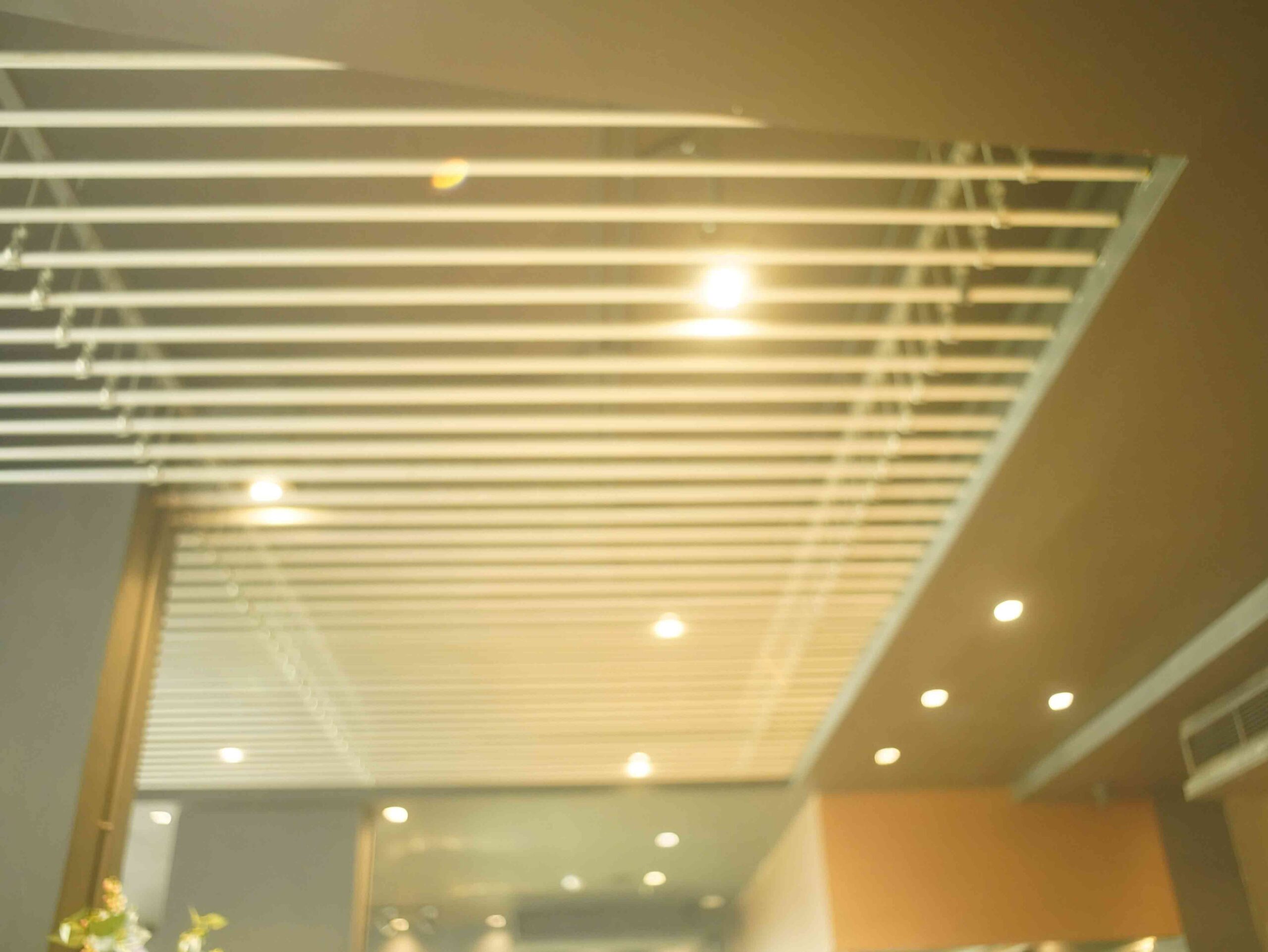
When it comes to false ceiling design ideas, wood slat ceiling designs add warmth to the room, enhance the acoustics and create visual interest.
Metal, Plaster and Specialty Finishes for Drama
As noted in Architect Magazine, metal and plaster ceilings have been used for centuries for both design and safety purposes. Today, metal ceiling panels and plaster ceiling finishes can help accentuate a room’s design and add a touch of glamor.
Integrated Lighting and Visual Hierarchy
Lighting is a key element in both contemporary and modern ceiling designs, creating visual hierarchy and setting the tone of the room.
Layered Lighting: Ambient, Accent and Decorative on the Ceiling
Interior designers use layered lighting strategies that incorporate multiple light sources in a room, adding flexibility and versatility. Layered lighting entails a three-tiered approach involving ambient, task and architectural lighting.
Lines of Light, Coves and Backlit Planes
Cove lighting design is a strategic approach becoming more common in both residential and commercial spaces. According to the Ain Shams Engineering Journal, cove lighting is a form of indirect lighting. Interior designers looking to leverage this design approach often rely on a recessed lighting layout to achieve the desired effect.
Feature Fixtures, Canopies and Choreographed Glare Control
In rooms that have an abundance of natural lighting, ceiling canopies are sometimes used for glare control. They can also add a whimsical or romantic touch to the room design.
Acoustics, Comfort and Performance
While interior designers may primarily focus on the aesthetic impact of ceiling design, they also must consider the acoustics of the room.
Acoustic Panels, Baffles and Felt for Noise Control
Acoustic ceiling panels can be strategically placed in a room to absorb sound as well as make the room more comfortable and functional. Interior designers may work to incorporate them into a design plan in a way that improves the acoustics while simultaneously adding a decorative element.
Balancing Hard and Soft Surfaces for Clarity and Warmth
Surface materials can determine a room’s overall acoustics — requiring designers to balance both hard and soft surfaces to provide clear and comfortable acoustics while adding warmth to the space.
Hospitality, Workplace and Classroom Acoustic Priorities
There are certain spaces in which the acoustics matter more than others. When working in commercial structures (such as restaurants, offices, or schools), interior designers should prioritize acoustics to create a space that is functional and enjoyable.
Systems, Access and Practical Constraints
Although interior designers tend to focus on ceiling design for aesthetic appeal and acoustic control, they also have to bear in mind the practical constraints of the structure.
Coordinating Sprinklers, HVAC and Sensors With Design
Ceilings often hide structural elements of the building, which may include sprinklers, HVAC systems, and critical sensors. Designers must account for these constraints and develop a design strategy that does not interfere with their functionality.
Access Panels, Maintenance Paths and Future Flexibility
Access panels and maintenance paths must be available, but interior designers can employ distinct strategies to blend these utilitarian components with their design. The future flexibility of the room should remain at the forefront during the design process.
Working With Suspended, Exposed and Hybrid Systems
When working with exposed ceilings, such as those in basements or on verandahs, designers may need to consider other factors, including hiding electrical components and accounting for possible exposure to the elements. They can turn to creative basement and verandah ceiling ideas to add beauty and warmth to a space that may otherwise feel austere.
Typologies and Mood Setting
The type of space in which a designer is working will determine the ceiling design plan used.
Residential: Cozy Nooks, Feature Rooms and Everyday Calm
Residential rooms are intended for everyday use, requiring designers to use strategic ceiling design approaches that curate a sense of calm and comfort. Neutral colors, coffered designs, and recessed lighting are common.
Hospitality: Signature Lobbies, Bars and Dining Rooms
When working with hotels and restaurants, interior designers are responsible for designing lobbies, bars, and dining rooms that align with the standards and expectations of each client. Metal ceiling panels, coffered ceiling designs, and bold ceiling colors may be used.
Workplace and Education: Focus, Wayfinding and Brand Expression
In commercial spaces like offices and school buildings, designers must prioritize brand expression alongside functionality. Acoustic ceiling panels are often necessary.
Retail and Galleries: Product Focus, Neutral Fields and Hero Zones
The needs of retail shops and art galleries are distinct yet complementary. They call for designers to use ceiling lighting in a manner that draws the eye to certain products or art pieces — supporting an atmosphere where consumers feel compelled to engage with featured items or make a purchase.
Sustainability and Material Health
Sustainability has gradually moved to the forefront of interior design. Many designers are working to choose sustainable ceiling materials that promote environmental responsibility and protect the health of people who will be using the space.
Low-VOC (Volatile Organic Compound) Coatings, Certified Wood and Recycled Content
By choosing low-VOC paint and other non-toxic materials, interior designers can elevate the appearance of the room while remaining in alignment with the client’s sustainability goals.
Daylighting Strategies: Reflectance, Light Shelves and Skylights
Light shelves and skylights can be strategically placed to increase natural daylight in a room. This adds warmth and enhances the atmosphere without requiring additional materials or artificial lighting.
Demountable Systems and Circular Design Thinking
Circular design thinking can be applied to ceiling design to eliminate waste throughout the design process. According to research in the International Journal of Design Management and Professional Practice, circular design builds upon traditional design thinking to reduce environmental impact. This can entail incorporating reusable and versatile structures (e.g., walls or partitions) that can be adapted and reconfigured for shifting needs within a space.
Case Studies & Global Perspectives
Explore a few quick examples of ceiling design trends taking shape around the world:
Japan: Wood Slat Ceilings for Calm, Diffuse Light in Compact Spaces
In Japan, wood slat ceiling designs create a sense of calm in small interior rooms. This design style also showcases the craftsmanship for which the country is known. According to the Wood and Fiber Science Journal, more than 75% of new construction homes in Japan utilize the traditional post and beam structure.
Mexico: Colored Plaster and Patterned Ceilings in Courtyard Homes
Chukum is a traditional plaster technique that has been used in Mexico for centuries and still maintains relevance in current interior design strategies. It creates natural earthy colors that add a sense of rustic beauty to homes in local communities.
United Arab Emirates: Sculptural Ceilings in Hotels and Malls
Emphasizing grandeur and elegance, sculptural ceilings are found in public spaces throughout the United Arab Emirates. For instance, the World Architecture Community mentions a dining locale called Mausam that created an impressive sculptural ceiling inspired by the Mughal arches of India.
Australia: Outdoor–Indoor Ceilings Linking Verandas and Living Spaces
An Australian government guide to creating sustainable homes, passive cooling plays an integral part in reducing the environmental impact of keeping a home cool and comfortable in warm climates. Interior designers in Australia frequently use outdoor-indoor ceilings to link living spaces and extend the home environment into the outdoors. These ceiling design ideas support passive cooling strategies as well.
Process, Detailing and Collaboration
Effective ceiling design calls for a collaborative approach in which designers partner with their client and suppliers to develop a strategic process.
Concept Sketches, Reflected Ceiling Plans and Mockups
A reflected ceiling plan (RCP) is an architectural graphic that is commonly used for ceiling mockups. The RCP provides a view of the ceiling looking down, as if it were being reflected at the viewer. It gives an overview of the full scope of the ceiling design.
Working With Engineers, Contractors and Lighting Designers
Due to the structural nature of the ceiling, designers often work closely with building engineers, contractors and lighting designers when developing and implementing a ceiling design.
Client Communication: Explaining the Value of the Fifth Wall
Of course, open communication must be maintained with the client throughout the entire process. Clients need to understand the important role of the fifth wall in terms of design impact and functionality.
Classroom and Studio Exercises
Through hands-on instruction and studio-based experiences, interior design students can begin to perfect their own approach to ceiling design.
Reflected Ceiling Redesign for a Standard Room Plan
One hands-on project students can complete is a reflected ceiling redesign. They may be presented with a standard room plan and tasked with creating a creative and strategic reflected ceiling plan.
One Space, Three Ceiling Concepts for Different Moods
In such an assignment, students may be given one interior space to work with. They are then responsible for creating three distinct ceiling concepts that will determine the mood and ambiance of the room.
Detail Study: From Section Cut to On-Site Coordination
For this exercise, students would create a section cut drawing to show how the ceiling height impacts the other design layers.
Discover More Creative Ceiling Ideas at Rocky Mountain College of Art + Design
Ceiling design ideas are key to interior design strategy. At Rocky Mountain College of Art + Design, both the online Bachelor of Fine Arts in Interior Design and on-campus Bachelor of Fine Arts in Interior Design degree programs cover the essential elements of interior design. The curriculum is designed to introduce students to all interior design disciplines, including architecture, environmental design, graphic design, and industrial design — giving graduates the ability to pursue a tailored career path in the field.
Request more information about our fine arts degree programs today.
FAQs: Reimagining Ceiling Design
Q1: Why focus so much on the ceiling instead of walls or furniture?
The ceiling is a continuous surface that shapes light, acoustics and perceived height. A thoughtful ceiling can unify a space and deliver a huge impact with one move.
Q2: Are dark ceilings a bad idea in small rooms?
Not always. Dark ceilings can create a cozy, cocooning feel. Pair them with good lighting, lighter walls and controlled clutter to avoid a heavy or cramped effect.
Q3: How do I hide mechanical systems without losing height?
Use selective drops, floating rafts or soffits that only conceal what is needed. Keep some areas higher and celebrate exposed structure where it fits the concept.
Q4: What ceiling materials help with noise control?
Materials such as acoustic tiles, felt baffles, perforated gypsum with backing and wood or metal panels with acoustic cores all support sound absorption while adding visual interest.
Q5: How can ceiling design support branding?
Repeating patterns, signature colors, lighting rhythms and sculptural elements can become recognizable brand cues across multiple locations and touchpoints.
Q6: Are feature ceilings expensive to build?
Feature ceilings can be costly — but smart strategies, paint-only graphics, simple slats or selective treatments over key zones can dramatically shift perception without a full rebuild.
Q7: How do I show ceiling ideas clearly to clients?
When sharing your ideas with clients, use 3D views, reflected ceiling plans and quick light studies. Simple diagrams that show zones, levels and lighting types help non-designers understand decisions.