
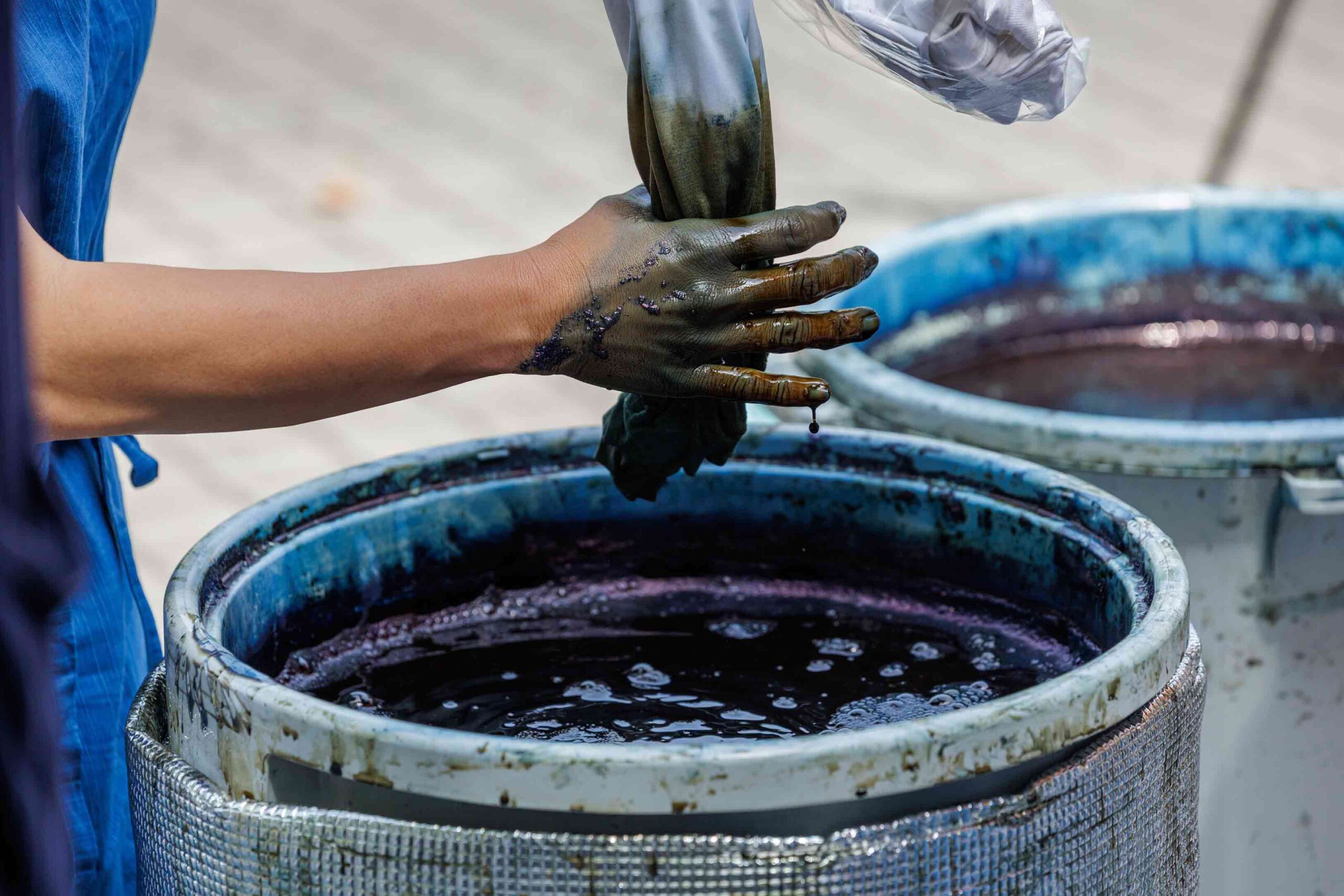
In a circular fashion popularity in the fashion design industry, a greater emphasis is placed on sustainability at all levels of the production process and supply chain. For decades, the process of textile dyeing that fueled the fast fashion industry has polluted the environment while consuming excessive amounts of water. Today, however, modern fashion designers are working to leverage the power of sustainable textile innovations in order to implement eco-friendly dyeing techniques.
Framing Sustainable Dyeing
In the years to come, energy-efficient dyeing is expected to play a critical role in the fashion design industry, as many designers and manufacturers alike work to achieve their sustainability goals.
Environmental Impacts of Conventional Dyehouses
According to Chemical & Engineering News, traditional fabric dyes rely heavily on fossil fuels, and the industrial dyeing process uses trillions of gallons of water each year. In fact, these conventional dyehouses account for more than 20% of industrial water pollution worldwide.
Key Metrics: Water, Energy, Chemicals and Effluent
As fashion industry experts begin to implement and utilize sustainable dyeing techniques, they are monitoring these key metrics:
- Water usage
- Energy output
- Chemical byproducts
- Effluent levels (controlled concentrations of wastewater pollutants)
Standards and Roadmaps: ZDHC, bluesign and OEKO-TEX
While the process of improving dyeing in the fashion industry is still evolving, several notable initiatives are paving the path forward. Namely, Zero Discharge of Hazardous Chemicals (ZDHC), bluesign and OEKO-TEX are all striving to eliminate toxic chemicals from fabric dyes. The OEKO-TEX Standard 100 is regarded as the leading credential in sustainable dyeing.
Fiber–Dye Compatibility, Prep and Fixation
To eliminate toxins from the dyeing process and produce high-quality, vibrant textiles, industry leaders must explore fiber-dye compatibility.
Cellulosics, Protein Fibers and Synthetics: What Sticks Where
There are different dye classes that bond with specific types of fiber, requiring dyehouses to research the materials of eco-friendly dyes so that they know which dyes will bond during the pigment printing process.
Pretreatments: Enzymes, Cationization and Scouring for Lower Impact
A specially formulated enzyme pretreatment is key to reducing the impact of textile processing. According to research published in the Molecules peer-reviewed journal, a combination of enzyme pretreatment, cationization and scouring can improve reactive dyeing.
Fixation Pathways: Exhaust, Pad-Batch, Steam and UV/Chem-Free Options
Conventional fixation pathways have traditionally used an excessive amount of water and energy. As noted in Sustainable Materials and Technologies, advances in process engineering and the use of chemical-free dyes are leading to more sustainable textile manufacturing processes.
Low-Impact Aqueous Systems
Aqueous systems are water-based systems designed intentionally to reduce environmental harm and improve the use of water resources. Low-impact aqueous systems are essential to creating and implementing sustainable dyeing processes.
Cold Pad-Batch Reactive for Cotton With Minimal Water
Cold pad-batch (CPB) dyeing is an alternative reactive dyeing method that can support the production of eco-friendly cotton fabrics. According to the European Cluster Collaboration Platform, cold pad-batch dyeing eliminates the need for heat, salt or humectants during the dyeing process, boosting energy efficiency and resource use.
High-Exhaust Acid and Metal-Free Systems for Wool and Silk
High-exhaust acid and metal-free systems are ideal for delicate fabrics, such as wool and silk, because they rely on low-impact acid dyes that bond well to these fabrics.
Disperse Reformulations for Recycled Polyester With Lower Temps
Advanced reformulation strategies in the textile industry can create recycled polyester textiles using lower temperatures, improving the efficiency of the textile production process.
Waterless and Near-Waterless Innovations
Recent research shows that, by minimizing consumption during the textile dyeing process, the fashion industry can in turn reduce its water usage by up to 90%. Key innovations — such as digital textile printing and other sustainable dyeing processes — are starting to make headway.
Supercritical CO₂ Dyeing for Polyester and Blends
Supercritical CO2 dyeing is an advanced dyeing technique that is used for both natural and synthetic fabrics, including polyester and other fabric blends. Per an article in Scientific Reports, this is an effective solution that yields high-quality results.
Foam and Spray Dyeing: Indigo Foam and Roll-to-Roll Methods
Foam and spray dyeing are considered among the most viable alternatives to traditional dye methods. Indigo foam and roll-to-roll methods are fueling innovations in denim sustainability.
Dope-Dyeing (Solution Dye) at the Polymer Stage
Conventional yarn dyeing is considered to be one of the most polluting dyeing processes in the textile industry, and dope dyeing is the leading alternative. During the dope dying process, color is added to the fabric at the polymer stage, leading to the production of high-quality dope dyed polyester and other fibers.
Bio-Based and Circular Color
Circular and bio-based dyes are playing a pivotal part in the textile industry’s efforts to reduce waste and conserve resources during the production process.
Plant-Derived Pigments and Modern Mordant Alternatives
Bio-based dyes rely on natural, plant-derived pigments and modern mordant alternatives to reduce the chemicals used in dyes as well as pollution in the local water system.
Microbial/Biofermented Dyes (e.g., Bacterial and Algal Color)
Microbial dyes rely on natural pigments from bacteria, algae or fungus, and they offer vibrant plant-based color for fabrics.
Waste-to-Color Streams: Agri Byproducts, Food Peels and Sludge Pigments
Waste-to-color streams promote circular fashion by utilizing an advanced oxidation process and leveraging the power of natural waste to create eco-friendly, plant-based color for textiles.
Digital and Precision Application
Digital textile printing and other key precision applications not only support sustainability efforts; they also improve quality control.
Pigment and Reactive Digital Printing to Cut Water and Inventory
Pigment printing is a form of digital printing that reduces the amount of water used in the printing process and elevates overall precision. Pigment inks are scratch- and water-resistant, making them an excellent, durable alternative.
Color Management: ICC, Spectrophotometry and Delta E Targets
While many textile industry innovators are looking to improve sustainability in the dyeing process, they also want to maintain high-quality, long-lasting and vibrant coloring on fabrics. Spectrophotometer Delta E is an equation that is often used to test color accuracy and to identify the differences between two colors.
On-Demand, Localized Production and SKU Reduction
On-demand, localized production and SKU reduction are two strategies used in textile design and production to minimize waste and ensure that textiles are only produced when consumers demand them. These strategies are often used to create a traceable supply chain, and according to Supply & Demand Chain Executive, on-demand manufacturing helps enhance supply chain efficiency.
Process Aids and Enabling Tech
Process aids are the chemicals and solutions used to improve the quality and appearance of fabric in the design process. Researchers and developers are working to improve process aids to lessen pollution along with the number of chemicals used in the textile dyeing process.
Ultrasound, Plasma and Ozone for Lower-Temp Uptake
Ultrasound, plasma and ozone are three key non-thermal technologies often utilized in the textile manufacturing process to create vibrant, colorful fabrics at a lower temperature. These technologies are often applied during the pre-treatment process.
Enzyme Cascades for Scour/Bleach/Dye Integration
Enzyme cascades enable a single-bath process for scouring, bleaching and dyeing that is more sustainable, provided the conditions are compatible. According to the Textile Research Journal, it is a process that is particularly effective for cotton fabrics.
Electrochemical and UV-Cured Binders for Pigment Systems
According to a study from the Dyes and Pigments journal, electrochemical and UV-cured binders can be used in pigment systems to reduce energy usage and improve sustainability efforts during the dyeing process.
Effluent, Recovery and Compliance
Effluent refers to the liquid waste that leaves an industrial facility, such as a textile manufacturer, and enters the environment. High effluent rates have long plagued the textile industry, calling for modern leaders to develop innovative solutions that moderate pollution in the local environment.
Closed-Loop Rinses, Counter-Current Wash and Heat Recovery
In circular fashion, closed-loop rinses, counter-current wash and heat recovery are integral to reducing effluent and energy consumption.
ETP Design: Biological, Membrane and Advanced Oxidation
According to the Nanotechnology academic journal, effluent treatment plant design in the textile industry should integrate a biological, membrane and advanced oxidation process in order to clean wastewater from the facility and ensure it can be reused effectively.
MRSL/PRSL Conformance, Sludge Handling and Reporting
Compliance with all government regulations is essential, and textile manufacturers are required to complete reporting to verify that they have the appropriate chemical management processes in place.
Quality, Fastness and Handfeel
While sustainable textile innovations and LCA apparel are being prioritized across the industry, textile manufacturers and fashion designers still want to produce high-quality, long-lasting fabrics.
Wash, Rub (Crock) and Light Fastness: Test Plans by End Use
These test plans are used on cationic cotton and other sustainable fabrics to help ensure that the fabric will endure typical wear and tear as well as normal wash cycles.
Handfeel, Breathability and Stretch Retention After Dye
The dyeing process can have a significant impact on how a fabric looks and feels. Thus, textile manufacturers must conduct testing during the fabric dyeing process so the end product meets the expectations of the consumer.
Wear Trials, Shade Reproducibility and Lot Control
Assuming a central role in quality assurance, wear trials, shade reproducibility and lot control allow textile manufacturers and dyehouses to confirm that eco-friendly dies still lead to comfortable, high-quality garments.
Costing, Scale-Up and Risk
While the environmental and social benefits of implementing sustainable dyeing techniques are obvious, manufacturers in the textile industry still have to verify that the costs and risks are worthwhile.
Capex vs. Opex: Retrofit Paths for Existing Lines
According to Investopedia, manufacturers can evaluate their capital expenditures and operating expenses in order to retrofit paths for their existing production lines. Capital expenditures refer to long-term costs, while operating expenses refer to the daily costs for operating a business.
Pilot-to-Production: Gate Reviews and KPI Dashboards
The pilot-to-production process enables manufacturers to monitor key performance indicators (KPIs) and metrics and ensure a seamless transition as they move toward using sustainable dyeing techniques within their facilities.
Supplier Scorecards, Traceability and Audits
Leveraging the power of structured data, manufacturers can track the performance of their innovative textile products while improving traceability within the supply chain.
Case Studies: Global Perspectives
Below are examples of applications of sustainable dyeing techniques around the world:
Japan: Indigo Foam Lines Reducing Water in Denim Mills
Foam-dyeing technology is being applied in denim mills around the world, including in Japan, to minimize water consumption during the dyeing process.
India: Natural-Dye Clusters Using Enzyme-Aided Mordant-Free Workflows
In India, natural-dye clusters have long been used to create vibrant, traditional clothing items and textiles. Some of the most stunning natural dyes in India include turmeric, indigo and saffron. Today, textile producers in India use biological agents with natural-dye clusters to reduce the use of toxic chemicals during the bonding process.
Italy: Luxury Mills Implementing Supercritical CO₂ for Polyesters
Italy has long been known for the production of luxury textiles. According to research published in the Journal of Fiber Bioengineering and Informatics, the most famous luxury textile mills are leveraging the power of supercritical CO2 dyeing to create smart polyester textiles.
Bangladesh: Cationic-Cotton Cold Pad-Batch in Large Knit Plants
The Robintex Group in Bangladesh began cold pad-batch dyeing in 2018. According to Textile Today, this sustainable approach has saved more than 213 million liters of water and achieved more than 13% carbon savings.
United States: Microbial Dye Startups With Local On-Demand Print
A number of bio-based pigment startups in the United States are leveraging the power of on-demand manufacturing to support sustainability in textile dyeing.
Portugal: Solar-Heated Dyehouses and Closed-Loop Rinsing
In Portugal, textile mills are relying on solar-heated dyehouses to reduce carbon emissions and closed-loop rinsing (and, thus, water consumption) during the dyeing process. According to the World Textile Information Network, these innovative, closed-loop systems are transforming wastewater management practices in the global textile industry.
Classroom and Studio Applications
Various sustainable dyeing applications can be relevant in classroom and studio environments to promote skill development and advanced understanding:
Mini Pad Batch Lab With Water and Chemical Logs
A small pad batch lab that allows students to complete water and chemical logs helps them become proficient in the cold pad batch dyeing process.
Bio-Color Pilot: Kitchen-Scale Ferments and Safety Protocols
This lab-based activity enables students to develop the hands-on skills required to create microbial dyes from bio-based ingredients.
Color LCA Exercise: Comparing Aqueous vs. Dope-Dyed Routes
In learning how to create LCA apparel, students can complete a life cycle assessment comparing the differences between aqueous and dope-dyed routes.
Explore the Latest Sustainable Textile Innovations at Rocky Mountain College of Art + Design
Circular fashion is poised to play a prominent role in the fashion design industry, particularly as consumers continue to prioritize sustainable clothing items. At Rocky Mountain College of Art + Design, both the on-campus Bachelor of Fine Arts in Fashion Design and online Bachelor of Fine Arts in Fashion Design degrees explore eco-friendly fashion design approaches, including sustainable dyeing techniques.
Request more information about our fine arts degree programs today.
FAQs: Sustainable Dyeing Techniques
Q1: Which sustainable dyeing method saves the most water?
Dope-dyeing and supercritical CO2 dyeing are near-waterless solutions but can only be used for applicable fibers. When dope-dying and supercritical CO2 dyeing are not an option, cold pad-batch dyeing drastically reduces water when dyeing cotton.
Q2: Are natural dyes always more sustainable?
Natural dyes are not inherently more sustainable, but they can be a sustainable alternative when yield, land use, mordants and fastness are taken into consideration. Enzyme aids, bio-based mordant alternatives and waste-stream pigments can improve the impact of natural dyes.
Q3: What fibers work with waterless CO₂ dyeing?
The best fibers for waterless CO2 dyeing are polyester and some synthetics. Cellulosics typically need different routes, such as cold pad-batch reactive or pigment systems.
Q4: How does digital printing reduce environmental impact?
Digital textile printing lessens environmental impact in a variety of ways. Precise placement lowers liquor use, while reactive or pigment inks paired with an efficient wash cycle reduces water and energy usage as well as chemical loads.
Q5: Is dope-dyed polyester better than piece-dyed?
For the most part, yes, dope-dyed polyester is better than piece-dyed, because it offers excellent colorfastness and minimal downstream water. The trade-offs, though, are less color flexibility and increased cross-season inventory risks.
Q6: How do brands verify “non-toxic” claims?
By conforming to ZDHC MRSL/WWG, bluesign criteria and OEKO-TEX testing, brands can prove to consumers that they have created non-toxic fabrics. Sustainable textile dyeing requires organizations to pursue certificates, conduct random audits and track chemical inventories.
Q7: Can microbial dyes scale to mass production?
Early pilots show promise, but success depends on fermentation yields, binder compatibility and consistent fastness. When it comes to microbial dyes, start with prints or capsules, and then scale up.