Art curation is the strategic process of collecting and presenting art, and it plays a prominent role in developing museum exhibition design and art gallery development. It blends artistic insight and creativity with an evidence-based approach, requiring art curators to have an extensive foundation in fine art and advanced business acumen.
Defining Curatorial Practice
At one time, curatorial practice focused primarily on collecting works of art to be displayed in art galleries and museums. Today, however, this practice extends beyond collections management, requiring art curators to create art and museum exhibitions that promote community engagement.
What Curators Do: Research, Selection and Interpretation
According to the American Alliance of Museums, some of the art and museum curator responsibilities include:
- Researching art and artifacts.
- Collections management.
- Developing and designing exhibits.
- Improving the visitor experience through community engagement.
Curatorial Voice vs. Institutional Mission
Through art and museum curatorship, individuals have an opportunity to promote the mission of their institution while blending their own voice and ideas into the exhibits that they are creating.
Exhibition Typologies: Collection, Thematic, Monographic and Site-Specific
By leveraging the power of different art exhibit design approaches, curators can highlight art and artifacts in new and exciting ways. Some common types of exhibition typologies include collections, thematic designs, monographic exhibits, site-specific exhibits, retrospective exhibitions and online exhibitions.
Curatorial Research and Concept Development
The curatorial process begins with extensive research, requiring art curators to explore a wide range of resources to identify opportunities to begin or expand a collection.
Framing Questions, Hypotheses and Learning Objectives
Before curators can dive into their research, they need to identify the scope of their work by framing questions and establishing learning objectives for the exhibit. This lets them know what they are looking for and why they are looking for it.
Building Checklists: Criteria, Balance and Representation
In many ways, museum curatorship is a science. Curators must use checklists to identify the criteria that they are looking for and to ensure that all exhibits reflect the learning objectives through beautiful art and artifacts.
Partnering With Artists, Communities and Scholars
While art curators have autonomy to create and develop exhibits that align with their own artistic vision, they are also responsible for collaborating with other artists, community leaders and scholars to create well-rounded and effective exhibits.
Narrative, Labeling and Interpretation
Navigation plays a critical role in exhibition design, requiring curators to use intentional design strategies that prompts visitors to explore the exhibit in a way that supports the narrative.
Writing Wall Texts: Tone, Length and Readability
Curators often use wayfinding signage and wall texts to help guests navigate the gallery and discover the art on their own terms. When writing wall texts, curators must provide just enough information to be insightful — without overwhelming the visitors with an influx of unnecessary information.
Object Labels, Extended Captions and Audio Guides
The best label design strategies for curators include:
- Use active language.
- Be as concise as possible.
- Use legible fonts.
- Prioritize equity and inclusion in your wording.
Extended captions can be provided through audio guides, allowing visitors to personalize their experience based on their own interests.
Multivocal Interpretation: Community Review and Co-Authorship
Adding new and eclectic voices to captions allows curators to create an inclusive experience that best represents the community at large. Community review and co-authorship opportunities provide opportunities for additional perspectives and insights.
Exhibition Design and Visitor Experience
Beyond collections management, art curators are responsible for creating exhibition designs that promote community engagement and enhance the visitor experience.
Spatial Choreography, Sightlines and Flow
Art curators should strive to maximize the available space by displaying art and artifacts at various heights. Strategic spatial choreography can improve sightlines for all visitors while streamlining the traffic flow within the exhibition space.
Lighting, Color and Material Systems for Display
Gallery lighting plays a vital role in the visitor experience, but per the Curatorial Research Centre, it’s one of the most overlooked aspects of curating. Lighting should be strategically used to direct the visitor’s attention and powerfully highlight the art.
Wayfinding, Crowd Management and Dwell Time
The average person spends less than 8 seconds with a piece of art, but it is the job of a curator to reel visitors in and think critically about the exhibit. Curators can enhance a visitor’s experience and increase their dwell time by employing strategic exhibition design to optimize traffic flow.
Collections, Loans and Rights
Collection management is a primary facet of art curation, requiring curators to understand the best strategies and techniques for building collections.
Loan Requests, Couriering and Condition Reports
Collaboration plays a crucial role in art curation. Curators are permitted to request art loans from other art galleries and museums to create temporary collections and exhibitions. When receiving or sharing art loans, curators are responsible for filling out a comprehensive condition report to detail the condition of the art at the time of the loan.
Intellectual Property, Reproductions and Image Rights
Of course, curators must be aware of the importance of preserving intellectual property. When displaying reproductions, curators must be transparent and ensure that they have the necessary image rights for those reproductions.
Insurance, Valuation and Risk Management
As curators expand their collections, they must ensure they have the right insurance for art to protect their assets and effectively manage the risks associated with collecting and displaying fine art.
Conservation and Technical Planning
While the visitor experience is paramount, curators must also engage in technical planning during the exhibition design process to protect and preserve the works on display.
Preventive Conservation: Climate, Light and Pests
Strategic measures must be taken to ensure that all works are stored in a climate-controlled environment, where heat and humidity will not affect the art. Additionally, works should be kept out of direct sunlight to prevent fading and cracking.
Mounts, Crates and Handling Protocols
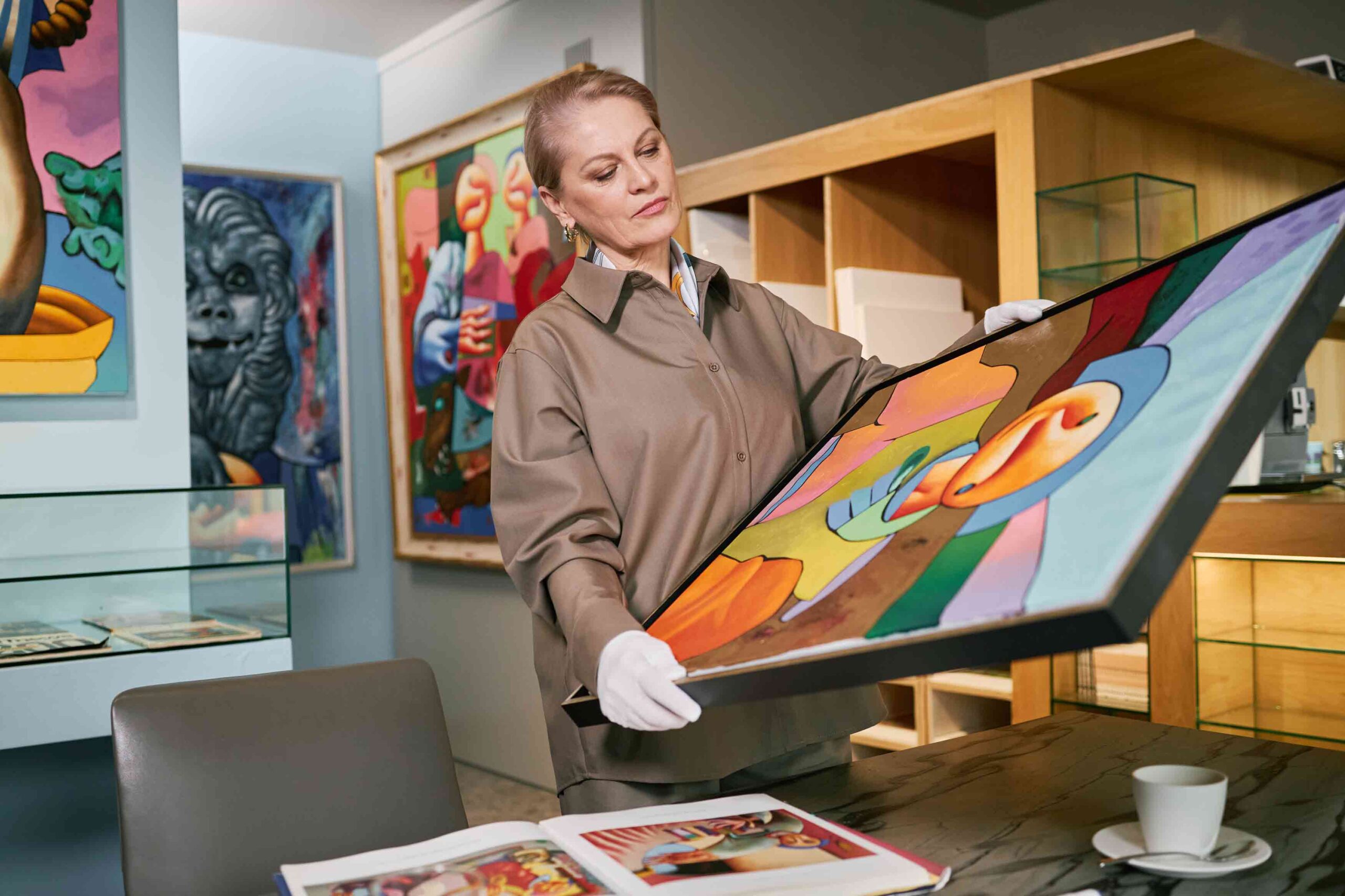
Mounts and crates can be used to protect art while displaying it in a way that promotes audience engagement. Curators should develop and implement handling protocols that all staff members must follow.
Installation Methods for Sculpture, Media and Works on Paper
Curators must partner with highly-skilled installers who specialize in art gallery design and museum exhibition design. This is the only way to ensure that the proper installation methods are used for all types of art.
Accessibility, Inclusion and Safety
Accessibility in museums and art galleries has never been more critical, requiring art curators to take intentional measures to ensure that everyone has an opportunity to fully enjoy the space.
Physical Access: Ramps, Seating and Tactile Paths
Universal design strategies should be employed to enhance physical accessibility and promote DEIA in museums. Ramps, flexible seating and tactile paths should be included to create a safe space that everyone can navigate.
Sensory Considerations: Sound, Flicker and Quiet Hours
An interactive art exhibition may include a variety of elements, some of which may be disruptive or distracting for those with sensory sensitivities. Quiet hours and sensory-friendly times can be established to accommodate all visitors.
Language Access, Alt-Text and Audio Description
To overcome language barriers, art curators can utilize audio guides in multiple languages. Language access is crucial for accessibility in museums and art galleries.
Digital, Interactive and Extended Formats
Modern art and museum studies encourage curators to look beyond traditional gallery design and consider digital formats for exhibits.
AR/VR Layers, Projection and Interactive Media
Advanced technology, including projection technology and time-based media, allows curators to create immersive experiences that give visitors the opportunity to experience art in new and exciting ways.
Digital Catalogs, Microsites and Open-Access Repositories
Open-access images can be used to create an accessible digital catalog, in which people can experience and enjoy art from the comfort of their own home.
Hybrid Programs and Livestreamed Openings
In recent years, hybrid programs have become increasingly common, enabling curators to expand access to art and provide a more convenient experience for all guests. Livestreamed openings, for example, allow people to experience the opening of a new exhibit virtually.
Education, Public Programs and Community Partnerships
To promote audience development and ensure that everyone has access to incredible works of art, curators often collaborate with community leaders to create lasting partnerships.
Tours, Workshops and Teach-Back Models
Tours and workshops are an inviting way for community members to experience art on a deeper, more personal level. There is plenty of flexibility and freedom for curators to create experiences that align with the needs of their community and promote the art in their collections.
School Collaborations and Curriculum Alignment
Through school partnerships, art curators can expose students of all ages to different artists and artistic mediums. These collaborations can be created to align with the curriculum and promote fine arts in the community.
Artist Talks, Panel Discussions and Community Critiques
Artist talks, panel discussions and community critiques can be used to drive community engagement and encourage people in the community to participate in the artistic process in ways that they may not have considered before.
Evaluation and Impact
After an art exhibit has been created, installed and opened to the public, curators must then evaluate its impact and provide reports to key stakeholders who have funded the project.
Front-End, Formative and Summative Evaluation
Strategic evaluation and metrics are often employed by art curators to better understand the success of an art gallery or museum exhibit. The National Endowment for the Arts offers evaluation tools that curators can utilize to assess key performance indicators.
Surveys, Heatmaps and Time-on-Task Metrics
Surveys, heatmaps and key metrics are used to evaluate the visitor experience. For example, heatmaps are often used in dwell time analysis, allowing curators to visualize the amount of time that guests spend interacting with art.
Reporting Outcomes to Funders and Stakeholders
Once data has been collected, curators are responsible for generating reports that can be shared with key stakeholders and those who funded the exhibitions. Accountability and transparency are essential to growing art collections and expanding museum exhibitions.
Budgeting, Scheduling and Project Management
In many ways, art curators are more than just collections management specialists — they are project managers who must be able to create budgets, stick to deadlines and produce an exhibition according to plan.
Gantt Charts, Critical Paths and Deliverables
Gantt charts are a valuable project management tool that can be used in curating contemporary art and other types of exhibition projects. It’s a visual aid that can allow a curator to oversee the total scope of the exhibition design process.
Fabrication, AV, and Vendor Coordination
Through effective fabrication planning, art curators can create a cohesive physical environment that sets the tone for the gallery and maximizes the user experience.
Fundraising, Grants, and Sponsorship Strategy
To effectively build a curatorial portfolio, curators should leverage the power of fundraising and grants to expand collections and develop interactive exhibits that attract a diverse range of visitors.
Case Studies: Global Perspectives
These global case studies allow aspiring art curators to gain the inspiration they need to create truly impactful exhibits:
Japan: Minimal Display Strategies and Quiet Pedagogy
The art market in Japan has grown exponentially in recent years, thanks in large part to its commitment to minimalist display strategies and a quiet pedagogy.
Nigeria: Community-Led Exhibitions and Artist Collectives
Artist-led communities are driving community engagement in Nigeria, where art has become an integral part of the infrastructure. Artist-led communities and artist collectives are working collaboratively to showcase African traditional and digital art.
Brazil: Outdoor and Social-Practice Projects in Public Space
Brazil has emerged as a leading player in sustainable art initiatives. Art curators in this country are using outdoor exhibitions and social practice art to showcase how art plays a vital role in protecting the environment.
Germany: Media Art Installations and Conservation Challenges
Art curators in Germany are currently facing a climate change crisis in which cultural works are at risk of being damaged due to shifting environmental conditions. These conservation challenges are driving innovation in the field of art and design in Germany.
United States: Large-Scale Thematic Shows With Multivocal Labels
In the United States, large-scale thematic shows are being developed in museums and art galleries around the country, such as the Smithsonian American Art Museum, to celebrate the sesquicentennial in 2026.
France: Collection Rehangs That Rethink Canon and Context
In France’s most famous museums, including the Louvre, collection rehangs are becoming increasingly common as curators strive to provide more context to the pieces for which the country is renowned.
Career Pathways and Professional Skills
There are several pathways that can lead to art curatorship opportunities, requiring aspiring curators to prioritize their education and professional skill development.
Degrees, Fellowships and Curatorial Residencies
A strong foundation in fine art is required, with the Bachelor of Fine Arts degree being a preferred degree program among curator professionals. Students can continue to expand on their foundation through museum fellowships and curatorial residencies.
Portfolio Building: Essays, Checklists and Floor Plans
Floor plan gallery examples, curatorial essays and exhibition design checklists should be incorporated into your curatorial portfolio, which is proof of the hands-on curatorship work that you have completed.
Ethics Statements and DEAI Competencies
DEIA in museums and art galleries is a top priority, requiring curators to produce ethics statements and prove that they have the core competencies necessary to create spaces that represent all people, promote cultural awareness and are accessible to all visitors.
Explore the Role of an Art Curator at Rocky Mountain College of Art + Design
From designing museum exhibitions to creating inclusive and engaging spaces at art galleries, art curators play a pivotal role in the world of fine art. If you are interested in learning the art of curating and aspire to become an art curator, then you may want to consider a fine arts degree program that provides you with an extensive foundation in the arts.
The Bachelor of Fine Arts degree at Rocky Mountain College of Art + Design allows you to explore a variety of artistic mediums and discover the works of artists from around the world. This skills-based degree program will enable you to establish a foundation that you can build upon, giving you the skills and knowledge required to pursue art curation positions. Request more information about our fine arts degree program today.
FAQs: Art of Curating
Q1: What is the difference between a curator and a registrar?
Curators lead research, selection and interpretation, while registrars manage records, loans, shipping, condition reports and compliance for artworks.
Q2: How do curators decide what to include in an exhibition?
They align a thesis with criteria such as relevance, representation, conservation needs and logistics, then test with advisors and community feedback.
Q3: How long should wall labels be?
Curators should aim for about 60 to 120 words for panels and 30 to 80 words for object labels. Use plain language, active voice and readable type; offer deeper layers via QR or audio.
Q4: How is accessibility integrated into exhibitions?
Accessibility can be intentionally integrated into exhibition design through step-free routes, seating, tactile elements, captioning, audio description, sensory maps and multilingual materials.
Q5: What makes a compelling curatorial narrative?
A clear question, coherent sections, varied pacing, multiple voices and thoughtful juxtapositions that invite discovery without overwhelming visitors can be used to create a compelling and engaging narrative.
Q6: How do museums manage copyright for images in catalogs?
They secure licenses, verify rights holders, confirm credit sources and apply fair use where applicable. When rights allow, museums rely on open-access policies as well.
Q7: How is exhibition success measured?
Curators look beyond attendance to measure exhibition success, often relying on metrics and key performance indicators such as dwell time, learning outcomes, accessibility usage, press and scholarly response, community participation and post-show requests.