Portraits capture the most important moments in life, revealing our personalities and our unique stories. While there are many ways to express ourselves through photography, portraits stand out due to their clear focus on the subject. In portrait photography, there are no distractions. This allows each subject’s true essence to shine through.
Many people are interested in documenting their lives through portrait photography but feel nervous about baring their soul to the photographer. The very focus that makes portraits so compelling can make the process of getting portraits taken feel downright nerve-wracking.
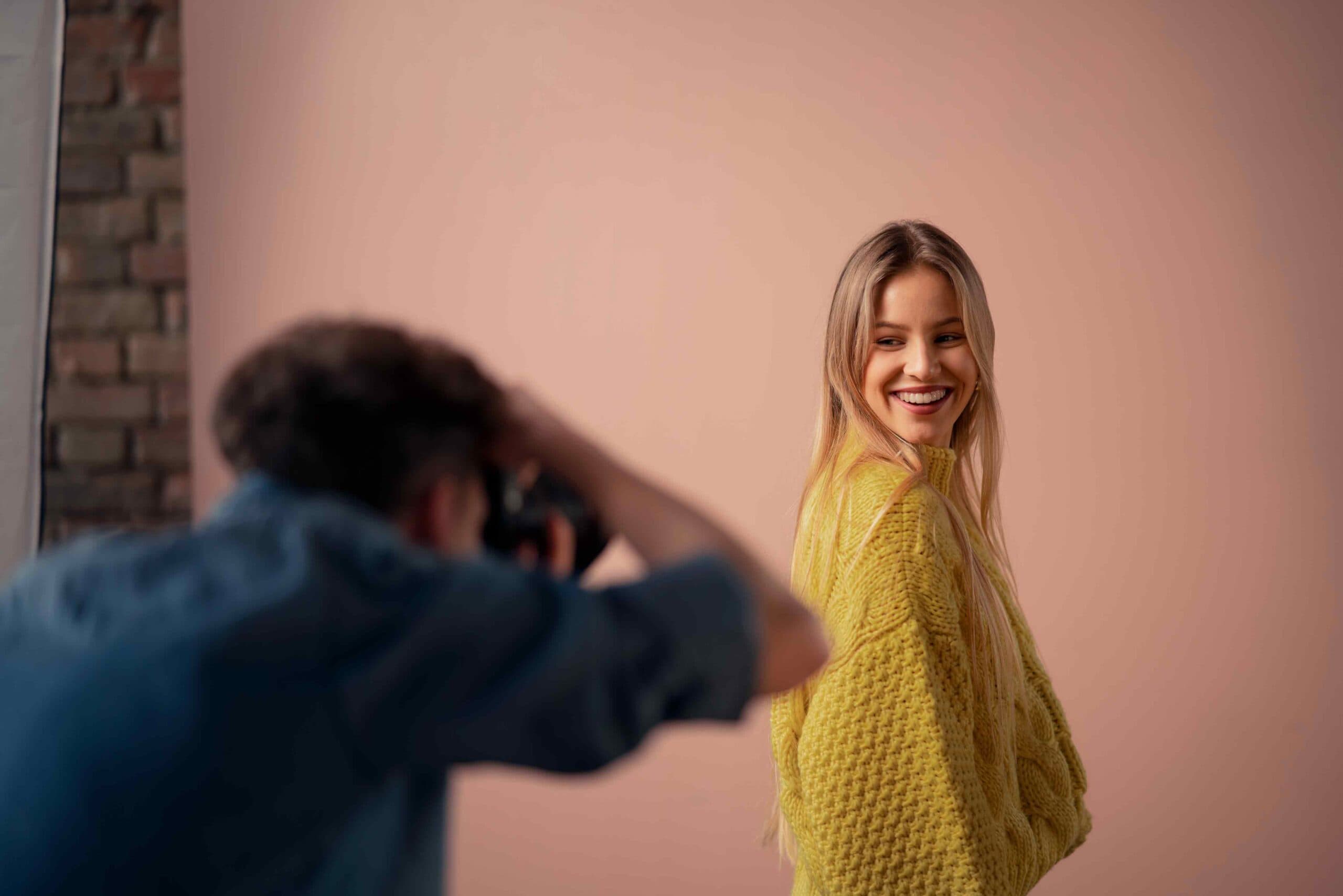
This is where the right photographer can make all the difference. Talented portrait photographers know that there is far more to capturing images than lighting or aperture — they aim to put subjects at ease so that their guards come down and their true personalities shine through.
Interested in telling stories through the power of portrait photography? In this guide to portrait photography for beginners, we will reveal how psychological concepts influence portraits.
The Role of Psychology in Portrait Photography
Portrait photography is more than an artistic medium. It’s also a deeply psychological pursuit, capable of empowering subjects while revealing their stories and personalities. Photographers can enhance their artistry and capture more profound images by applying fundamental psychological concepts. This approach fosters stronger subject connections, leading to more meaningful photographs. Psychological concepts underscore some of the most impactful professional portrait photography tips, as we explain below:
Understanding Human Emotions and Body Language
Emotional intelligence (EQ) enables photographers to discern their clients’ moods and accurately interpret their body language. For instance, posture can betray concealed thoughts or feelings that might obscure the subject’s true personality, such as suggesting unease or discomfort. Photographers who observe indications of difficult emotions can adjust their approach accordingly, taking extra steps to put clients at ease.
This understanding can also help photographers take photos based on how they anticipate the client will later perceive these images. For example, research shows how, by manipulating emotional expression, photographers can “enhance the [perceived] aesthetic value of a portrait.”
This reflects the reality that, for many clients, the goal is not always a “realistic depiction of the moment in which [a photo] was taken” but rather, to “match the way [the client] would like to remember the moment and share it with others.”
Building Trust Between Photographer and Subject
Trust is crucial to any successful photography session, but it’s particularly important when portraits are involved. This begins with clearly demonstrating a non-judgmental approach to photography, as even subtle signs of disapproval can stifle creativity.
Core elements of client trust include professionalism, open communication and warmth. Together, these qualities reassure subjects, who can feel confident that photographers have their best interests at heart.
Why Comfort Leads to Authentic Portraits
Discomfort brings a stiff or awkward quality to portrait photos, causing subjects to pose unnaturally instead of revealing their true selves. This can cause photographs to be perceived as inauthentic.
A compelling exploration of the “truthful portrait” — published in The Journal of Aesthetics and Art Criticism — cautions the photographer against forcing the subject to “take on a posture that renders him or her uncomfortable and unlike themselves.”
Preparing for a Relaxed Photoshoot
Relaxation begins long before subjects arrive for photoshoots. This is developed through every interaction. For instance, a calming website can convey that photographers take their subjects’ concerns seriously, as can a friendly tone of voice when chatting on the phone or when greeting subjects at the beginning of each photoshoot.
Pre-Shoot Communication and Mood Boards
Pre-shoot communication forms the groundwork for positive interactions during the photoshoot itself. This begins with casual conversations and formal consultations that encourage clients to share their vision. Some may struggle to clarify this, but mood boards can help clarify the concept. These curated collections of images provide both inspiration and a sense of control, enabling clients to choose styles or ideas that are personally meaningful to them.
Choosing the Right Location and Setting
Portrait environments are more diverse than many people realize. These do not need to be taken in dedicated studies. While background distractions are best avoided to ensure that all attention is dedicated to the subject’s expression or personality, many locations can bring extra meaning to the visual story of the portrait.
Nature has a way of putting subjects at ease, so don’t hesitate to capture photos in the great outdoors. This provides the bonus of helping clients feel at ease, as a wealth of research shows that natural settings have a built-in calming effect.
Using Wardrobe and Styling to Build Confidence
The cliché “look good, play good” extends to the world of photography, where clients are more likely to pose naturally when they feel confident about their appearance. One of the easiest ways to achieve this is to encourage them to wear clothing that makes them feel comfortable and empowered. This reflects the fascinating concept of “enclothed cognition,” in which clothing influences one’s self-perception and overall psychological state.
While photographers can share recommendations for colors or styles that lead to quality images, they should make it abundantly clear that wardrobe choices ultimately fall to subjects, who are always encouraged to show off their personal sense of style.
Techniques to Put Subjects at Ease
The ideal photography environment gives clients a brief reprieve from the stresses of everyday life, encouraging them to relax and simply enjoy the moment. Photographers can help clients feel at ease through friendly conversation or even by integrating psychological principles into the posing process. When in doubt, enhance comfort with these simple yet effective posing tips for portrait photography:
Breaking the Ice With Conversation or Humor
Icebreakers encourage photographers and clients to connect via low-pressure conversations. Many respond well to humor, best incorporated through light-hearted stories. Just as important is showing an actual interest in clients and their lives. This can be achieved by asking simple questions about clients’ interests or experiences, later expanding on these ideas with follow-ups that demonstrate genuine understanding.
Using Positive Reinforcement and Gentle Guidance
A prominent concept in the psychological school of behaviorism, positive reinforcement is closely tied to the concept of operant conditioning, which suggests that rewards or punishments can shape behavior. Positive reinforcement uses desirable stimuli to promote preferred actions.
In photography, this might mean offering praise when clients relax and adopt natural-looking poses. Some will struggle to put photographers’ suggestions into action, but gentle feedback can help them find the right positioning without suffering any frustration or loss in confidence.
Encouraging Natural Movement and Expressions
Movement has a way of disarming even the most uncomfortable client. This begins with providing prompts that encourage clients to move their bodies in unexpected ways, rather than adopting their go-to poses or expressions, which are more likely to appear stiff and inauthentic.
Creative suggestions help by convincing clients to move their hands. This, in turn, can trigger them to relax their faces and adopt natural expressions. One of the easiest ways to accomplish this is through natural posing techniques, such as encouraging clients to adjust their clothes or hair. Incorporate multiple angles to capture micro-expressions, each of which can tell a different story. Be mindful of the in-between moments, which are more likely to capture authentic expression than the actual poses.
Lighting and Composition for Natural Portraits
The psychological components of portrait photography extend beyond the actual photoshoot to encompass the client’s response upon seeing their photos. Quality images can spark confidence where it was previously lacking. This could even boost pre-shoot confidence; clients who are impressed with website galleries or Instagram highlights will assume that photographers can work their magic on anyone.
Soft, Flattering Lighting Techniques
Clients feel much more comfortable believing photographers will capture them in a flattering light. Therein lies the need for soft, diffused lighting to bypass harsh shadows. Portrait photography lighting techniques may include the use of reflectors to reduce shadows or even employing high-speed sync to overcome the core limitations associated with flash photography.
Light modifiers such as softboxes can create a smoother appearance, enhancing subjects’ best features while minimizing those that tend to make them feel self-conscious. Capture outdoor portraits during the golden hour, the period just before sunset. At this time, the sun’s ideal angle creates a beautiful glow.
Composition That Highlights Personality
Subject positioning doesn’t just promote client comfort (and by extension, help them appear natural or authentic) — it also determines where the viewer’s eye is directed and influences the overall mood of each image. Tight framing can feel intense, drawing attention to the subject’s gaze.
Wider shots deliver a greater depth of field, which, although seemingly less relevant in portrait photography, could add meaningful context by incorporating scenic elements or other details.
Case Studies: Portraits With Authentic Emotional Impact
Some of the world’s most respected photographers focus almost exclusively on taking portraits. They appreciate how each portrait tells a story while capturing the essence of their fascinating subjects. We’ve highlighted a few of the most inspiring portrait photographers below, revealing what their work says about this powerful genre.
Annie Leibovitz’s Approach to Capturing Authenticity
Known for her dramatic, yet intimate celebrity portraits, Annie Leibovitz draws back the curtain on some of today’s most iconic figures, although Leibovitz herself also qualifies as iconic.
Often controversial but always thought-provoking, Leibovitz infuses meaning into every moment. Her most memorable photographs have captured truly seismic moments in pop culture. Her best-known images feature a pregnant Demi Moore, plus John Lennon and Yoko Ono, mere hours before Lennon’s death.
Steve McCurry’s Portraits of Real-Life Stories
Few portraits are as mesmerizing or as impactful as Steve McCurry’s Afghan Girl, which famously graced the cover of National Geographic in 1985. As McCurry explains, this haunting snapshot reveals the “impact that a single image can make in awakening the world’s conscience.” The intensity of the subject’s piercing gaze draws the viewer in, delivering a sense of gravitas and forcing viewers to reckon with the true cost of conflict.
Post-Shoot Engagement
The post-shoot process can feel like a whirlwind, complete with editing and practical tasks like backing up files. Faced with such an extensive checklist, it can be easy for photographers to get lost in their personal workflows and overlook checking in on subjects. Reinforcing previously established rapport while allowing clients a say in transforming raw images into polished photos can make a world of difference.
Reviewing Photos Together for Feedback
Proofs play a fundamental role in the modern photographer’s workflow, allowing clients a sneak peek at eventual images along with the chance to voice their opinion. These lightly edited photos offer a valuable preview of the final product’s potential impact, though they are not to be mistaken for the finished images.
Selecting Images That Reflect Personality
Prior to presenting proofs, evaluate photos to determine which best reflect the subject’s personality. Remove images with obvious flaws before proceeding with a more critical eye, searching for photos that capture powerful emotions.
Though short, a single photoshoot can capture a wide array of emotions and expressions. Present a selection of images that convey this range, allowing the client to choose those they find most meaningful.
Tips for Photographers
There is no simple secret to capturing a mesmerizing portrait. A lot comes down to the personality of the subject and the discernment of the photographer. Still, certain portrait photography techniques tend to produce positive results, transforming everyday snapshots into true works of art. These lifestyle portrait photography tips can help clients feel confident while also producing images that resonate.
Practicing Active Listening and Empathy
Active listening is essential in portrait photography, as it enables photographers to discern how clients truly feel based on their tone of voice and other nonverbal cues. Photographers should approach clients with empathy, striving to understand the emotions they experience during or after photoshoots. It is important to show sensitivity and avoid dismissing clients’ concerns.
Customizing the Experience for Each Subject
No one strategy will spark the same response in every subject. Therein lies the need for adaptable solutions that can be easily incorporated based on each subject’s unique preferences or personality. For example, some subjects may benefit from visual cues while others may prefer humor or storytelling scenarios. There is no ‘right’ way to score an amazing portrait, as it’s a balancing act that calls for exceptional emotional intelligence.
Building a Portfolio That Highlights Authentic Portraits
Photography subjects feel more at ease when they know exactly what to expect from photo shoots — and they’re more likely to know what to expect if they get the chance to examine previous photos thoroughly. This provides helpful insight into your photography style and sets expectations so that there are no unwelcome surprises.
FAQs:
1: How does psychology affect portrait photography?
Photographers who understand basic psychological principles are better capable of reading subtle emotional cues and adapting their communication style to put clients at ease.
2: What can photographers do to make subjects feel comfortable?
Photographers can inspire comfort and confidence through warm conversation and gentle feedback. Other options include selecting relaxed environments or even personal touches such as music in the background.
3: How important is lighting for authentic portraits?
Gentle lighting can create a flattering glow, which, in turn, can help clients feel more confident in their appearance. This confidence can help clients adopt natural poses so that photos capture their true essence.
4: Who are examples of photographers known for authentic portraits?
Famous photographers include Annie Leibovitz and Steve McCurry, who are known for weaving fascinating stories within evocative portraits that capture the true depth of their subjects.
5: What are some quick tips for photographers to connect with subjects?
Photographers can connect with subjects by showing a genuine interest in their stories and by actively listening to subjects’ insights or requests. Simple jokes or stories can bring extra warmth to photographer-subject relationships, inspiring strong rapport and trust.
Learn the Art of Storytelling in Photography: Discover Powerful Techniques in RMCAD’s Photography Program
Pursue your Bachelor of Fine Arts in Photography online or on campus; either way, you’ll discover the secrets to capturing a compelling portrait. Your journey begins with Rocky Mountain College of Art + Design (RMCAD), where you’ll uncover helpful tips for photographing people, touching on both the technical and interpersonal elements of portrait photography. Get in touch today to learn more.