Across cultures and crises, fine arts initiatives foster expression, connection and resilience. Art therapy programs can help fractured communities process trauma and rebuild trust so they may ultimately imagine collective futures rooted in hope and healing through art.
Framing Fine Arts as a Tool for Community Healing
Art can be a tool for creating beauty, inspiring an experience or communicating a message through visual storytelling. In the right context, it can also serve as a means of community healing.
Why Communities Turn to Art After Crisis
In moments of pain, trauma and confusion, art offers accessible ways to:
- Express grief.
- Share stories.
- Restore routines.
- Create collective meaning.
Creative arts therapy and community art projects enable participation across ages, languages and abilities when words, services or trust are scarce.
Distinguishing Community Arts, Art Therapy and Cultural Practice
- Community arts emphasize collective creation and civic bonds created through creative expression within arts-based community development projects.
- Art therapy (therapeutic art) is a clinical practice used to address mental health concerns.
- Cultural practices can incorporate art in ways that sustain identity and heritage through shared and traditional art forms.
The Limits of Art: Supportive, Not a Substitute for Clinical Care
Art can support coping and connection, but it cannot replace clinical diagnosis and treatment. Ethical programs coordinate with clinicians, set boundaries and refer participants to professional care.
Understanding Community Trauma and Context
Effective arts-based healing begins with understanding the specific traumas that communities face and the social contexts that shape recovery. Artistic interventions should be grounded in reality, rather than assumptions, to promote community well-being.
Types of Crises: Violence, Displacement, Disaster and Loss
Various crises produce distinct emotional, cultural and material impacts that shape how healing unfolds. Communities experience trauma through scenarios like:
- War
- Natural disasters
- Forced migration
- Systemic violence
- Sudden loss
Grief, Collective Memory and Social Fragmentation
Trauma disrupts shared narratives, fractures relationships and infuses grief within collective memories. These wounds can surface as conflict, silence or withdrawal, and public initiatives can gently bring issues to the surface — helping communities process trauma while cultivating healing through creativity.
Listening First: Community Voices, Histories and Needs
Arts in health should not be oppressive; healing-centered arts initiatives require:
- Listening to community members.
- Understanding cultural nuances.
- Respecting local histories.
- Co-designing initiatives that reflect expressed needs (rather than imposed, external solutions).
How Fine Arts Support Healing Processes
Although the use of arts in health might seem unconventional, fine arts support healing by creating spaces for expression, connection and meaning-making. The following mechanisms demonstrate how creative practices help individuals and groups move through trauma toward shared understanding and resilience:
Storytelling, Witness and Being Seen
Art enables people to tell stories of pain and survival and be witnessed without judgment while reclaiming their voice and dignity. Art transforms private experiences into shared narratives that reduce isolation and foster empathy.
Ritual, Ceremony and Shared Creative Acts
Collective rituals and creative ceremonies mark loss, transition and renewal. This, in turn, can help communities restore rhythm, belonging and trust through repeated, participatory acts that are supported by a foundation of shared meaning.
Making the Invisible Visible: Feelings, Systems and Hope
Participatory performance art, visual art and literary arts in public health help externalize emotions, reveal hidden power structures and enable participants to imagine hopeful futures. Through art, communities can work together to name complex realities and envision change beyond the immediate crisis.
Forms of Community-Based Fine Arts Initiatives
Community-based fine arts initiatives take numerous forms, adapting to local spaces, resources and traditions. Different types of art support collective healing and public engagement, such as:
Murals, Public Paintings and Street Art
Murals and street art reclaim damaged or contested spaces, tell local stories, honor loss and visibly assert resilience, pride and collective identity in everyday environments shared by the community.
Community Sculpture, Memorials and Temporary Installations
Sculptures and installations create physical sites for remembrance and reflection. They provide places to gather, mourn and communicate while transforming public spaces into shared symbols of memory and healing.
Performance, Movement and Participatory Sounds or Music
Promoting emotional release, synchronization, co-regulation and joy, various forms of performance like dance and music engage bodies and voices. Participatory formats encourage inclusion, dialogue and shared presence within diverse communities.
Designing Participatory Art Processes
Participatory art processes are vital for the arts and mental health, ensuring arts initiatives support empowerment rather than exclusion. Thoughtful processes and methods prioritize shared ownership, accessibility and care — allowing community members to shape outcomes and experiences.
Co-Creation, Not Delivery: Inviting Real Input and Decision-Making
Effective projects involve community members as collaborators from planning through completion. Sharing authority over themes, methods and outcomes builds trust, relevance and lasting collective ownership.
Accessible Materials, Low-Barrier Activities and Multiple Roles
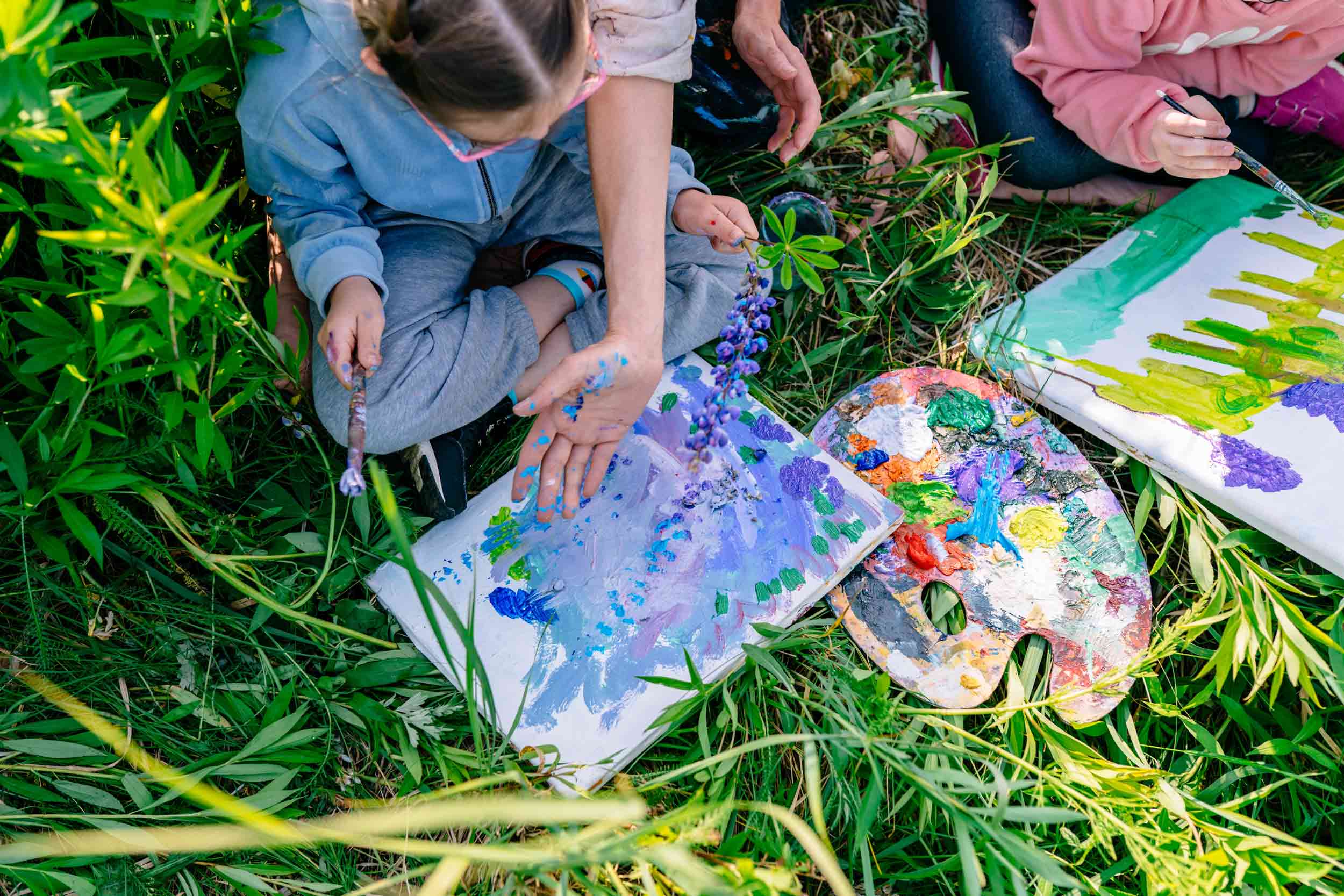
Using familiar, affordable materials and offering varied roles (e.g., creating, organizing or observing) enables people of different abilities, ages and comfort levels to participate meaningfully without pressure or exclusion.
Creating Safer Spaces: Ground Rules, Opt-In Sharing and Choices
Clear agreements, consent-based participation and flexible options help reduce harm and maintain respectful boundaries while cultivating emotional safety — especially when creative processes expose vulnerability and sensitive community histories or traumas.
Spaces and Settings for Healing Art
The setting of art therapy initiatives impacts who participates and how healing unfolds. Different spaces offer varying levels of access, safety, visibility and symbolism within community recovery efforts.
Schools, Youth Centers, Libraries and Faith Communities
These welcoming institutional spaces provide familiar surroundings where arts activities can reach families and support youth development as well as align healing practices with education, spirituality and existing community networks.
Clinics, Community Health Hubs and Social Services Agencies
Integrating fine arts into health and social service settings supports holistic care and complements wellness programs. Additionally, this creates nonverbal pathways for expression among people navigating stress, illness and recovery.
Streets, Parks and Pop-Up Galleries in Everyday Spaces
Creative placemaking emphasizes the use of public and temporary spaces to bring art into daily life, lowering barriers to participation and reclaiming shared environments. This signals that healing belongs to the whole community, not just those with access to more formal spaces. Using everyday spaces can be especially powerful for promoting art and social justice.
Ethics, Boundaries and Emotional Safety
Ethical practice is essential when using fine arts in healing contexts. Clear boundaries, care and accountability help ensure creative initiatives support well-being without causing unintended harm.
Working Alongside, Not Replacing Mental Health Professionals
Arts facilitators should collaborate with clinicians, respect professional scopes and establish referral pathways. It’s important to recognize that creative processes complement — but do not replace — mental health assessment and treatment.
Informed Consent, Privacy and Image Use
Participants must understand project goals/risks and how artworks or images will be shared — prioritizing consent, confidentiality and respect for those who choose anonymity or limited visibility.
Responding when Projects Surface Pain or Conflict
When art reveals trauma or disagreement, facilitators need protocols for de-escalation, support and dialogue in order to ensure participant safety, acknowledge complexity and avoid forcing resolution.
Collaboration and Cross-Sector Partnerships
Arts-based healing depends on collaboration across sectors, roles and generations. Partnerships expand capacity and deepen trust, plus align creative efforts with broader community goals for recovery.
Artists Working With Educators, Counselors and Elders
Collaborations between artists, teachers, counselors and elders blend creative skill with educational, emotional and cultural knowledge. This ensures initiatives are developmentally appropriate, trauma-informed and grounded in community.
NGOs, Municipal Governments and Cultural Institutions
Partnerships with nonprofits, local governments and cultural organizations provide resources, legitimacy and infrastructure to help scale initiatives and embed arts-based healing within long-term community planning.
Building Local Leadership and Passing Skills to Community Members
Effective projects help:
- Attract and cultivate local facilitators.
- Promote the sharing of artistic and organizational skills.
- Community members lead future initiatives.
- Reduce dependence on individuals outside the community.
Measuring Impact and Telling the Story
Understanding impact helps validate arts-based healing and guide future work. Balancing numbers with human impact, measurement approaches should consider both the human experience and practical outcomes.
Qualitative Markers: Narratives, Testimonials and Observed Change
Stories, reflections and observed shifts in behavior, relationships or atmosphere reveal how participants experience healing and empowerment beyond what quantitative metrics alone can capture.
Participation Data, Continuity and New Initiatives Sparked
Tracking attendance, repeat engagement and spin-off projects helps assess reach and sustainability — along with whether arts initiatives inspire ongoing community action and leadership after initial interventions conclude.
Documenting Projects: Photography, Film and Community Archives
Documentation preserves processes and outcomes and creates community-owned archives that honor participation. These efforts also support learning and advocacy while respecting consent, context and long-term stewardship.
Global Case Studies and Examples
Around the world, communities use fine arts to address trauma, cultivate belonging and reclaim public spaces. The following examples bring cultural context to diverse approaches and outcomes in healing and resilience.
United States: Youth-Led Murals Addressing Violence and Belonging
Young people are participating in collaborative mural projects (such as in the Bronx, New York) to confront violence, celebrate local identity and foster dialogue. Meanwhile, participants in the LA vs. Hate mural work to promote belonging by transforming public spaces into symbols of inclusion.
South Africa: Community Printmaking and Theater in Post-Conflict Work
Allowing South African communities to narrate their histories and reimagine shared futures, post-apartheid programs use collaborative printmaking and theater to build civic understanding, process collective trauma and ultimately prompt reconciliation.
Columbia: Public Art and Music in Neighborhood Peacebuilding
Art and music engages former conflict-affected communities in Colombia, transforming streets into sites of cultural celebration and mutual understanding. After years of violence, these types of projects support reintegration and social cohesion.
Syria: Diaspora Art Projects Centering Displaced Voices
Syrian artists in diaspora centers document displacement, memory and hope through visual arts, performance and digital media — amplifying refugee narratives while preserving cultural heritage and cross-border solidarity.
Indigenous Communities in Canada: Art, Land and Language Revitalization
Rooted in tradition and community values, Indigenous-led arts integrate storytelling, land-based practices and language revitalization to help heal intergenerational trauma as well as assert sovereignty and cultural identity.
India: Women’s Textile and Mural Projects Around Health and Safety
Women-led textile and street mural initiatives address public health/safety and gender equity in India. They offer collective spaces for skill-sharing, advocacy and creative expression while raising awareness in local communities.
Europe: Museum-Neighborhood Collaborations on Memory and Migration
Museums partner with neighborhoods to co-create exhibitions and public programs that document migration histories and spark dialogue between residents and institutions. In this way, Europeans leverage art to explore collective memory and social integration.
Explore Diverse Pathways for Fostering Healing Through Art at RMCAD
The power of fine arts fuels healing, connection and resilience in communities facing trauma and crisis. Blending creativity with purpose, then, artists can drive meaningful change.
At Rocky Mountain School of Art + Design, our Bachelor of Fine Arts program equips students with the skills, techniques and vision to lead transformative, community-centered art initiatives. To learn more about this degree program, request more information today.
FAQs: Fine Arts in Healing Communities
Q1: How is community-based fine art different from art therapy?
Community arts focus on shared expression, visibility and connection. Art therapy is a clinical mental health practice led by licensed professionals with therapeutic goals and confidentiality requirements.
Q2: Can artists lead healing projects without mental health training?
Artists without formal mental health training may successfully spearhead healing projects if they:
- Stay within an educational or cultural role.
- Set clear boundaries.
- Collaborate with counselors or support staff when strong emotions or safety concerns arise.
Q3: To what kinds of crises can fine arts help communities respond?
Projects have supported communities navigating violence, displacement, natural disasters, public health emergencies and ongoing injustice by creating spaces for reflection, dialogue and collective imagination.
Q4: How do you avoid retraumatizing participants through art activities?
Offer choice in themes and depth, never require personal disclosure, set ground rules for respect, provide “opt-out” roles (like documentation and logistics) and know referral routes if someone becomes distressed.
Q5: How can small schools or local groups start a health art initiative?
To spearhead a local health art initiative, you might:
- Begin with a modest mural, zine or exhibition project.
- Co-design it with participants.
- Partner with a local counselor or social worker.
- Create a clear plan for support, celebration and follow-up.
Q6: How do you measure whether a fine arts project actually helped?
Combine stories and observations (i.e., what changed in mood, relationships or confidence) with simple data like attendance, repeat participation, new partnerships or additional projects that grew from the first one.
Q7: What skills should artists build if they want to work in this space?
Artists should strive to establish skill sets and mindsets that revolve around:
- Facilitation
- Listening
- Collaboration
- Basic safeguarding
- Reflective practice
- Strong artistic proficiency
- Openness to sharing authorship with community members