When it comes to digital art vs. traditional art, skilled game designers understand how the two are closely related. Whether you’re working with pixels or paint, traditional art techniques like painting, sculpture and illustration continue to shape contemporary game design — influencing aesthetics, composition and storytelling.
Framing Traditional Arts in a Digital Medium
Practicing time-honored artistic principles and techniques enriches the visual language of game art styles. While digital tools reign in video game production today, traditional art principles remain foundational. A solid grasp of classical techniques allows game artists to craft more compelling, visually rich experiences.
Why Painting, Sculpture and Illustration Still Matter for Game Artists
Traditional arts teach observation and material understanding. Game artists gain insights into texture, color and anatomy that elevate digital work beyond technical skill alone.
Shared Foundations: Form, Light, Composition and Story
Core principles like light, shadow, perspective, narrative and composition apply across media. Leveraging these elements helps artists create believable worlds and emotionally resonant experiences in games.
From Easel and Clay to Engine and Pipeline
Techniques developed with brushes, chisels or pencils translate into three-dimensional (3D) modeling and sculpting, texturing and animation workflows. Traditional knowledge informs problem-solving and creative decision-making in digital pipelines.
Painting Principles in Game Art
Guiding everything from level design to character concept, painting fundamentals are essential in game art. The combination of value, color and brushwork makes visuals readable and emotionally engaging.
Value Structure and Readability at Gameplay Distance
Strong value contrast helps players distinguish forms quickly. Thoughtful light and shadow organization ensures important gameplay elements stand out, even in complex or fast-moving scenes.
Color Theory, Mood and Environmental Storytelling
Color choices convey atmosphere, emotion and narrative cues. Harmonies, contrasts and saturation guide player perception and subtly reinforce story and thematic elements within environments.
Edges, Brushwork and Painterly Styles in Concept Art and Textures
Texture painting techniques like varied edges and brushstrokes add depth, focus and texture. Painterly styles (with visible brushstrokes) in character or environment concept art create richness while supporting stylistic consistency across game visuals.
Composition and Camera in a Playable Space
Composition principles from traditional art remain vital in games, shaping how players perceive and navigate environments. Translating classical techniques into interactive spaces, effective composition enhances clarity, storytelling and immersion.
Classical Composition: Rule of Thirds, Leading Lines and Focal Points
Techniques like the rule of thirds, leading lines and focal points guide players’ attention. Strategic placement emphasizes key gameplay elements and elevates narrative impact within scenes.
Adapting Framing to Moving Cameras and Player-Controlled Views
Unlike static art, games feature dynamic cameras. Composition must account for movement to ensure readability, focus and visual flow from multiple angles or player-controlled perspectives.
Using Foreground, Midground and Background for Depth and Guidance
Guiding navigation and directing focus, layering environments creates depth. Foreground, midground and background elements work together to communicate scale, distance and narrative cues intuitively.
Sculpture and 3D Thinking
Sculptural principles are the foundation of all 3D game art. Understanding form, volume and gesture helps artists create believable characters, environments and props.
Observational Sculpture: Planes, Volumes and Gesture in 3D
Studying planes, volumes and gestures trains the eye to see structure and movement. Developing these skills through environment, object and gesture drawing practice improves modeling and posing as well as spatial clarity in digital assets.
Anatomy, Drapery and Weight for Characters and Creatures
Accurate anatomy, fabric behavior and realistic weight distribution make characters and creatures feel tangible. Traditional sculpture teaches the subtleties of balance, posture and physical presence.
Traditional Maquettes to Digital Sculpting and Retopology Workflows
Physical maquettes guide proportions and composition, while digital sculpting and retopology translate these forms into optimized 3D models for animation and in-game performance.
Illustration and Visual Storytelling
Illustration teaches clarity, narrative and visual communication — all of which are critical in game art and game design. From character design principles and concept art foundations to iconography in UI design, traditional illustration techniques guide design choices that enhance storytelling and player comprehension.
Character Illustration, Iconography and Shape Language
Strong visual motifs, icons and shape language in characters communicate personality, role and readability. Shape language ensures instant recognition and reinforces gameplay or narrative cues.
Sequential Thinking: Key Frames, Turnarounds and Story Moments
Illustrators use sequential planning to depict movement and progression. In games, this informs animations, cutscenes and concept art in order to maintain consistency and storytelling clarity across frames.
Using Line, Spot Blacks and Graphic Contrast for UI and HUD
Lines, silhouettes and contrast improve legibility in interfaces. Applying illustration principles to user interface (UI) and heads-up displays (HUD) design guides player attention and strengthens visual hierarchy under diverse gameplay conditions.
Materiality, Surface and Texture
Understanding how materials look and feel is key to creating believable game art. Traditional media and real-world observation inform surface detail, texture creation and material realism in digital painting game art.
Paint, Patina and Weathering in Physical Media as Texture References
Observing how paint ages, metals patinate or surfaces wear provides reference for realistic textures. These physical phenomena inspire digital materials and environmental storytelling in games.
Translating Charcoal, Ink and Printmaking Marks Into Brushes and Alphas
Charcoal, ink and print textures can be translated into brushes or alphas, thereby adding nuance and stylistic variation to textures and concept art.
Observing Real Materials: Specular, Roughness and Micro-Detail
Careful study of real-world surfaces guides the creation of realistic specular highlights, roughness and micro-details. Whether aiming for realism or fantasy, these subtleties enhance immersion and tactile authenticity in 3D assets.
Traditional Draftsmanship and Worldbuilding
Draftsmanship builds the observational and structural skills needed for convincing worlds. By studying life, architecture and objects, game artists ground imaginative spaces in believable reality.
Life Drawing, Urban Sketching and Location Studies for Environments
Drawing from life and on location sharpens observation of proportion, scale and atmosphere. This informs environmental design, making spaces and buildings feel lived-in and spatially coherent.
Architectural Drawing and Perspective in Level Layouts
Architectural drafting teaches accurate perspective and structural logic. Applying these principles to game layouts improves navigation and spatial readability, plus the overall sense of realism in imagined environments.
Prop Design Inspired by Real-World Craft and Construction
Studying real tools, furniture and construction methods informs prop design. Authentic materials, joints and wear patterns help objects feel functional and believable within game worlds.
Adapting Traditional Techniques to Different Game Styles
Traditional art principles are flexible tools that adapt to diverse game aesthetics. Whether aiming for realism or abstraction, these foundations guide stylistic choices and production decisions.
Realism: Academic Drawing Foundations in AAA Pipelines
The level of realism achieved in AAA games relies on accurate perspective, deliberate values and anatomy for game artists learned through academic drawing practices. These skills support high-fidelity modeling, texturing and lighting across large, collaborative production pipelines.
Stylization: Cartoon, Anime and Graphic Traditions in Indie Titles
Stylized games draw from cartoons, anime and graphic illustration. Simplified forms and exaggeration or bold shapes prioritize expression, clarity and strong visual identity over realism.
Hybrid Styles: Painterly, Low-Poly and Cell-Shaded Approaches
Hybrid styles blend traditional techniques with digital constraints. Painterly textures, simplified geometry or cell shading combine artistic expression with performance and readability while achieving a distinctive visual appeal.
Case Studies: Global Art Traditions in Games
Aspiring game artists can look to artistic traditions from around the world for digital art inspiration grounded in regional aesthetics, traditional influences and techniques.
Japan: Ink Wash, Ukiyo-e and Cel Animation Influences in Game Worlds
Japanese games often reflect ink wash minimalism, ukiyo-e composition and cel animation techniques. These influences shape stylized environments, expressive characters and rhythmically framed gameplay moments.
France: Impressionist Color and Brushwork in Painterly Adventure Games
French-inspired games frequently use impressionist palettes, broken brushwork and atmospheric lighting. These techniques emphasize mood, emotion and sensory experience over strict visual realism.
Mexico: Muralism, Folk Art Motifs and Festival Color Palettes
Mexican visual traditions contribute symbolic imagery along with bold compositions and vibrant festival colors. Muralism and folk motifs enrich narrative themes of community, history and celebration in games.
Scandinavia: Folk Pattern, Masks and Rhythm in Character Design
Scandinavian influences appear through restrained palettes, repeating folk patterns and nature-focused illustration. These elements support calm, mythic or melancholic tones grounded in landscape and folklore.
India: Miniature Painting, Ornament and Architectural Detail in Fantasy
Indian miniature painting influences layered storytelling as well as rich ornamentation and detailed architectural designs. Game artists adapt these qualities to create ornate fantasy worlds with symbolic color and intricate environments.
Education, Workflow and Practice Habits
Successful game artists develop skills through consistent practice and thoughtful workflows. Combining traditional study with contemporary production habits sets the stage for versatility, efficiency and long-term artistic growth.
Sketchbooks, Studies and Daily Drawing for Game Artists
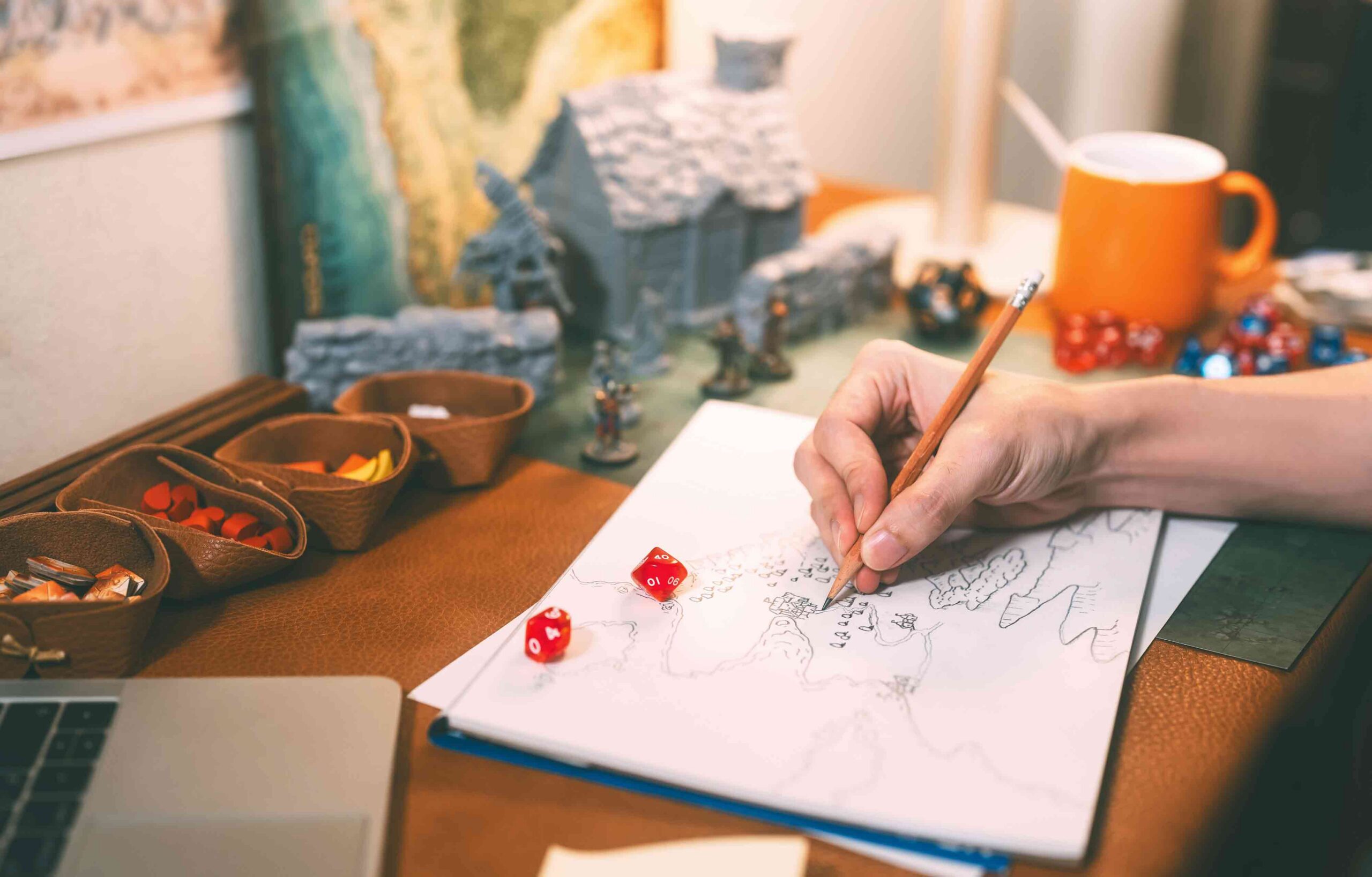
Regular sketching builds observation, muscle memory and visual problem-solving abilities. Studies of anatomy, environments and objects strengthen fundamentals that directly support concept art and asset creation.
Mixing Analog and Digital: Scanning, Painting Over and Kitbashing
Analog sketches can be scanned and refined digitally, and painting over photos, scans or 3D blockouts speeds iteration while preserving the expressive qualities of traditional media. Additionally, artists can accelerate their processes and increase consistency by combining pre-made elements from asset kits to assemble complex and unique environments, characters and props.
Building Portfolios That Show Both Traditional and Game-Ready Work
Among the most notable game art portfolio tips to remember is that effective portfolios balance traditional studies with polished game assets. Showing fundamentals alongside production-ready models or concepts demonstrates artistic depth and practical industry-readiness.
Looking Ahead: Traditional Skills in Emerging Technologies
As game technology evolves, traditional art skills remain a steady foundation. Observation, design principles and craftsmanship continue to guide artists working with new platforms and tools.
How Classical Observation Supports VR, AR and XR Experiences
Strong observational skills help ensure believable scale, proportion and spatial relationships. In virtual reality (VR), augmented reality (AR) and extended reality (XR), these fundamentals support comfort, immersion and intuitive interaction within virtual spaces.
Hand-Drawn Aesthetics in Procedural and Generative Workflows
Procedural tools benefit from artistic input. Hand-drawn patterns, shapes and rules influence generative systems — thus preserving intentional style, authenticity and human expression within automated workflows.
Staying Grounded in Fundamentals as Tools and Engines Evolve
As engines and tools change rapidly, fundamental art techniques and principles offer game artists stability. A firm grasp of drawing, composition and form helps artists adapt and evaluate new technology while maintaining artistic clarity and integrity across platforms.
Fuel Your Game Art Foundation With RMCAD
Traditional art principles continue to shape game visuals and workflows, as emerging technologies remain anchored in the fundamentals of art and design. At Rocky Mountain School of Art + Design, our online and on-campus Bachelor of Fine Arts in Game Art programs are designed to ground students in timeless skills while preparing them for evolving careers in the game industry. To learn more about studying game art at RMCAD, explore our program pages or request more information today.
FAQs: Traditional Art Techniques in Game Art
Q1: Do I really need traditional art skills to work in game art?
Strong game artists almost always lean on traditional foundations: drawing, value, color and form. Software changes, but fundamentals make your work readable and appealing in any engine.
Q2: Which traditional practice helps game artists the most?
Consistent drawing from observation (figures, environments, props) is key. It improves anatomy, perspective and design instincts that carry into concept art, modeling and texturing.
Q3: How can I combine traditional media with digital tools in my workflow?
Sketch thumbnails in pencil, scan or photograph them and paint over them digitally. You can also create ink or paint textures on paper and turn them into brushes, alphas or tiling textures.
Q4: What role does sculpture play if I mostly work in 2D?
Even basic sculpting (clay heads or maquettes) sharpens your sense of volume and planes. That 3D awareness improves your character rotations, lighting and shading in 2D work.
Q5: How can I respectfully draw from global traditional art in my game designs?
Research deeply, credit your inspirations and avoid lifting specific designs “verbatim.” When possible, collaborate with artists from those cultures and aim for dialogue, not appropriation.
Q6: How do I show traditional influence in a game art portfolio?
Include life drawing, studies of sculptures or paintings and then adjacent game assets (e.g., concepts, models, textures) that clearly apply those lessons in pose, lighting or surface.
Q7: Will traditional fundamentals still matter with AI and procedural tools?
Yes; as tools automate more tasks, human strengths, taste, judgment, composition and storytelling become even more important — and those come directly from solid art fundamentals.