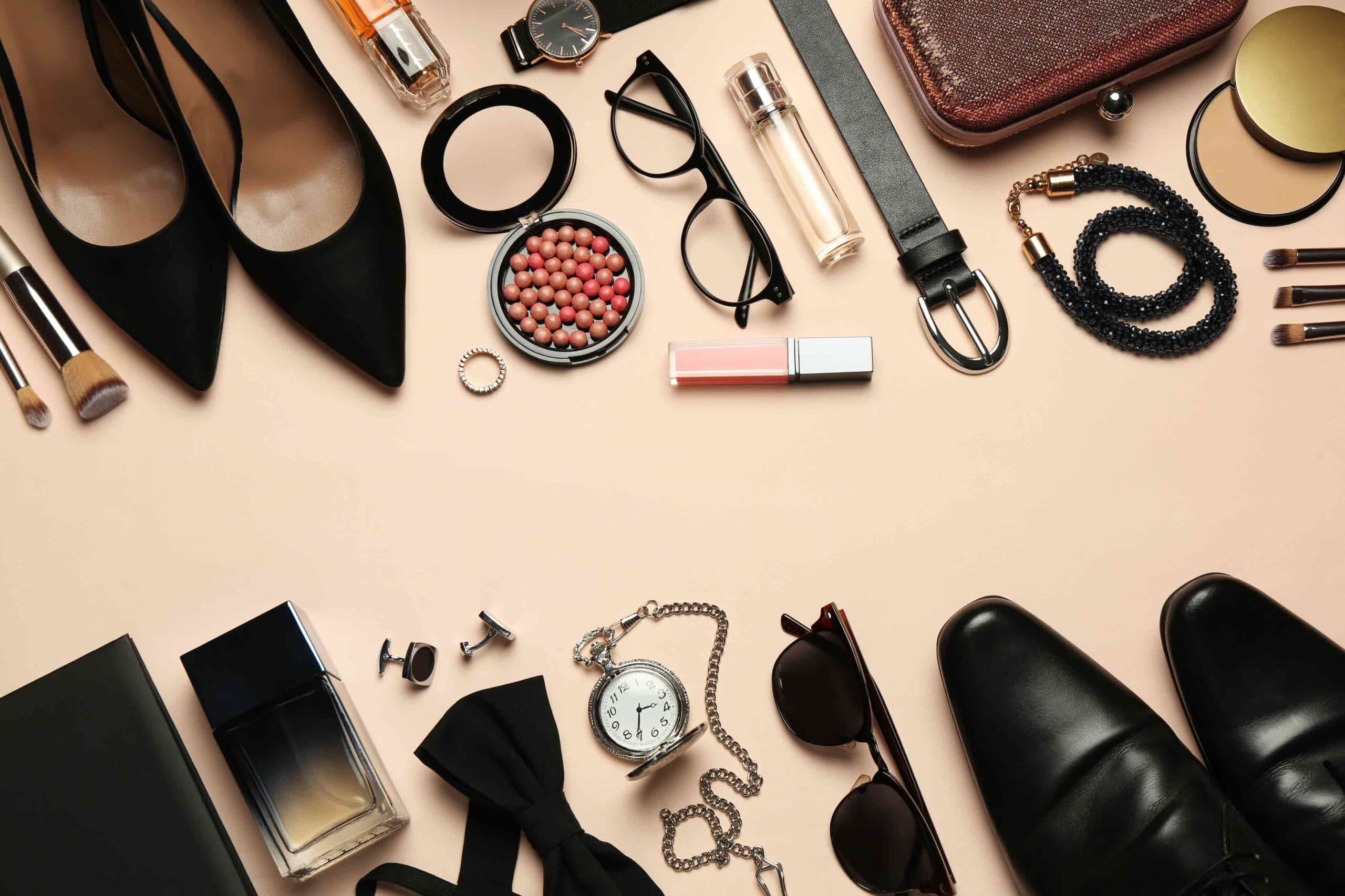
Fashion draws on intricate details to make a splash. Nowhere is this ability more evident in the inspiring world of accessory design. Accessories hold a hidden power, as just one simple addition can transform an entire look. This, then, brings deeper meaning to any look, adding cultural nuance along with hints at your rich experiences or unique perspectives.
Many people, although intrigued by fashion accessory trends, also feel intimidated by fashion-forward jewelry, handbags and shoes. To help overcome these fears, we will reveal not only how to use luxury fashion accessories for personal style, but also how to design accessories that encourage others to embrace the joy of self-expression.
The Importance of Accessories in Fashion
The fashion world would not feel nearly as fun or creative without accessories. These are akin to spices in the culinary scene. Major ingredients like produce or grains may form the bulk of any given meal — and may provide crucial sustenance — but dishes wouldn’t be nearly as satisfying without that extra pop from garlic, basil or thyme.
How Accessories Define Personal Style
Accessories add personality to everyday outfits. These reflect the full gamut of styles, ranging from pearl necklaces for added elegance, for example, to fringed bags for carefree boho vibes. Chunky sneakers amplify sporty style while leather chokers add a punk edge.
Unlike traditional clothing, these accessories offer more freedom for self-expression and allow individuals to experiment with new signature styles without immediate commitment.
Balancing Functionality and Aesthetics
While many accessories are strictly meant for adornment, others maintain a utilitarian edge. For example, shoes can enhance athleticism, while tote bags carry important items. Other functions may seem more personal but are important nonetheless, including engagement rings, which serve as symbols of commitment, while lockets keep treasured faces close.
Multi-purpose accessories reveal how function and form can join forces to create striking pieces that remain easy to wear and show off in everyday life. These items prove that daily necessities do not need to feel bland. Through careful selection, we can curate even the mundane moments in life.
Accessories as Statement Pieces
Eye-catching items are often referred to as “statement pieces.” This term captures their ultimate goal, which is to make an impression by surprising the viewer, all while revealing the wearer’s true essence. These pieces can vary greatly, featuring standout silhouettes or bold colors. Despite their diversity, they hold one key commonality: they are not likely to be missed.
While many garments qualify as statement pieces, these face inherent restrictions related to sizing, comfort and overall wearability. Think of the model strutting the catwalk in an oversized, sculptural gown — visually compelling but impractical for everyday life. Those same sculptural elements, however, could be built into a memorable handbag that can add an avant-garde element to any look.
Key Categories of Fashion Accessories
Fashion items are typically thought of as accessories if they are complementary rather than essential. Exceptions certainly exist (such as shoes, for example), but the overall impression is that the accessory completes or amplifies the look instead of forming its basic blueprint.
Handbags and Their Evolution in Design
Handbags keep small items secure, yet easily accessible. They are not merely functional, however, and compared to other types of accessories, gain greater versatility through the simple reality that they are often carried rather than worn.
As researchers explain in the peer-reviewed journal Consumption Markets and Culture, handbags are layered with meaning. They allow “ideologies, economics, culture, social statuses and identities” to converge in a single, visually mesmerizing artifact.
The evolution of handbags has seen these accessories become a key marker of female empowerment. Although these bags have existed in some capacity for millennia, their present form emerged during the Industrial Revolution, growing more prominent as women began to join the workforce. In the journal mETAphor, this is even described as a “powerful symbol of female experience.”
Jewelry as a Timeless Fashion Element
Intricate and decorative, jewelry serves as the ultimate example of an aesthetically-focused accessory. Often elegant, this can bring a timeless element to any look, functioning both as a signal of social status and as a form of self-expression, amplified through bespoke designs.
In the Journal of Jewellery Research, contemporary jewelry is regarded as a “meaningful form of cultural production that cuts across the fields of design, art and industrial production.” Jewelry design ideas go beyond surface-level ornamentation, as they offer an homage to both artistry and tradition, offering the chance to convey both group identity and personal narratives. Jewelry design inspiration may draw from diverse areas such as nature, architecture or even cutting-edge technology.
Shoes as Both Functional and Artistic Pieces
Offering the ultimate blend of function and fashion, shoes occupy a unique space among accessories. They are, unlike most other accessories, absolutely imperative for navigating everyday life. Shoes protect our feet, improve our gait and influence our posture. Creative shoe design can shape style and performance in diverse activities, ranging from hiking to industrial tasks and even lounging at home.
From a fashion perspective, footwear provides the chance to anchor a curated outfit, setting the tone through texture, silhouette or embellishment. Even sneakers can feel downright artistic, using diverse colors, patterns and materials to amplify creative expression. A simple pair of shoes can complement a well-established aesthetic or take an otherwise basic outfit in a whole new direction.
The Role of Accessory Designers
Accessory designers act as a fashion conduit, distilling a wide range of cultural traditions and market trends to create items that, although widely beloved, also promise personal appeal. These multi-talented professionals must balance utility and craftsmanship with storytelling and artistry.
Although challenging, this corner of the fashion industry can be deeply meaningful, allowing designers to curate treasured accessories that hold the potential to become cultural touchstones. Many work with prominent fashion accessory brands to expand their reach while drawing on their passion to reveal exciting possibilities.
Understanding Market Trends and Consumer Needs
Accessories, like garments, cycle in and out of style. While designers should not feel restricted by these trends, they must be taken into account to ensure that products actually have a viable market.
Forecasting enables designers to anticipate upcoming trends in fashion accessories, drawing on a range of factors, including retail analytics, runway styles and streetwear developments, to reveal broader cultural shifts that may influence individual accessory purchases.
While experts at Vogue Business acknowledge that these trends can feel almost like conspiracies to outsiders, they actually reflect an in-depth process encompassing extensive quantitative and qualitative research, designed to reveal what today’s consumers want and need.
Collaborating With Fashion Designers and Brands
Collaborative by nature, accessory designers work closely with other fashion authorities to create cohesive styles that work well together. This effort has often culminated in co-branded partnerships that incorporate each designer’s unique strengths or signature style.
For instance, a highly anticipated collaboration between Dior and Air Jordan represented a major step forward in the luxury streetwear market while encouraging each brand to reimagine its core identity. Other collaborations may help designers target new markets or shift their overall brand perception.
Experimenting With Materials and Techniques
Accessories are uniquely versatile, in part, because they can be constructed from a wide range of materials without requiring significant compromises in fit or functionality. Each type of material tells a different story while contributing to desired qualities such as durability or comfort.
Designers may experiment with novel materials to push the envelope, although the techniques used to manipulate these materials can be even more impactful. These include everything from hand-stitching to embossing, enameling or even engraving.
For example, while leather handbags have long conveyed sophistication, Bottega Veneta elevates its artistry through the use of Intrecciato — a meticulous weaving technique that, as Vogue explains, has elevated the designer’s “reputation for craft and creativity.”
Design Principles for Creating Accessories
While fashion accessories largely hold true to overarching design principles, they involve unique considerations that determine their place in the continuum between functional and fashionable. No rules are truly universal, but a few core principles can guide designers through accessory conceptualization and prototyping:
The Use of Color, Texture and Shape
Given the sheer diversity of accessories, it can feel difficult to break down the qualities that make these pieces shine. In general, however, three key elements determine how accessories are perceived:
- Color. Accessories are often brightly colored, adding a pop to styles that may otherwise be dominated by neutrals. Color selection may be guided by market trends or by the piece’s intended emotional tone, although cultural symbolism and brand identity may also come into play.
- Texture. Adding depth to accessories, textures can amplify visual weight, commanding attention while conveying specific moods. Smooth satin, for instance, evokes elegance, while raffia delivers a more carefree feel.
- Shape. An accessory’s shape can determine not only its silhouette, but also its structure. Think of a sharply angled handbag in contrast to a softer, slouchier shape. This can bring an appealing sense of contrast to an outfit without requiring bold colors.
Balancing Innovation With Wearability
Though accessory designers may not prioritize wearability as much as those in athleisure or ready-to-wear, it still holds significant importance, particularly for footwear and headwear. Through ergonomic design and strategic material selection, designers can create innovative pieces that remain practical for everyday use.
Case Studies: Iconic Accessory Designs
Some of the fashion industry’s most iconic moments have been made possible by remarkable accessory designs that remain instantly recognizable. These examples reveal how trends can become timeless if they feature exceptional craftsmanship and provide a compelling narrative.
The Hermès Birkin Bag and Luxury Craftsmanship
As the crowning achievement from a notoriously sophisticated designer, the iconic Birkin is the ultimate symbol of exclusivity. This beloved bag was inspired by the actress Jane Birkin, who craved a practical option for carrying everyday essentials while maintaining a refined appearance.
Christian Louboutin’s Signature Red-Soled Shoes
Few shoes are as adored as Christian Louboutin’s red-soled standouts. Featuring a bold red hue, these always-chic heels were initially inspired by bold red nail polish but have come to be regarded as the ultimate emblem of female confidence.
Tiffany & Co. Jewelry as an Icon of Elegance
Long a central part of the cultural zeitgeist — even shaping the classic film Breakfast at Tiffany’s — Tiffany & Co. exudes elegance and femininity. This brand also reveals the power of packaging, with the iconic blue boxes arguably proving even more memorable than the timeless jewelry pieces they contain.
Trends Shaping Modern Accessory Design
While certain aesthetics hold timeless appeal, accessory design also encourages experimentation, with new concepts pushing the envelope and shaping broader fashion trends. Today’s top concepts largely echo cultural priorities, reflecting advances in technology and a desire to bring deeper values into the fashion fray.
The Rise of Sustainable and Vegan Materials
Sustainability is increasingly prioritized across all areas of fashion design. This is particularly relevant for accessories, which can be more readily constructed from innovative materials without concerns about durability or functionality.
Recycled materials, for example, can limit environmental impact while remaining aesthetically appealing. Plastic waste can form the basis for fashion-forward shoes, elevating the increasingly popular practice of upcycling in fashion. Vegan materials are also popular, with Stella McCartney acting as a pioneer by introducing vegan handbags that mimic the sophistication of leather.
Technology in Wearable Accessories
Wearable devices represent the next great frontier in accessory design. Smartwatches aren’t just for tracking metrics or syncing notifications, as they can form contemporary expressions of personal style. To that end, major names such as Montblanc have entered the smartphone market in a big way.
Meanwhile, already fashion-forward accessories can gain an extra element of functionality by incorporating smart features. For instance, digitally connected smart shoes can analyze gait or help athletes improve their performance, all while showing off their signature style.
The Popularity of Minimalist and Versatile Designs
The rise of the capsule wardrobe has sparked an increased interest in accessories, which are thought to bring aesthetic versatility to otherwise simplified clothing collections. Minimalists favor simple, yet bold accessories that can be paired with several pieces to keep curated wardrobes feeling fresh. Minimalist enthusiasts advocate for simple wardrobe formulas, punctuated by accessories that do the heavy lifting.
Tips for Aspiring Accessory Designers
Eager to share your vision as you enter the inspiring world of accessory design? With a passion for tech-forward, sustainable or minimalist fashion accessories, you can find your place in an important niche that reflects your priorities. Follow these suggestions to get started:
Building a Portfolio With Diverse Designs
A robust portfolio can provide instant insight into fashion perspectives and abilities, revealing key processes and inspirations. Develop your portfolio with intention, highlighting mood boards and curated projects that reflect your goals as an aspiring accessory designer.
Researching Fashion and Consumer Trends
The most successful accessory designers are not merely aware of what’s trending, but rather, can anticipate upcoming trends and incorporate these into styles that still feel individually expressive. Therein lies the need for strong market research skills, which increasingly encompass data-driven analysis.
Finding Your Unique Design Signature
It may take some experimentation to land on a signature that feels authentic, but this effort can pay off, acting as a differentiator in a competitive market. Begin by reflecting on the concepts or styles you find most compelling, exploring fresh ways to integrate these aesthetics in a way that resonates. Search for any patterns in your work and begin to refine these core elements until you uncover a cohesive signature that captures your passion.
FAQs:
1: Why are accessories important in fashion?
Accessories bring a personalized element to fashion design, offering diverse opportunities for artistry and self-expression while also providing a nod to cultural heritage.
2: What materials are commonly used in accessory design?
A diverse range of materials can elevate accessory design, with many accessories featuring leather, metals, gemstones and recycled or vegan materials.
3: How do accessory designers create unique pieces?
Accessory designers play with unique shapes, silhouettes, textures and colors to form pieces that feel fresh. These styles may also be informed by cultural traditions or market trends.
4: What are examples of iconic fashion accessories?
Iconic styles such as the Hermès Birkin bag, Tiffany & Co. jewelry and the Christian Louboutin red-soled shoes reveal the power of accessories to become enduring fashion emblems.
5: How can aspiring designers start in accessory design?
Aspiring accessory designers can learn about top techniques through formal fashion design programs but should also prioritize portfolio development and market research.
Embrace the Artistry of Accessory Design
Explore exciting opportunities in accessory design with Rocky Mountain College of Art + Design (RMCAD). Pursue your Bachelor of Fine Arts in Fashion Design online or on campus, where you’ll find endless inspiration. Learn more today so you can take a step forward in your personal fashion journey.
Popular Fashion Design Articles:
- Fashion Design for Seasonal Collections: Adapting to Changing Trends
- What Are the Different Types of Fashion Designers?
- Building a Capsule Wardrobe: Lessons for Fashion Designers
- The Evolution of Streetwear: From Subculture to High Fashion
- The Influence of Vintage Fashion on Contemporary Collections
- Upcycling in Fashion Design: Creating New Looks From Old Garments