What Are Seasonal Collections in Fashion?
Fashion trends can change nearly as fast as the temperature, however designers can craft their own unique style that will help them build collections as seasons change and fads fade. Seasonal fashion collections are new lines of clothing released by fashion designers. Curating seasonal collections is no simple task. Seasonal collections must balance utility, style, and fashion trend forecasting.
Designers must first consider utility, which can encompass things like temperature, breathability, water resistance, agility, and storage. These are the traits of seasonal collections that are relatively universal from year to year, for example, heavier coats will always sell better in the winter. While the colors, cuts, materials, and patterns may ebb and flow in popularity from one year to the next or even one season to the next, the relationship between practicality and style may be more similar than you think. In this blog you will learn about the fundamentals that fashion designers consider when creating a new collection for a season.
Understanding the Seasonal Calendar (Spring/Summer vs. Fall/Winter)
There may be four seasons when it comes to weather, but in the world of fashion these are abridged into just two: Spring/Summer and Fall/Winter. While many designer trademarks may remain from one collection to the next, the goal of Spring/Summer fashion design varies greatly from Fall/Winter fashion design. This simplification allows fashion houses to not only design clothing at a greater economy of scale but also exhibit more pieces on the catwalk at major fashion shows.
As you can imagine, the Spring/Summer season usually brings more breathable, lighter-weight, and brighter clothing. Staples of this fashion season are items that show more of the wearer’s skin, have floral or tropical prints, and are often made from cotton or linen.
Fall/Winter collections in contrast are designed to be warmer, easier to layer, and often utilize darker colors. Staples include articles made to weather cold and snow using heavier-duty fabrics, such as patterned wool sweaters.
How Seasons Influence Fabric, Colors, and Styles
Obviously, as weather changes so do designs that allow consumers to stay comfortable no matter the temperature. However, that’s not all designers are considering when assembling a new collection. Thinking about more thematic elements such as fresh starts and sunshine in the Spring and Summer or gratitude and nostalgia in the Fall and Winter, fashion designers can imbue different feelings into their collections. By utilizing fashion mood boards, designers lift inspiration from all around them, whether it’s fashion related or not.
These themes can influence the overall aesthetic of a seasonal collection in the choices the designer makes surrounding things like fabric and color. Designers should consider how the cut, texture, and practicality of these articles will make the wearer feel both looking at and wearing these garments. When curating seasonal clothing production, every decision contributes to whether or not the collection is a success.
The Role of Cultural and Regional Differences
Throughout the 20th and 21st century the fashion industry has seen an immense amount of globalization, unifying trends around the globe. Even still, weather and culture still greatly vary even within a single country. In the United States, local style may vary from community to community depending on factors like climate, industry, and cultural values surrounding style. Even in neighboring communities, regional fashion trends may differ.
Along Colorado’s front range and western slope, brands such as Patagonia and Arc’teryx are popular due to the local desire for comfortable clothing that prioritizes utility while skiing and hiking. Even within the same climate, fashion can vary greatly due to different industries’ popularity. Take the example of farming and ranching in Colorado’s surrounding states and even in different areas of Colorado. Western fashion may reign supreme and brands such as Ariat and Levi’s may be more abundant. While these are two different styles of clothing, they both exist in the same region and have to account for the same climate.
Trend Forecasting for Seasonal Collections
With only two major seasonal collection launches each year, fashion designers must prepare designs months in advance and make educated guesses on which trends they believe will be relevant at the time of launch. Designers have different types of fashion forecasting techniques to predict which trends will last for years to come and which are seasonal fads.
How Designers Predict Future Trends
No fashion designer has a crystal ball that can tell them what will perform well in the coming months as they curate the next fashion line to launch. However, that doesn’t mean they go into the process completely blind either. By balancing new and old forecasting techniques fashion designers can predict which articles, materials, and styles are likely to perform well. Additionally, it is important for designers to listen to their team’s intuition.
The Influence of Fashion Weeks
Before the internet, the most cutting edge fashion was always found at fashion shows such as the London or Paris Fashion week events. These showcases even still are often the first look that the public gets to see from some of the hottest fashion brands in the world. As such, many smaller design labels may attempt to replicate what brands like Prada and Gucci are doing in their new seasonal runway collections.
Furthermore, many fashion critics will share their opinions of the new fashion lines that are exhibited at different fashion weeks around the world. This criticism can help to determine what trends stick and which ones flop. Additionally, in the modern age social media allows people to voice their opinions on new seasonal collections like never before.
Incorporating Market Research
In recent years more recent tools for trend forecasting have emerged to aid in more accurately calculating consumer demands. By monitoring keywords via hashtags on social media or using websites like Google Analytics, fashion designers can see how the search volume of certain fashion trends fluctuate from season to season. Specific keywords or phrases such as “distressed denim barrel jeans” or “woven crop tops” that appear to be on the rise may be safe bets for designers to use as seasonal style inspiration on their next collection.
The double-edged sword of monitoring these trends too closely is that they may be overly influential in a designer’s work. Designers who are too reliant on trends may fail to stand out in the competitive fashion market and may lag behind other designers who are creating trends as opposed to following them. The balance of how much trends should influence a season’s collections comes down to the designers to decide.
Key Elements of Seasonal Design
While every season has its own hallmarks and each year comes with its fair share of change, there are a few key pieces of advice to consider when designing a seasonal fashion collection. Designing capsule collections, for example, is a great way to ensure that the wearer can mix-and-match different clothing pieces for different occasions, regardless of the season.
Seasonal Color Palettes and Patterns
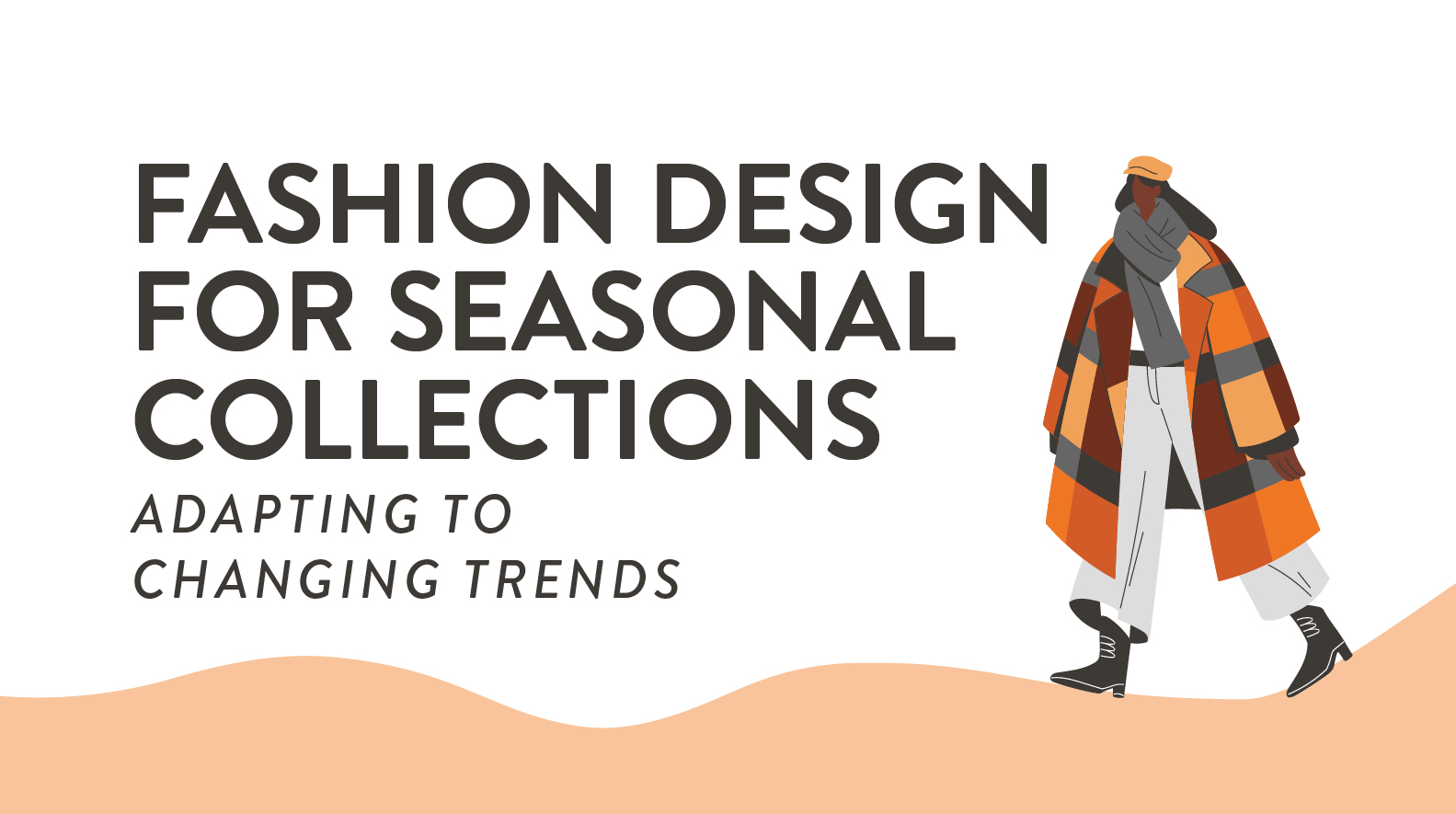
Different seasonal collections have the opportunity to highlight different materials and seasonal color palettes. These colors and materials may be more deeply rooted in long standing style traditions beyond just utility. Designers and consumers alike tend to associate certain colors with certain seasons. For example, Fall fashion trends often utilize colors like yellow, orange, and brown mirroring the change in color of that season.
Additionally, we may have cultural associations with certain materials and patterns for a season like Fall, such as flannel. While the link between different textiles to the season may be less obvious it is no less important. These aforementioned fabrics have a long and storied history being worn by many farmer workers in rural communities. By utilizing flannel patterns, fashion designers can invoke themes of autumn harvest to imbue new styles with familiar seasonal staples.
The Importance of Layering and Functionality
When releasing a new design, many fashion designers create a synergy between different pieces in an attempt to encourage consumers to purchase entire outfits of the rack. As such the different articles need to create a cohesive style that looks good on the human form. Layering happens when multiple items are worn on the same area of the body creating a unique silhouette. This can mean a t-shirt, a hoodie, and a jacket can all be layered to give the torso a stylish look.
Designers may create pieces that are designed to be layered particularly, in the Fall/Winter seasonal collections when it is colder. Creating articles that are not only conducive to layering but actually pair well is a great opportunity for designers to curate whole outfits. Layering is one of those seasonal fashion trends that comes back year after year as it also gives consumers the autonomy to mix and match their closet as they see fit.
Balancing Timeless Pieces with Trend-Driven Styles
While many design houses enjoy the challenge of not only chasing what’s trendy but determining it, many other businesses think adapting fashion to trends compromises their unique style as a brand. Opting instead for a timeless look, many designers aspire to create articles that are designed to be worn for years to come. Other designers opt to combine trendy and timeless styles to create something modern yet classic. Seasonal fashion trends may align well with a brand’s staple articles and can even provide unique twists on trademark items.
While there is no right answer to which trends are worth chasing and which pieces of fashion will become timeless, designers can use fashion principles, forecasting techniques, and their intuition. It takes hundreds of hours and multiple seasons for fashion designers to find their voice and strike the balance between what is new and exciting, and what is familiar and reliable.
Is this the Season you Dive into Fashion Design?
Are you passionate about Spring/Summer fashion collections? Do you care about the hottest catwalk trends? What about trending patterns and textures? If so, consider learning more about the world of Fashion Design at Rocky Mountain College of Art + Design (RMCAD). Our fashion design program is available both online and in-person, offering many ways to develop and refine your fashion philosophy. Reach out to learn more and get started today!
Popular Fashion Design Articles:
- What Are the Different Types of Fashion Designers?
- Building a Capsule Wardrobe: Lessons for Fashion Designers
- The Evolution of Streetwear: From Subculture to High Fashion
- The Influence of Vintage Fashion on Contemporary Collections
- Upcycling in Fashion Design: Creating New Looks From Old Garments
- Accentuating Accessories: The Art of Completing a Look