
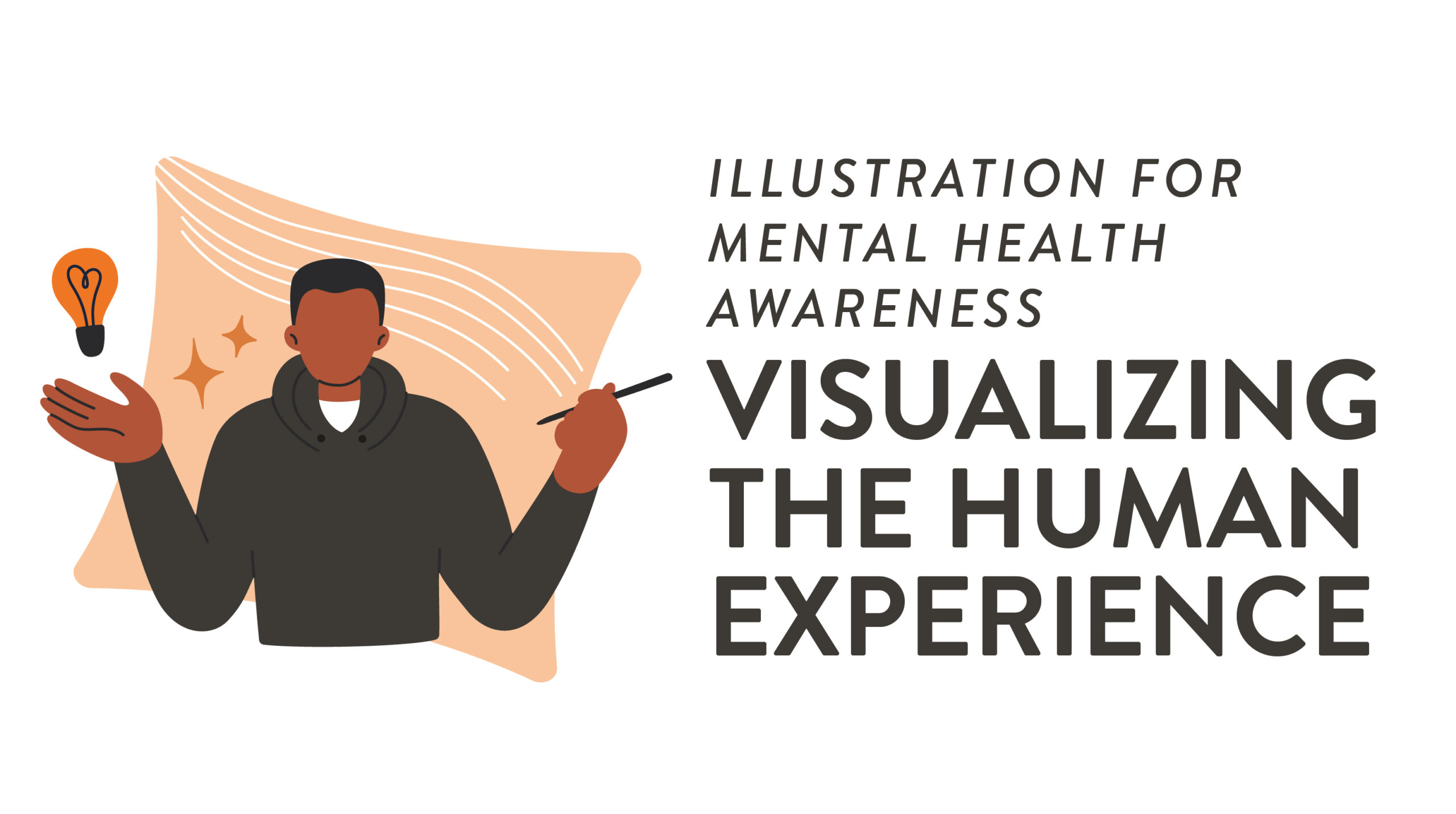
Illustration has the unique capacity to combine artistry with storytelling, making complex or sensitive topics more approachable. In mental health awareness campaigns, it can spark empathy, break down barriers, and encourage people to seek help. Whether through vibrant posters or social media graphics, visual storytelling can humanize mental health issues in ways that statistics or clinical language alone often cannot.
The Power of Visual Storytelling in Mental Health Campaigns
Human beings are wired to respond to visual stimuli. Our brains process images far faster than text, and illustrations can capture feelings that words might struggle to convey. In mental health campaigns, this means that an image can evoke empathy and understanding before a single word is read.
Why Illustrations Connect on an Emotional Level
Mental health illustrations can help to soften difficult truths, making them easier to approach. For example, a hand-drawn image of a person sitting in a storm of clouds might resonate more than a clinical description of depression. By bypassing intellectual defenses and tapping directly into emotion, illustrations allow audiences to feel first and think second – a crucial step in building compassion.
Using Art to Make Mental Health Topics More Accessible
Mental health terminology can be daunting or alienating, especially for those unfamiliar with it. Illustration helps translate these concepts into something tangible and relatable. A drawing of a tangled ball of yarn, for example, can effectively depict anxiety without needing a dense explanation of its physiological effects.
This accessibility that illustration brings to mental health is particularly important for younger audiences, people with limited literacy, or those from different cultural backgrounds. Art can serve as a universal language, helping people recognize their own experiences in what they see and feel included in the conversation.
Encouraging Conversations Through Visual Narratives
An illustration is not just a static image – it can be the beginning of a dialogue. Campaigns often use series-based artwork to tell a story over time, such as showing a character moving from isolation toward connection. These visual narratives encourage viewers to discuss the emotions depicted, share their own stories, or seek resources.
When people see their struggles reflected in mental health awareness artwork, they feel less alone. And when these visuals are shared, whether in public spaces or on social media feeds, they invite broader engagement, making mental health a community conversation rather than a private struggle.
The Role of Illustrators in Mental Health Advocacy
Illustrators bring more than just technical skill; they offer an interpretive lens, turning clinical facts or advocacy goals into imagery that resonates with the public. This allows the art to become a visual identity for the movement.
Creating Campaign Art for Nonprofits and Organizations
Nonprofits and advocacy groups frequently rely on illustrators to develop compelling visuals that support their mission. This could include mental health awareness poster series, informational booklets, event branding, or merchandise like pins and tote bags that carry the campaign’s message into everyday life.
Collaborating with Therapists and Mental Health Professionals
The most effective mental health poster illustration work is grounded in accuracy. Many illustrators collaborate closely with psychologists, counselors, or psychiatric organizations to ensure their work reflects lived experiences and avoids misinformation.
For example, a mental health nonprofit might pair an illustrator with a therapist to create a visual guide on coping techniques for anxiety. The therapist ensures the strategies are clinically sound, while the illustrator ensures the presentation is emotionally engaging and easy to digest.
Designing Educational Materials and Social Media Content
From Instagram posts to school program infographics, illustrators create educational materials that are both visually appealing and instructive. A well-designed mental health awareness graphic on social media can stop someone mid-scroll, delivering a message that sticks in their mind long after they’ve logged off.
Educational illustration isn’t just about prettiness – it’s about clarity, relevance, and emotional connection. An illustrator’s challenge is to package important information in a way that compels people to read, share, and act. This brings an illustrator’s message off the page and into the daily lives of those they reach, furthering their impact.
Key Illustration Techniques for Mental Health Awareness
Illustration has a unique power to spark conversations and make difficult topics more approachable. When it comes to mental health awareness design, thoughtful visuals can destigmatize, create empathy, and connect with audiences on a personal level.
Using Color Psychology to Evoke Emotions
Color psychology is one of the most immediate tools an illustrator has to influence mood. Soft blues and greens may convey calm and safety, while muted grays can suggest melancholy or isolation. Strategic use of warm colors can inject hope or highlight moments of connection.
Color choices must be intentional. A campaign addressing grief might use gentle, desaturated tones to reflect solemnity, while one promoting self-care might lean into warm, uplifting hues to encourage optimism.
Symbolism and Metaphors in Mental Health Art
Symbolism allows illustrators to communicate layered meanings. A cracked teacup can symbolize fragility; a ladder leading out of a deep pit can represent recovery. These visual metaphors help people relate to mental health experiences even if they haven’t lived them personally.
Metaphor also protects the viewer, and sometimes the creator, from overly literal depictions that could feel invasive or triggering, while still honoring the truth of the subject.
Combining Text and Illustration for Impactful Messages
Pairing concise, powerful text with imagery can create an emotional one-two punch. Short affirmations like “You’re not broken” or “It’s okay to ask for help” take on greater meaning when paired with a visual metaphor.
Typography becomes part of the art for mental wellness, with hand-lettered phrases adding intimacy and authenticity. The harmony between image and words can transform a simple idea into something unforgettable.
Case Studies: Effective Mental Health Campaigns with Illustration
Time to Change Campaign (UK) and Its Illustrative Posters
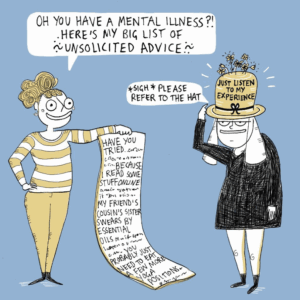 The “Time to Change” initiative in the UK used a mix of illustration and photography to challenge stigma around mental illness. Their social media frequently consists of different illustrations encouraging viewers to open up to others or check in with friends regarding their mental health.
By opting for a mix of illustration, videos, and photography, the campaign softens entry points into difficult conversations, encouraging openness without overwhelming viewers.
The “It’s OK to Not Be OK” Global Campaign Artwork
 This viral phrase has been utilized by countless illustrators worldwide, each bringing their own style and cultural context to the message. From minimalist line drawings to bold, colorful murals, the diversity of interpretations has helped the slogan become universally recognizable.
These artworks primarily spread widely across social media, proving that when a message is emotionally resonant and visually appealing, it transcends borders and languages.
Independent Artists Raising Awareness Through Personal Projects
 Many illustrators take it upon themselves to address mental health in their personal work. Gemma Correll in collaboration with Mental Health America illustrated several posters depicting the unseen struggles of mental health issues.
Some share autobiographical comics about living with anxiety; others create illustrated guides for self-care routines. Many artists such as Sara Riches and Pride Nyasha simply work to depict these struggles within their art.
While not tied to official campaigns, these projects can have significant impact, particularly in online art communities. The personal nature of the work often fosters deep connection and trust between artist and audience.
Tips for Illustrators Creating Mental Health Art
In a world where mental health challenges affect millions, the work of illustrators is not just relevant, it is essential. By telling visual stories that honor lived experience and invite empathy, artists have the power to transform how society sees and supports mental well-being.
Balancing Sensitivity with Creativity
When dealing with mental health topics, it’s essential to balance artistic expression with empathy. An overly stylized or abstract approach might miss the emotional mark while not getting its point across, whereas overly literal depictions could overwhelm viewers. The key is to keep the audience’s well-being at the forefront. Ask yourself, “Will this image comfort, inspire, or educate without causing harm?”.
Researching Mental Health Topics to Avoid Misrepresentation
Misrepresenting a mental health condition, even unintentionally, can reinforce stigma or spread misinformation. Before starting a project, illustrators should read reputable resources, consult professionals, or speak with people who have lived experience (if they are comfortable sharing). This research not only ensures accuracy but also deepens the illustrator’s connection to the work, making it more authentic.
Building a Portfolio that Advocates for Social Change
Illustrators who want to work in mental health advocacy should showcase relevant work in their portfolios. This could include speculative campaign posters, zines, or social media concepts. A strong portfolio demonstrates both technical ability and a commitment to positive social impact, qualities that nonprofits and advocacy organizations value highly.
Challenges in Mental Health Illustration
While illustration can be a powerful tool for raising mental health awareness, it also comes with unique challenges. Artists must navigate sensitive topics with care, avoiding stereotypes or oversimplification, while still creating visuals that resonate.
Avoiding Harmful Stereotypes or Oversimplification
Some visual shortcuts, like the “sad person in the corner” trope, can perpetuate harmful stereotypes about mental illness. While these images might be easy to create, they rarely do justice to the complexity of mental health experiences. Illustrators must strive for nuance, resisting the temptation to reduce conditions to clichés or purely negative imagery.
Finding the Right Tone for Diverse Audiences
A mental health campaign targeting teenagers might use bright, bold illustrations with pop-culture references, while one aimed at older adults may require a subtler, more grounded approach. Understanding the intended audience is key to ensuring the tone is respectful, relevant, and effective.
Creating Art That Inspires Without Triggering
One of the trickiest aspects of mental health art is walking the fine line between honesty and safety. Illustrations that depict intense emotions must be mindful of their potential to trigger distress in vulnerable viewers. Some campaigns address this by focusing on journeys rather than crises, showing moments of hope, support, and recovery alongside depictions of struggle.
Illustrating Wellness
Illustration is far more than decoration in mental health advocacy – it is a bridge between complex realities and the human heart. By combining emotional resonance with accessibility, illustrators can help dismantle stigma, spark conversations, and inspire action.
From color choices that soothe or energize, to metaphors that encapsulate profound truths, every artistic decision shapes how audiences perceive and engage with mental health topics. When done thoughtfully, illustration becomes more than art; it becomes activism.
Make an Impact Through Illustration
Ready to pursue your Bachelor of Fine Arts in Illustration? At Rocky Mountain College of Art and Design, we’re proud to offer this degree both in-person and online to meet your needs. As part of this career-focused program, you’ll have the opportunity to learn key fundamentals of illustration that allow you to reach out and connect with any audience.
Reach out to learn more about this program, or take the next step by completing your online application today.