
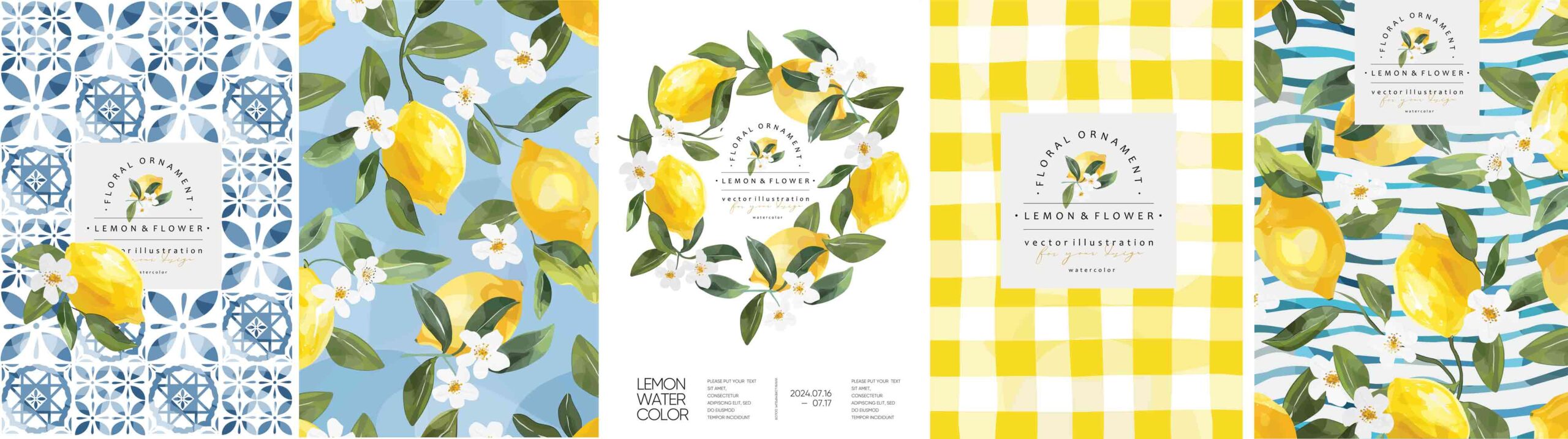
Packaging serves a purpose, containing and protecting a product, but packaging is also a marketing and branding opportunity. With the right vision, packaging becomes a canvas that tells a product’s story before it’s even opened. Understanding how to design packaging and come up with creative packaging ideas requires a designer to consider form, function, brand and beauty. Designers must combine these concepts to deliver attractive, custom packaging solutions that serve multiple purposes, like protecting and advertising a product, while highlighting the brand and creating an experience to delight the consumer. With illustrative packaging design, packaging becomes a storytelling medium and branding powerhouse.
Packaging as a Storytelling Medium
Illustrative packaging design leverages core visual elements, such as illustrations and original artwork, to communicate a brand’s story and identity, while endowing a product with a personality that fosters emotional connections with consumers.
Why Illustrative Packaging Resonates With Consumers
Illustrative packaging evokes consumer curiosity and resonates with consumers in several ways, including:
- Captures attention
- Conveys a distinct brand
- Creates brand identity
- Tells a unique story
- Communicates brand values
- Appeals to personal taste and values
- Supports perceived credibility and builds brand trust
- Increases sharability on social media
Additionally, neural research has shown that aesthetic experiences in packaging design activate the brain, increasing decision-making time and leading consumers to consider products from lesser-known brands at higher price points.
First Impressions and Emotional Connections
Consumers often discover products when they see them on the shelf, meaning packaging is responsible for most initial impressions. Brands can evoke specific memories and emotions with consumers by deploying thoughtfully created illustrations, colors and typography on their packaging.
The Power of Illustration in Packaging Design
Customers fully experience packaging every time they interact with it, giving it the highest return on investment of all branding strategies. Creative product packaging that leverages illustration and storytelling while staying ahead of packaging design trends has a more significant impact.
Differentiating Products on Crowded Shelves
Seventy-two percent of consumers report that packaging influences their purchasing decisions, making packaging a key differentiator between similar products. Having a package that catches the eye and communicates effectively can mean the difference between gained and lost sales.
Building Brand Identity Through Visual Language
Brand identity packaging uses illustrative design elements like imagery, graphics, typography, a logo and a distinct color palette to convey a brand’s personality and values while advertising the product contained inside.
Creating a Memorable Unboxing Experience
With unboxing videos filling social media feeds, package designers must think about illustrative storytelling in terms of their overall unboxing experience design. A memorable unboxing experience can be pleasing to multiple senses: touch, smell, sound, sight and taste (for edible products), using tactics like:
- Sensory engagement with visually striking packaging (eye-catching illustrations, patterns and color choices)
- Tactile, textured or luxurious-feeling materials
- Controlled friction (like the sliding lid of an Apple box)
- Scented packaging
- Auditory elements (like the hiss and pop of a soda can)
Packaging that maximizes sensory details immerses consumers in the unboxing experience and reinforces the memory with positive reward circuits in the brain.
Key Elements of Effective Illustrative Packaging
A successful packaging design process involves careful consideration regarding brand personality, color palettes, typography, illustrations, symbolism and visual metaphor to deliver a powerful visual effect and clear communication.
Color Palettes That Match Brand Personality
A color palette (including hues, saturation and color combinations) should match and complement the brand’s personality. For example, luxury brands typically use monochromatic palettes with shades of black and grey and metallics. Brands trying to convey a sense of minimalism could leverage white and a stripped-down palette. Brands leveraging maximalist design could use a combination of bright colors.
Typography and Illustration Harmony
Selecting the right combination of typography (font and lettering size) and imagery (graphics, photos and artwork) can create a sense of harmony and a visual hierarchy to strategically direct the consumer’s eye.
Symbolism and Visual Metaphors in Packaging
Visual metaphors and symbolism can further strengthen packaging design ideas by quickly and effectively conveying meaning and messaging. However, designers must be mindful of their audience and potential cultural differences in symbolism, as colors often have different symbolic meanings across different cultures.
Techniques for Bringing Packaging to Life
When leveraging packaging as a storytelling strategy, designers must carefully consider the brand, the target audience and the package design techniques they select.
Hand-Drawn vs. Digital Illustration Styles
With both digital and analog tools at their disposal, designers can choose from hand-drawn or digital illustrations for packaging design. Digital illustration can be more convenient, as it is more easily manipulated and scaled for commercial purposes. However, digital illustrations can sometimes feel too perfect and slightly impersonal. Whereas, hand-drawn illustrations enhance texture with brushstrokes and imperfect lines that lend a human touch, creating a sense of authenticity and a more relatable brand personality.
Incorporating Patterns and Repetition
Repetition using shapes, fractals and other repeated design elements can create visual harmony within packaging design. Designers can manipulate and break patterns to create a visual hierarchy that draws the eye to the most important visual elements.
Balancing Minimalism and Detail
Quality package design should prioritize function while balancing the use of negative space and details, using a consistent color palette, consistent typography and high-quality materials.
Sustainability Meets Illustrative Packaging
Packaging waste currently accounts for 61 percent of plastic waste, making eco-friendly packaging design vital to sustainability, future health and conscientious consumers.
Eco-Friendly Materials as Part of the Story
Using eco-friendly materials in package design infuses brand values into a package’s story, creating a tangible touchpoint for consumer connection, customer connection and conversations around sustainability and consumer choice.
Designing for Reuse and Recycling
In addition to selecting eco-friendly materials, sustainable package designs should include information about the package’s recyclability or instructions regarding the package’s upcycling ability. Designing packages with reuse and recycling in mind presents an opportunity to showcase a brand’s creativity. For example, packaging could be printed for reuse as gift wrap or made from seed-infused biodegradable materials.
Global and Cultural Influences in Packaging Illustration
Using global and cultural influences in packaging illustration can highlight a product’s origins or help market it toward a specific global population.
Incorporating Traditional Art Forms
Packaging designers can find inspiration in traditional art forms to infuse a specific culture or time period into a product’s design. For example, selecting a historical style of script, a culturally-relevant motif or a culturally specific art form (such as origami) uses visual elements to instantly place a product within a larger cultural or historical context.
Local Narratives That Add Authenticity
Packaging can also leverage local narratives in visual storytelling to strengthen a product and brand’s authenticity. For instance, incorporating local symbolism, creating space for photos of artisans or highlighting culturally-specific stylistic choices can infuse a product with tradition.
Avoiding Stereotypes and Practicing Inclusivity
When drawing inspiration from cultural influences, designers must be careful to avoid stereotypes and practice inclusivity by representing a wide range of customers. This includes developing cultural sensitivity and even collaborating with local artists to ensure authenticity.
While being culturally sensitive, inclusive packaging design should also be accessible. Designers should strive to create inclusive unboxing experiences by incorporating design elements such as braille (or other textures) while also being mindful of the design’s accessibility for individuals with dexterity issues.
Case Studies of Successful Illustrative Packaging
You can find illustrative packaging design inspiration by studying innovative packaging concepts already on the shelves. Let’s examine some standout examples of illustrative design in cosmetics and lifestyle products, and in food and beverage packaging design. Additionally, we will explore successful collaborations between artists and brands to create limited-edition packaging art.
Food and Beverage Brand Using Illustrative Labels
- Innocent Drinks (UK) – Playful, hand-drawn illustrations and characters give their smoothies and juices a friendly, approachable feel.
- La Colombe Coffee Roasters (USA) – Uses illustrated, story-driven packaging for seasonal blends, adding personality and a crafted identity.
- PangPang Brewery (Sweden) – Features bold, whimsical illustrations by local artists on limited-edition beer cans, blending street art and product design.
- St. Dalfour (France) – Jam jars with illustrated fruit labels communicate authenticity and natural ingredients.
Cosmetics and Lifestyle Products With Illustrated Stories
- Lush Cosmetics (UK/Global) – Known for eco-friendly “naked” packaging and also collaborates with illustrators for limited runs and gift sets.
- Tatcha (Japan/USA) – Uses watercolor-inspired illustrations influenced by Japanese heritage to tell cultural stories.
- Herbivore Botanicals (USA) – Occasionally incorporates botanical illustrations on packaging to emphasize natural ingredients.
- Forest Essentials (India) – Luxury Ayurvedic beauty brand featuring traditional Indian miniature-style illustrations to reflect cultural authenticity.
Limited Editions That Showcase Artist Collaborations
- Absolut Vodka (Sweden) – Famous for commissioning global artists like Keith Haring and Yinka Shonibare to design illustrative bottle editions.
- Starbucks (Global) – Seasonal cups often feature illustrated designs by artists, highlighting local cultural narratives.
- KitKat Japan (Japan) – Collaborates with illustrators for regional limited-edition packaging, blending pop culture and traditional Japanese art.
- Perrier (France/Global) – Partnered with artists like Takashi Murakami to create vibrant, illustrative designs for special bottles and cans.
Practical Tips for Designers
While drawing inspiration from successful global brands and applying foundational design and storytelling concepts, illustrative designers can consider the following strategies to improve their designs, gain experience and identify more packaging design opportunities.
Collaborating With Illustrators and Artists
Illustrative packaging design relies on a collaboration between packaging designers, illustrators, graphic designers and artists. Collaborating with local artists not only supports the art community but can also help illustrative packaging designers achieve the look and style that is most appropriate for a specific client’s brand and product.
Testing Concepts With Target Audiences
Effective packaging design also relies on an extensive research and testing process. Designers must understand the target audience, analyze the competition and clearly understand the brand’s identity. A designer should then create several concepts that can be tested and refined before selecting the final design.
Building a Portfolio of Packaging Illustrations
To gain experience and attract more opportunities for packaging design, aspiring illustrative designers should prioritize the creation of a packaging portfolio. A portfolio can include examples from personal projects and previous work. Include examples from a wide range of industries and brands to appeal to a large group of potential clients or focus on a specific industry, brand type or product to appeal to a niche group of potential clients.
Packaging as a Creative Canvas
Packaging no longer serves a purely functional purpose. It has now become an unmissable opportunity for branding, marketing and storytelling, and failing to leverage illustrative design in packaging means losing sales to more attractive competitors.
Why Illustrative Packaging Is Here to Stay
Illustrative packaging provides a platform for instant brand identity, powerful storytelling, product differentiation and invaluable customer connection.
Inspiring Designers to Think Beyond Functionality
Thinking beyond functionality, illustrative design supports creative product packaging inspiration that draws from a brand’s identity and its target audience to improve perceived value, brand trust and consumer connections.
Powerful Packaging Begins With Expertise in Illustrative Design
If you are looking for practical applications for your skills and interest in illustration, illustrative packaging design is a productive avenue to pursue. Studying to earn an illustrative design degree will provide you with the opportunity to develop your skills further, learn new techniques, develop your creativity and acquire practical illustrative design business knowledge.
Whether you study on campus or on the road through an online degree program, Rocky Mountain School of Art + Design (RMCAD) offers flexible options for earning your Bachelor of Fine Arts in Illustrative Design. To learn more about studying illustrative design at RMCAD, we welcome you to request more information today.