Teaching art outdoors transforms learning by allowing students to draw inspiration from and connect creatively with the natural world. While the benefits of outdoor learning environments can be rewarding in art class, deepening artistic expression, strengthening observation skills, and promoting environmental stewardship, challenges also come with making art outside the classroom walls. Art teachers should be aware of both to enhance learning experiences in a safe and inclusive environment.
Defining Outdoor Art Education
Outdoor art education is the practice of teaching about art in an outdoor environment. Outdoor art education can include both creating and appreciating art outdoors.
What Counts as an Outdoor Classroom?
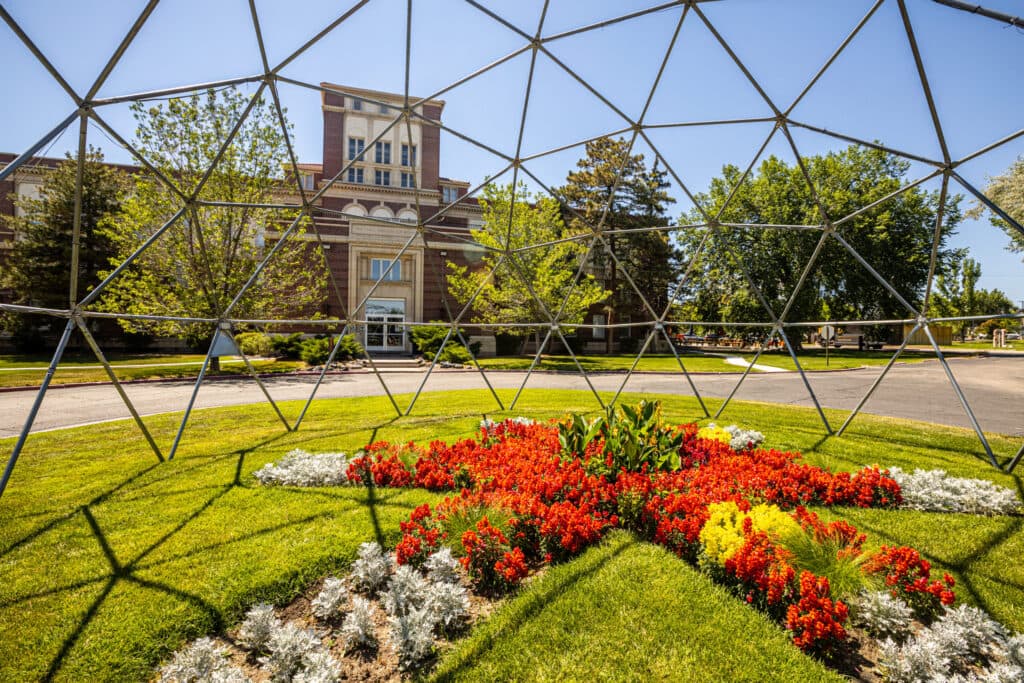
An outdoor classroom can be any environment outside, including both natural or designed outdoor spaces, that supports creative exploration. Outdoor classrooms can be parks and other urban spaces, gardens, forests, beaches, playgrounds or campuses.
Learning Outcomes for Studio, Design and Interdisciplinary Courses
While introducing concepts like site-specific design and environmental awareness, outdoor art education helps reinforce art concepts taught inside traditional studios, such as composition, observation and material experimentation. Studying art outdoors provides the opportunity for interdisciplinary courses, where students can explore ecology or wildlife through activities such as field sketching or found-object sculpture.
Aligning Standards and Objectives Outside
Removing the art studio’s walls does not equate to removing structure, discipline or academic rigor. Teachers should ensure their outdoor activities align with their lesson plans and correspond to traditional teaching standards, mapping technical skills, critical analysis and problem-solving.
Planning, Safety and Logistics
Of course, outdoor classrooms have different concerns and logistical challenges compared to traditional art studios.
Site Selection, Permits and Insurance
Selecting an appropriate site requires teachers to consider terrain, amenities (restrooms, seating and shade) and accessibility. Additionally, public parts and private properties require permits, permission and use agreements. Additionally, teachers should ensure their institution’s insurance extends beyond the school grounds.
Risk Assessment, First Aid and Emergency Protocols
Before moving the class outside, perform a thorough risk assessment. Look for potential hazards like uneven ground, bodies of water, allergens, wildlife or environmental exposure. Pack a first aid kit and ensure you’ve been trained to use it. Create emergency protocols like communication, contact lists and meeting points.
Weather Plans, Seasonal Calendars, and Contingencies
Outdoor learning schedules must be flexible due to the unpredictable weather. Plan according to weather norms in your area, monitor forecasts and have a contingency plan in place for when conditions are unsafe or not conducive to outdoor art.
Materials and Media for the Field
Besides special planning, outdoor art requires special equipment and supplies.
Portable Kits: Easels, Boards, Sketchbooks and Carriers
Mobility is a crucial consideration for outdoor art. Students will need portable art supplies and equipment, including lightweight easels or collapsible drawing boards, sturdy sketchbooks and compact carriers. Encourage students to bring only absolute essentials. When teaching outdoor mobile photography classes, it is essential to consider equipment protection and camera battery management.
Weather-Resistant Papers, Inks and Grounds
Durable materials that can withstand the elements (moisture, wind and temperature changes) are also essential. Heavier mixed media or watercolor paper resists warping, and quick-drying paints or waterproof inks are suitable for wet or humid environments.
Natural Pigments, Found Materials and Eco-Safe Alternatives
Working in nature gives students the opportunity to feed and work with found materials. For example, creating natural pigments from the soil, leaves or flower petals and using objects like sticks or rocks to apply media or experiment with found object sculpture.
Instructional Strategies and Assessment
As with in-classroom lessons, a teaching strategy is essential to a successful lesson and objective assessment.
Demonstrations, Stations and Rotations
Teachers can anchor each lesson with a quick demonstration and organize the lesson around rotating outdoor stations. This helps maintain student engagement and peer-based learning.
Rubrics for Process, Observation and Final Works
A teacher checklist for outdoor art activities should include a comprehensive, age-appropriate rubric that recognizes the tangible and intangible elements of outdoor art learning. Rubrics should include evaluation for technical skills, finished work, observation, experimentation and the student’s response to the environment.
Reflective Journals, Field Notes, and Critique Circles
Art teachers can deepen their students’ learning by connecting outdoor sensory experiences with their artistic intent and creations. Ask students to keep journals and field notebooks where they can record their feelings, experiences, observations, discoveries and insights.
Accessibility, Inclusion and Student Support
Art teachers moving the classroom outside must strive to achieve an inclusive pedagogy, considering all students’ abilities, backgrounds and experiences and learning needs.
Universal Design for Learning Outdoors
Outdoor art lessons will shine when they are intentionally inclusive. Structuring lessons around the Universal Design for Learning (UDL) principles, representation, action, and expression and engagement, ensures all students can engage with the content of a lesson with several means of participation, clear instructions, flexible assignments, and choice-based projects.
Mobility, Sensory and Neurodiversity Considerations
When selecting outdoor classroom sites and designing activities, teachers should anticipate a wide range of physical and sensory needs. Look for smooth walkways, accessible rest areas and proximity to transportation. Additionally, teachers should provide noise-reducing headphones, built-in quiet zones and create predictable routines for neurodiverse students.
Partnering With Campus Disability Services
Partnering with campus disabilities services, when available, helps instructors design inclusive lessons and access disability accommodations to ensure inclusive outdoor learning experiences for all students.
Environmental Ethics and Community Relations
The outdoor art classroom is the perfect location for introducing students to the concept of environmental ethics in art while instilling a sense of community, respect and responsibility.
Leave No Trace Practices for Art Classes
Practicing “leave no trace” principles in outdoor art classes models responsible and respectful behavior in the outdoors. These principles encourage minimizing one’s footprint, packing out materials, not disturbing habitats and natural structures and using non-toxic, biodegradable art supplies.
Cultural Sensitivity and Land Acknowledgment
Art teachers should also situate their creative practices and lessons within the historical and cultural contexts of the land where their outdoor classroom is located. This might include incorporating a land acknowledgment at the beginning of a class to honor local indigenous communities and their connections to the land.
Working With Park Rangers, Stewards and Neighbors
Collaborating with conservation stewards, park rangers and your neighbors ensures positive ongoing relationships, safety and continuing permissions for your outdoor classroom.
Weather, Heat and Cold Management
In outdoor art classrooms, students must be prepared for the elements.
Shade Structures, Hydration, and Sun Safety
In hot, sunny weather, sunburn and dehydration are concerns. Prioritize shade at your locations, pack sunscreen and hats and ensure students have plenty of water to stay hydrated.
Wind, Rain and Cold-Weather Layering Systems
In cold, wet or unpredictable weather, be sure students are prepared to adapt. Pack clamps, weighted easels and umbrellas. Be sure students wear a base layer, insulating layer and a waterproof layer to stay warm and dry.
Protecting Wet Media and Electronics
The outdoors introduces moisture, dust and sometimes extreme temperature changes which can damage electronics and make it challenging to work with wet media. Bring quick-drying, water-resistant materials, sealable containers and portfolios and pack the appropriate protective gear for electronics.
Technology and Documentation
With proper preparation, a variety of technology tools and documentation strategies can further enhance outdoor art education.
Mobile Capture, GPS Sketch Mapping and Audio Notes
Students can use mobile technology to map their art to specific GPS locations, capture real-time images of changing light or take voice memos to capture sensory impressions.
Offline Reference Libraries and Battery Planning
Outdoor classrooms often lack power and connectivity. Students should prepare by downloading or bringing analog copies of any reference materials (art examples, color guides or anatomy charts) they may need, or they can download materials and plan to conserve battery power.
Sharing Work: Class Blogs, Social and Exhibitions
Teachers can extend learning beyond the outdoor classroom by organizing opportunities for sharing artwork through classroom blogs, social media groups or school-sponsored art exhibitions.
Interdisciplinary Opportunities
Outdoor art teaching presents numerous opportunities for integrating art education with other disciplines, creating an even richer educational experience.
Science and Ecology Sketchwalks
Outdoor art education intersects with scientific observation of the natural world (rock formations, plant growth patterns and wildlife), promoting science education through art on ecology sketchwalks.
Urban Design, Architecture and Public Space Studies
Outdoor classrooms in urban environments align easily with studies of built environments, architecture, city planning and public design.
Mindfulness, Well-Being and Arts Integration
Nature-based art education supports mental focus, emotional well-being and mindfulness practices through the restorative practices of making art and spending time in nature.
Case Studies: Global Perspectives
For outdoor art teaching inspiration, educators can draw inspiration from global case studies and examples.
United States, Colorado: South Platte River Greenway Field Studio
Lots of site-specific art (murals, sculptures and street art) call Denver, Colorado’s RiNo (River North) Art District home. Adjacent to the South Platte River Greenway, the area hosts plein air painting classes and community art workshops in urban sketching.
Scandinavia: Forest School Sketch Labs and Nature Journals
A type of preschool, forest schools originated in Scandinavia in the 1950s. These early childhood learning environments focus on nature-based learning through playing, exploring and learning in outdoor, forested environments with hands-on activities. The concept can be applied to outdoor art education with observation drawing in field journals in wooded areas.
France: Plein Air Traditions in Parks and Coasts
Plein air painting (outdoor painting) has a deep tradition in 19th-century French painting. The Impressionists moved their studios outdoors to capture fleeting moments in nature.
Japan: Satoyama Community Art and Seasonal Studies
In Japan, large-scale outdoor art festivals are being used to revitalize communities by drawing in crowds with art that enhances natural landscapes with elements of local culture.
Australia: Bush Classrooms and Coastal Field Studios
Australia’s schools have taken inspiration from Scandinavia’s forest schools, introducing bush classrooms and coastal field studios where children learn, explore, play and make art in Australia’s diverse outdoor environments.
Kenya: Community Murals and Park-Based Workshops
Kenya has a vibrant outdoor art scene in local parks with a host of educational community murals created by children to raise awareness about health, peace, cultural identity and social issues. Additionally, the country combines art and environmental education with plein air art classes centered around wildlife viewing, appreciation and conservation.
Brazil: Urban Nature Corridors and Riverbank Drawing
The tradition of riverbank drawing within Brazil’s urban nature corridors combines the study of art and ecology. Additionally, Brazil has a tradition similar to that of Scandinavia’s forest schools, the Quintais Bricantes (playful backyards) educational movement, which takes children outside to learn about nature through art and other activities.
Budgeting and Funding
As with all art programs, outdoor art classes cost money. Teachers should understand how to budget and pay for these excursions.
Grants, Partnerships and In-Kind Support
Sustainable outdoor art programs require secure financial resources. Educators can pursue grants from environmental organizations, arts councils and educational foundations or work to create partnerships with local parks, community groups and museums. The safest programs have multiple funding streams.
Transport, Storage, and Equipment Lifecycles
Educators should anticipate costs associated with transportation to outdoor locations, in addition to purchasing, replacing and storing equipment, materials and supplies.
Cost-Share Models and Student Fee Transparency
Art teachers can also leverage cost-sharing models, which enable participation through student fees and the use of student-supplied materials. These expenses and supplies lists should be clearly communicated to students before a course begins.
Spread the Joy and Beauty of Art Through Teaching
Art education fosters creativity, supports freedom of expression and develops alternative communication methods in students. You can learn to ignite a love of art appreciation and art creation in your future students by studying art education at Rocky Mountain School of Art + Design. Through our on-campus and online programs, students study a variety of topics, including art and practical teaching skills, curated to inform and support a career in art education while completing the coursework and requirements to earn a Bachelor of Fine Arts in Art Education.
To learn more about studying art education at RMCAD and start your future today, we welcome you to request more information.
FAQs: Teaching Art in Outdoor Environments
Q1: What classes adapt best to outdoor teaching?
Drawing, painting, photography, sculpture with found materials and design research thrive outdoors. Start with observation-heavy units, then add media complexity.
Q2: How do I manage safety and liability off campus?
Conduct site risk assessments, secure permits, carry a first-aid kit, set buddy systems, share maps and contacts and file trip plans with your institution.
Q3: What if the weather changes mid-class?
Use a tiered plan: relocate to sheltered areas, shift to dry-media studies or move to an indoor backup. Build “weather windows” and micro-assignments into the syllabus.
Q4: How can I make outdoor art accessible for all students?
Choose accessible paths, provide seating supports, adapt tool grips, offer quiet zones and sensory breaks and share alternative documentation options.
Q5: Which materials are eco-friendly for outdoor use?
Eco-friendly art materials include water-based inks, low-VOC paints, refillable markers, recycled papers and natural pigments. Pack out all waste. Avoid solvents and microplastic-shedding tools.
Q6: How do I assess learning outside the studio?
Combine formative check-ins, field notebooks, process photos and a final portfolio. Evaluate observation, iteration, craft and reflection against clear rubrics.
Q7: Do I need special permission to teach in parks?
Often, yes. Contact local authorities for group-use permits, learn site rules and confirm insurance requirements before scheduling recurring sessions.