
The history of animation dates back, arguably, to ancient times — when cave paintings observed in firelight took on life-like qualities. Fast-forward to the so-called “Golden Age” of animation throughout the mid-1990s, and contributions from figures like Walt Disney took the world by storm with incredible hand-drawn animations.
Today, although computer graphics (CG) dominate the animation world, aspiring animators still benefit from honing the foundational skills and techniques that so many famous animators perfected during the Golden Age. If you’re thinking about going into animation as a career, understanding the dynamic nature of this profession and the skills you’ll need to stay on top of animation industry trends could set you up for future success.
Understanding the Changing Landscape of Animation
Just as the introduction of computer graphics transformed the animation industry back in the 1990s and early 2000s, the same can be said of recent tools and technologies that are changing the landscape of the field.
The Impact of Technology on Animation Careers
Today, advancements in technology have led to a greater demand for animators who know how to leverage the latest skills and techniques. For example, as virtual reality and augmented reality increase in popularity, animators may benefit from knowing how to create AR/VR experiences that cater to today’s users.
Meanwhile, as social media content fuels a demand for concise and highly engaging content that packs a punch, animators must also look for ways to capture their audiences with short and eye-catching animations.
Expanding Career Opportunities
Despite recent advancements in animation technology that are automating some of the work, the reality is that these new trends have also led to fresh opportunities for work in the field. Today, animators can specialize in any number of niche areas, ranging from 3D animation to AR, VR and even stop animation.
And, according to data from the Bureau of Labor Statistics (BLS), the demand for animators and special effects artists remains steady, with an estimated 4 percent projected growth between 2023 and 2033 alone.
Core Skills Every Aspiring Animator Must Learn
Whether you’re interested in motion capture animation, animation for games or any other niche in the field, there remain some core competencies that aspiring animators should have to overcome challenges and embrace opportunities in this field.
Drawing and Storyboarding Foundations
Even when using digital animation programs and automated tools, a solid foundation in drawing and sketching is a must. From sketching out basic scenes to developing new characters, having some basic drawing skills under your belt is critical as an animator.
The same goes for storyboarding abilities, as today’s animators aren’t just responsible for turning somebody else’s ideas into animation. They’re the ones coming up with innovative ideas and crafting the narratives that capture the attention of the audience.
Animation Software and Tools
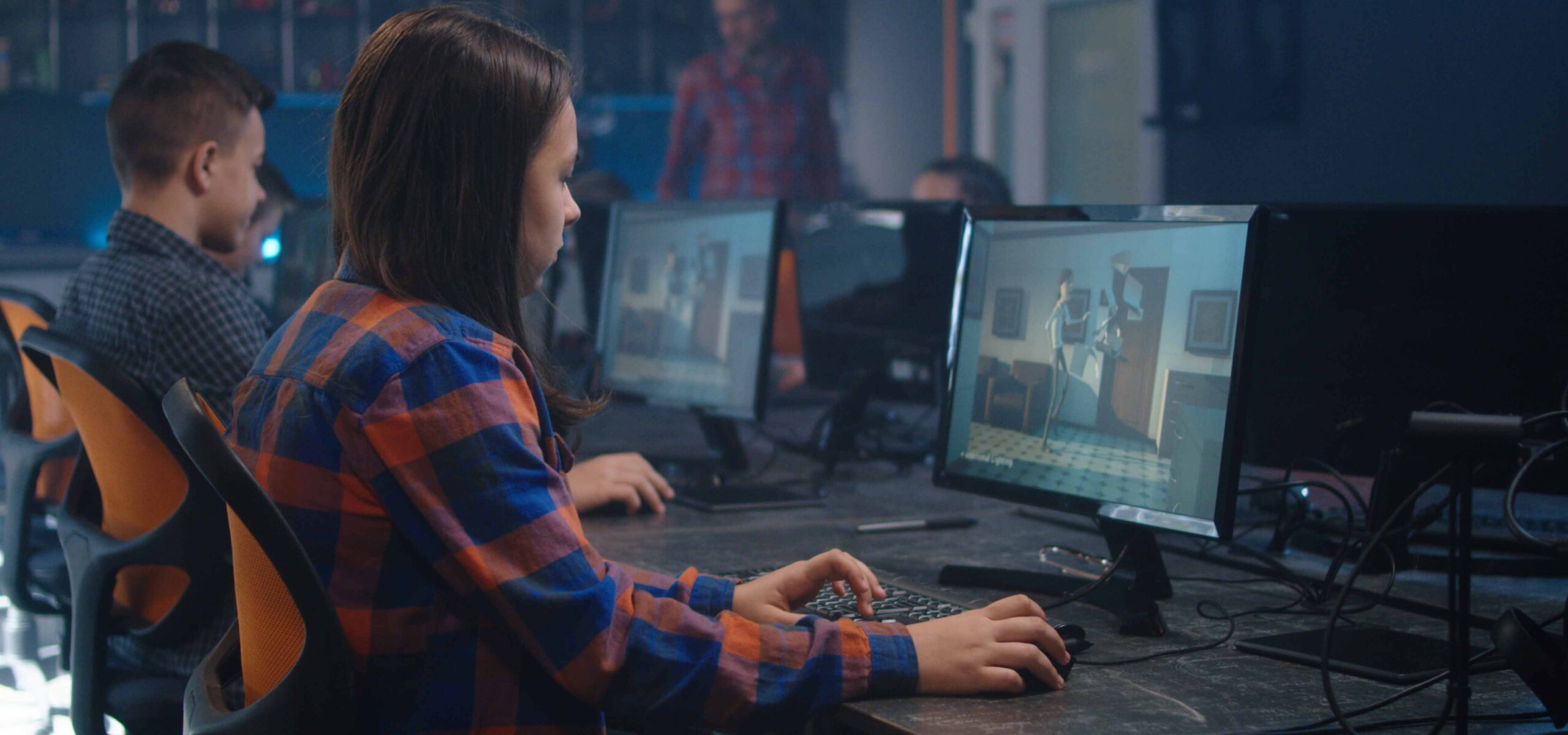
Animators must also be proficient in the use of different digital software platforms and tools used by industry professionals. As part of their formal education and training, aspiring animators may have the opportunity to gain hands-on practice with animation tools for students that can prepare them for real-world work in the field. Some examples of common animation software for students to explore include:
Understanding Timing, Movement and Physics
One of the most important skills animators can learn is how to utilize timing, movement and physics to create movements that are realistic and believable to the audience. This is a skill that requires a great deal of practice and trial and error. However, when animators know how to create dynamic movements based on their comprehension of timing and physics, the results are remarkable.
Integrating Emerging Skills Into Animation Education
As the demand for skills continues to evolve across the animation industry, animation education programs must also revisit and adapt their animation classes online to ensure that their curricula reflect the current needs of the workforce.
Storytelling Across Platforms
Many of today’s animation courses online are now including coursework on transmedia storytelling, which requires animators to create engaging narratives that flow seamlessly across different platforms (such as social media, VR, video games and beyond). By incorporating elements of transmedia storytelling, aspiring animators can be prepared to truly captivate and engage audiences in new ways.
Collaboration and Team-Based Production
Despite the imagery of an animator working in solitude in front of a computer screen or behind a sketchbook, the reality is that animation is now a more collaborative field than ever before. As a result, students learning animation online or on a physical campus should be prepared for collaboration and team-based projects that offer the opportunity to gain practical experience in working effectively as a creative team.
Discover first-hand how classmates from Rocky Mountain College of Art + Design worked together to form their own award-winning animation startup, Bumpko Studios, drawing upon classroom experience and a dream to create playful and fun animation shorts.
Adapting to Remote and Global Work Environments
Today, as more animation teams collaborate across time zones and even entire continents, animation training programs need to prepare students to navigate remote and global work environments. This may include integrating coursework that requires students to collaborate using digital tools and carrying out aspects of the animation production process in virtual environments.
How Animation Schools Are Evolving
To keep up with changes and advancements across the industry, animation schools are evolving and adapting their curricula in a number of ways. From offering new specializations to leveraging industry partnerships and embracing online learning models, today’s animation programs are preparing students for the nuances of working in the field.
Curriculum Updates and Specializations
Schools offering animation programs should regularly review their curricula to ensure that learning outcomes and coursework align with current best practices and emerging industry trends. As needed, schools may also decide to add specializations that allow students to sharpen their skills in specific areas of the field, such as 3D animation training and 2D animation training.
Industry Partnerships and Internships
The most cutting-edge animation programs also focus on ways to help students gain practical, hands-on experience putting their skills to work outside the classroom. Specifically, these programs strive to establish and maintain partnerships with industry professionals and brands (including animation studios and production companies). Ideally, these same programs should offer students unique internship opportunities where they can gain valuable experience while beefing up their resumes.
Online Learning and Hybrid Models
Long-gone are the days when animation skills were learned exclusively in a physical classroom. Today, many animation programs are embracing online learning and even hybrid learning models to better cater to the changing needs of the modern student. Some animation programs are even offered 100% online, empowering students to build their skills and knowledge from the convenience of a home computer. This flexible learning format can not only improve accessibility, but could also help students pursue an education without putting other areas of their lives on hold.
Preparing for a Lifelong Animation Career
If you’re serious about a career in animation, choosing the right degree program could help you set yourself up with the right technical skills and core competencies. At the same time, building a robust portfolio and staying on top of the latest trends throughout your career can help you remain relevant while standing out in a competitive market.
Building a Portfolio That Stands Out
The right degree program should prepare you with animation portfolio tips to differentiate yourself and your work. Ideally, for instance, your portfolio should highlight not just your technical skills, but your ability to tell a compelling story and appeal to a target audience.
As you craft your professional portfolio, remember that less is more. Rather than including every single piece you worked on during your time in school, it may be best to choose a small handful of your best pieces and let them speak for themselves. Likewise, be sure to include work that demonstrates your proficiency in a wide range of animation techniques and styles.
Staying Current With Trends and Tools
Remember, too, that even once you’ve graduated with your animation degree, the field never stops changing. As you progress in your career, it will be your responsibility to stay on top of the latest industry trends, adapt to new tools and grow as a professional.
For some, this might mean returning to school for an advanced degree. Others may prefer to join a professional association (like the Animation Guild) and stay on top of their news that way. Regardless, having a game plan for staying current will help you stay relevant, even as the field changes around you.
Learn More About RMCAD’s Animation Program
The next generation of animators needs to possess not only core skills such as drawing and storyboarding, but also the ability to tell stories across platforms and collaborate effectively with others. And while it may be true that some 2D and 3D animation skills may be self-taught, aspiring animators can benefit from the structure and rigor of a career-focused animation curriculum.
Specifically, Rocky Mountain College of Art + Design (RMCAD) offers both online and on-campus Bachelor of Fine Arts in 2D and 3D Animation programs to suit the changing demands of the field. In these animation degree programs, students can explore hands-on training opportunities while gaining practical experience in visual storytelling, motion study and more.
Get in touch to learn more about our Bachelor of Fine Arts in Animation program, including our 2D and 3D animation tracks. Ready to take the next step? Complete your online application for admission now.