Public art installations are used all over the world to positively impact communities by supporting economic growth, sustainability, and cultural attachment, and school environments are no exception. When thoughtfully integrated into educational settings, public art has the ability to transform otherwise monotone surroundings into vibrant and inspiring spaces for students, faculty, and staff alike. Beyond simply visual appeal, these installations foster a greater sense of community, pride, and creativity that further drives the true purpose of educational spaces: stimulating effective learning and development.
What Is Public Art in Schools?
Public art in schools can range from classic works such as paintings and photos to more unconventional mediums such as murals, sculptures, and large scale installations. These works are typically placed permanently or semi-permanently (ranging from a few weeks to several years) in communal areas such as hallways, courtyards, libraries or building exteriors. Typically, locations that are most meaningful or most frequently visited on campus are chosen so as to have the most impact on its community, reinforcing shared values and identities.
Forms of Public Art in Educational Settings
Public art in schools can take many forms: murals, sculptures, mosaics, collaborative art projects, and even digital media projects. These artworks may be created by students, faculty, staff, visiting artists, or in collaboration with the broader community. This diversity of mediums and collaborators is what makes public art such a uniquely adaptable tool for enhancing learning spaces.
Who Participates in School Public Art Projects?
Successful public art projects often involve a wide range of participants. Students are typically at the heart of the creative process, working alongside teachers, professional artists, and sometimes even parents or local businesses. These collaborations ensure that the art reflects the school’s culture and values while fostering a sense of ownership among all participants.
Transforming Physical Spaces Through Art
So how is it that a school can transform its campus to fully utilize the benefits of public art? Keeping in mind your school’s preexisting sense of community and symbolism is an important first step. From there, allowing artists to creatively utilize these elements in their own image can be crucial for a long lasting and impactful piece of public art.
Adding Color and Identity to School Buildings
Art can dramatically change how a school building looks and feels. Murals and painted installations add vibrancy to previously dull walls and create a more welcoming environment. Custom art that reflects the student body’s diversity and aspirations gives schools a unique visual identity. RMCAD was able to accomplish this through a two floor hallway and entryway redesign of Rude building accomplished by the students themselves. This redesign was met with enthusiasm from students and the community.
Creating Meaningful Visual Narratives
Public art offers students an opportunity to tell their stories about the school community, its history, and its values. For example, a mural might depict the journey of learning or showcase influential figures from various backgrounds. These narratives foster a sense of continuity and inspire reflection. RMCAD’s own Triboro classroom worked to acknowledge important historical figures who helped foster the RMCAD community with their own classroom mural.
Improving the Atmosphere for Learning
An engaging and visually stimulating environment can positively influence students’ mood and motivation. While keeping in mind color, images, and even interactive displays, research has shown that students in visually enriched settings tend to be more focused and enthusiastic. Public art contributes to a learning atmosphere that supports both academic achievement and emotional well-being.
Building Community Through Public Art
In addition to creating a visually engaging environment, public art works to create a calming and welcoming environment for students of all ages. When students feel safe to be themselves, it allows them to engage more deeply with their education and fully concentrate on their task or assignment at hand. Implementing public art in these spaces helps to build these secure environments in which education can thrive.
Encouraging Collaboration and Teamwork
Art projects naturally promote teamwork, especially when they require collective decision-making and problem-solving. Students learn to communicate ideas, delegate tasks, and support each other. These collaborative experiences mirror real-world scenarios and prepare students for future endeavors. The RMCAD Caravans Redesign was a creative project accomplished by several students on campus who worked together to determine how to best represent RMCAD’s environment and community. It helped teach the students the importance of compromise, teamwork, and problem-solving.
Involving Families and Community Partners
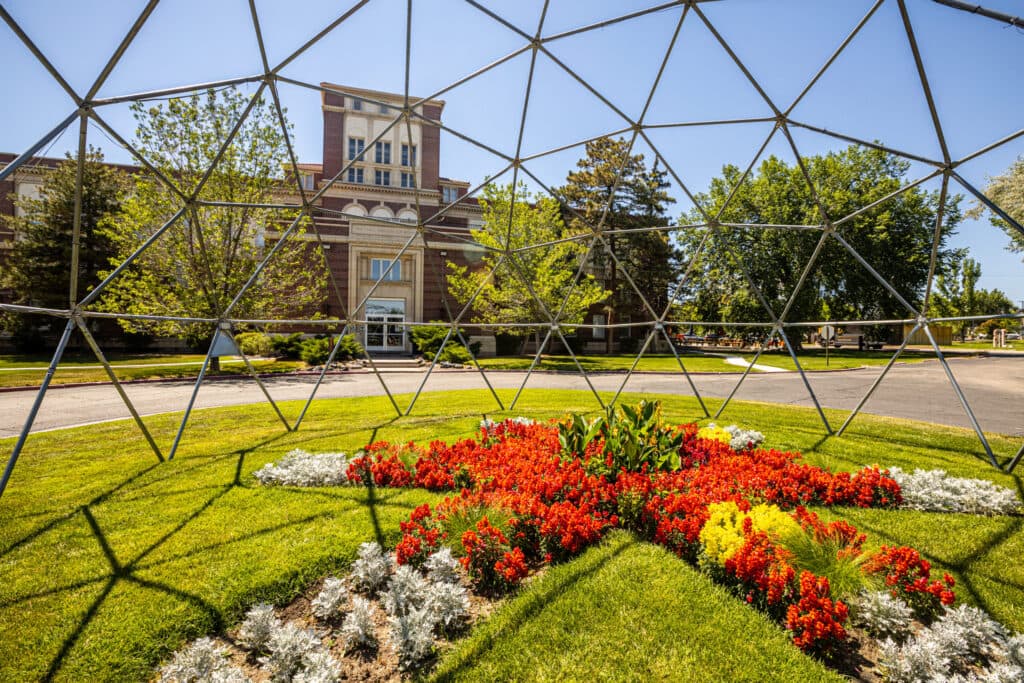
When families and local organizations are invited to participate in public art projects, they strengthen their ties to the school. These partnerships may include volunteering, donating materials, or sharing artistic expertise. RMCAD’s leadership paid homage to its founding families with the Texas Building Steele Family Gallery and the Clark Richert Memorial Z-Space. Such collaborations enrich the project’s scope and deepen community investment.
Fostering School Pride and Belonging
Contributing to a public artwork gives students a sense of ownership and pride. Walking past a mural they helped design reminds them of their capabilities and importance within the school community. This fosters a lasting sense of belonging and strengthens school spirit.
Educational and Developmental Benefits
Public art projects in schools offer more than just visual appeal, they provide valuable educational and developmental benefits. From enhancing critical thinking to fostering teamwork and self-expression, these projects create opportunities for students to grow both academically and personally.
Cross-Disciplinary Learning Opportunities
Public art projects often intersect with subjects like history, science, and literature. Designing a mosaic might incorporate geometry, while a mural on civil rights can lead to rich discussions in social studies classes. These cross-disciplinary links enhance academic engagement and make learning more relevant.
Developing Critical and Creative Thinking Skills
Art challenges students to think deeply and creatively. During the design phase, they must evaluate visual elements, consider themes, and make complex decisions. These activities develop critical thinking skills that transfer across subjects and into everyday life.
Promoting Social-Emotional Growth
Creating art in a collaborative setting encourages empathy, patience, and self-expression. It allows students to explore their identities and emotions while connecting with others. These experiences support social-emotional development, a key factor in overall student success.
Examples and Case Studies
Looking for inspiration? RMCAD has implemented several projects across campus that have helped to improve our sense of community, and inspire creativity every day.
Student-Led Mural Projects
Many schools have found success in student-led mural initiatives. At RMCAD, our ‘Stay Creative’ and Rude Building mural (mentioned above) have seen great success in fostering creativity in students and improving community engagement.
Artist Residency Collaborations
Public art doesn’t always have to involve a physical display. Artist residencies bring professional creatives into the classroom, offering mentorship and expanding students’ artistic horizons. RMCAD’s Visiting Artist, Scholar, and Designer Program (VASD) is an interdisciplinary initiative that brings leading national and international artists, scholars, and designers to speak on campus. The program aims to enrich the academic experience and engage the broader Denver community by providing students, faculty, and the public with direct access to contemporary culture and creative thinking.
Tips for Starting a Public Art Project in Your School
How do you get started with a collaborative art project in your school? It might seem like a big undertaking, but with the right planning and collaboration, it can become a powerful tool for expression and community engagement. Here are a few tips to help you take those first steps with confidence.
Planning and Project Management
Begin with a clear vision and defined goals. Create a timeline, assign roles to each collaborator, and establish a budget. Knowing who you want involved in your project and making sure they are involved early is key. If needed, consider engaging stakeholders and community members as soon as possible to ensure interest and support.
Involving Students at Every Stage
Incorporate student input from the beginning, from brainstorming and sketching to execution and reflection. Students’ influence and inspiration are going to be the heart of the art project that allows it to fully impact the school’s environment and community. The meaningful involvement of students allows the project to retain relevance while reinforcing student agency.
Sourcing Materials and Funding
Looking to take advantage of the benefits of public art but lack the funding or resources? Different avenues of funding can be found through grants, local businesses, or parent-teacher associations. Partnering with local art institutions can also provide additional community or financial support. Consider using recycled or donated materials to reduce costs and emphasize sustainability. This can also help with long-term maintenance and longevity.
Public art in schools is more than decoration; it is a powerful tool for transformation. By enriching learning environments, building community, and promoting holistic development, public art fosters a more dynamic, inclusive, and inspiring educational experience. Whether through a student-painted mural or a collaborative sculpture installation, public art projects remind us that creativity belongs at the heart of education.
Discover A World of Artistic Possibilities
Rocky Mountain College of Art + Design’s campus Fine Arts Program encourages experimentation with traditional and contemporary mediums, including painting, drawing, sculpture, and digital art. Embrace endless possibilities as you bring your distinct artistic vision to life! Discover how RMCAD can help you redefine classic art forms and shape your creative future. Get in touch to learn more or apply today.