
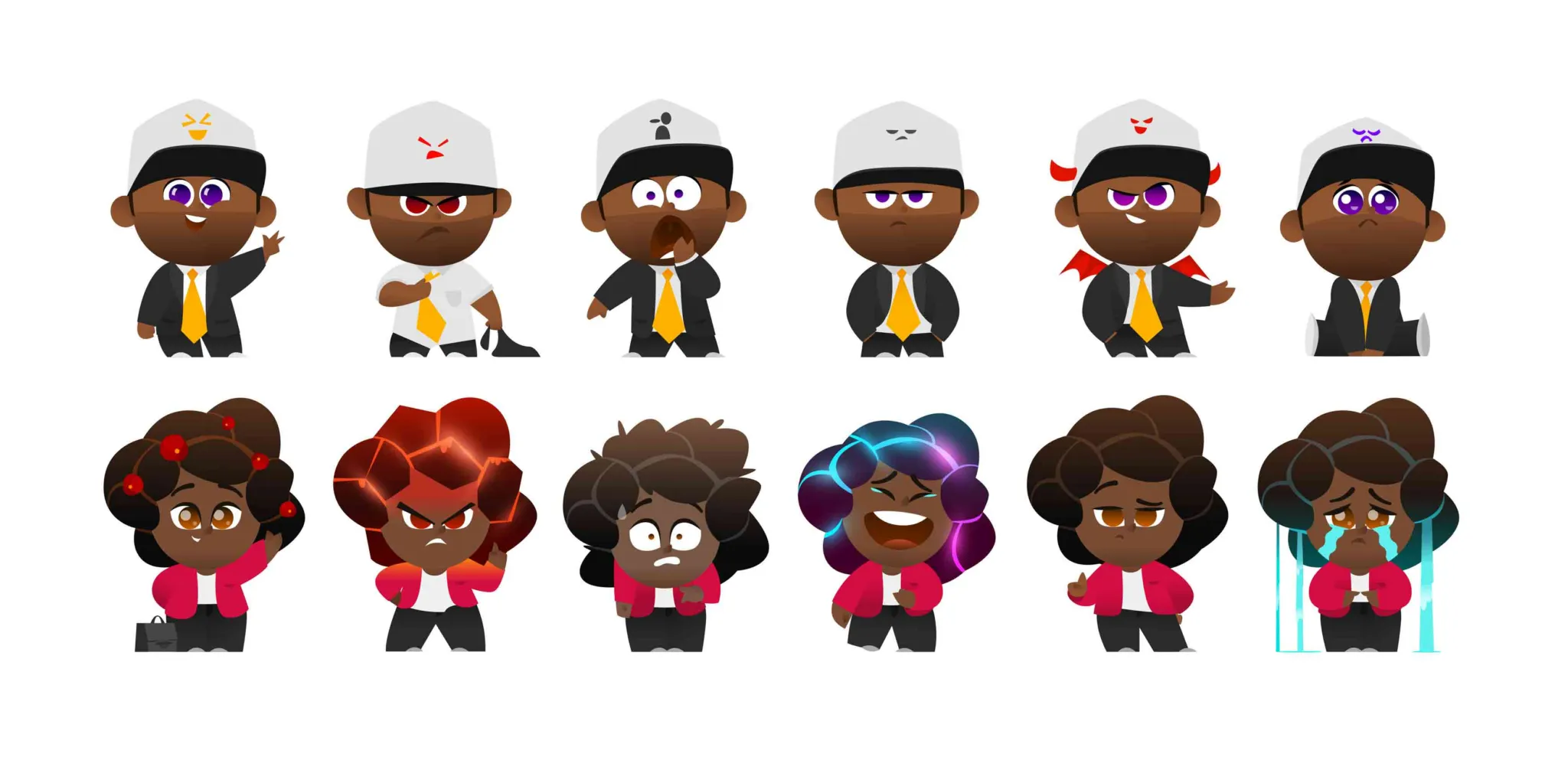
Clean, convincing and captivating dialogue animation doesn’t just match lips to sound; it captures emotion and timing to curate a believable performance. From phonemes(the distinct units of sound in speech) and visemes (the corresponding visual mouth shapes) to subtle acting beats, skilled animators use facial expressions and body language to bring characters to life. Perfecting the art of lip sync animation can transform animated scenes into compelling, memorable storytelling experiences for audiences everywhere.
Start With Performance, Not Just Mouth Shapes
Effective dialogue animation begins with a believable performance from the character. In addition to matching sounds to mouth positions, lip sync animation requires communicating thought, emotion and personality. Animators study timing, posture, facial tension and movement rhythms to create characters with facial animation that feels expressive and intentional — emotionally connected to every line of dialogue.
Why Lip Sync Works Best When Acting Leads the Shot
Audiences notice the character’s emotional truth (their thoughts, feelings, and intentions) before they notice perfect mouth shapes. Working together with dialogue, a convincing performance relies on:
- Body language
- Eye focus
- Pacing
- Facial expression
Strong animators block, or map out primary poses, timing, major movements, and acting choices before refining lip sync to support the character’s intention. This approach to expressive animation yields natural performances that feel alive instead of mechanically timed.
Listening for Emotion, Intention and Beat Changes in Dialogue
To create performances that communicate thoughts and emotions beyond spoken words alone, animators must understand and express the subtext of a character’s dialogue, which contains emotional shifts that influence movement, expression and timing. To identify acting beats within a scene, animators listen carefully for transitions that guide mouth shapes, eyebrow movement, posture and gestures, such as:
- Pauses
- Emphasis
- Hesitation
- Energy changes
Break Dialogue Into Usable Animation Units
Simplifying complex speech into clear, manageable animation choices supports successful lip sync animation. Animators analyze dialogue in layers — identifying sound patterns, timing changes and performance cues that coalesce to create believable communication. Breaking lines into smaller units helps produce cleaner facial animation and more readable character performances for overall stronger acting.
Phonemes, Visemes and the Mouth Shapes That Matter Most
Phonemes for animation are individual speech sounds, and visemes are the mouth shapes that visually represent groups of those sounds. Since many phonemes look similar on screen, animators focus on the clearest and most recognizable shapes, instead of animating every sound literally. Prioritizing readability helps dialogue feel smoother, more natural and more visually appealing.
Stress, Rhythm, Pauses and Emphasis in Spoken Lines
Dialogue has musical qualities that influence animated performance. Stress and emphasis reveal important words, while pauses and rhythm influence pacing and emotional delivery. Animators study these vocal patterns to guide facial expressions, head movement and timing. Making use of animation timing charts, they pay close attention to speech cadence to create characters that appear thoughtful, reactive and emotionally believable during conversation scenes.
Build Clear and Flexible Mouth Shape Systems
An organized mouth shape system, such as a phoneme to viseme chart, helps animators craft dialogue performances that are readable, efficient and emotionally expressive. Instead of treating every sound as unique, they develop reusable shape groups that support smoother transitions and cleaner posing along with stronger consistency across scenes, characters and animation styles.
Core Viseme Groups for Vowels, Closed Sounds and Wide Shapes
Most dialogue animation relies on a small set of essential viseme groups and mouth shapes animation. The foundation of readable speech animation includes mouth shapes that depict:
- Rounded vowel mouth shapes
- Wide-mouth shapes
- Closed-lip sounds
- Tight consonants
Gaining a firm grasp of these core shapes enables animators to communicate dialogue clearly while maintaining appealing facial design and smooth transitions between expressions and spoken sounds.
Simplifying Shapes for Stylized Rigs vs. Realistic Rigs
Different animation styles necessitate varying levels of facial detail. Stylized characters often use fewer, exaggerated mouth shapes to emphasize graphic appeal and readability, whereas realistic rigs demand subtler transitions and complex muscle movement. Animators adapt viseme systems to fit each character design to create character lip sync that feels natural within the project’s visual style.
Sync the Face, Not Just the Lips
Believable dialogue animation depends on full-face performance, not isolated mouth movement. Speech affects the entire face through tension, rhythm and emotional response. As a result, lip sync animators must also use eyebrow animation, head movement animation and jaw movement animation.
Using either manual processes or more automated facial motion capture with tools like ARKit blendshapes, animators coordinate facial features together to create expressive characters whose dialogue feels connected, intentional and visually convincing from frame to frame.
Jaw, Cheeks and Brows as Part of Speech Performance
Speech naturally influences multiple areas of the face at once. Jaw movement drives the openness and energy of dialogue; cheeks and brows reinforce emotion, emphasis and attitude.
Animators use these coordinated facial actions to avoid stiff performances. Integrating supporting facial motion helps characters appear more expressive, reactive and believable on screen.
Eye Focus, Blinks and Micro-Expressions That Support Dialogue
Subtle facial details help communicate the subtext and inner thoughts that accompany dialogue. Eye direction, blink timing and micro-expressions reveal intricacies like:
- Thought processes
- Confidence
- Hesitation
- Emotional shifts during conversation
Animators carefully time these small movements to support acting beats and maintain audience connection. These details transform technical lip sync into nuanced character performance animation.
Add Acting Beats and Body Language
Dialogue animation becomes more believable when physical performance supports spoken words. Studying acting for animators helps reinforce how characters communicate through movement, posture and timing as much as through speech itself. Animators use acting beats (moments where a character’s thoughts or emotions shift) and body language animation to clarify emotion as well as strengthen storytelling and performances that feel grounded, intentional and emotionally engaging.
Head Turns, Posture Shifts and Gestures That Reinforce Meaning
Body movement helps emphasize intention and emotional change during dialogue scenes. Small head turns, posture adjustments or hand gestures can direct attention, reveal attitude and support key moments in conversation. Animators use these movements tactfully to complement speech rhythms, in turn creating performances that feel dynamic, readable and connected to the character’s emotional state.
Holding Still at the Right Moments for Stronger Delivery
Not every line calls for constant movement. Strategic stillness can elevate tension, focus attention and make emotional moments feel more powerful. Animators often reduce motion during important dialogue beats so that subtle facial changes and vocal delivery stand out. Controlled pauses help performances feel intentional while preventing scenes from becoming visually distracting or overly animated.
Workflow From Audio to Final Pass
Professional dialogue animation develops through structured stages that build performance gradually, moving from audio to animation. Animators begin with audio analysis and rough blocking, before focusing on detailed facial refinement and polish. Following a clear workflow helps maintain sound acting choices, organized timing, consistent character performance and seamless collaboration throughout the animation process.
Blocking Dialogue With Keys, Timing Marks and Beat Passes
Animators begin by studying audio and identifying key emotional beats, pauses and emphasis points. Early blocking focuses on major poses, timing marks and broad mouth shapes rather than small details. This stage establishes performance clarity and rhythm first — allowing animators to refine facial movement and lip sync without losing the scene’s core acting intention.
Refining Overlap, Arcs and Facial Transitions in Polish
During the final polish, animators smooth facial transitions and improve the natural flow of movement between expressions and mouth shapes. Overlapping motion, clean arcs and subtle timing offsets help dialogue feel less mechanical and more organic. Careful refinement also prevents popping or stiffness to create performances that appear fluid, expressive and visually believable on screen.
Common Lip Sync Mistakes and How to Fix Them
Even technically accurate dialogue animation can seem unnatural if performances lack clarity, rhythm or emotional focus. Many common lip sync problems emerge from overcomplicating movement or ignoring broader acting choices. Recognizing these issues helps animators craft dialogue that comes across as cleaner and more believable on screen.
Overanimating the Mouth, Ignoring Consonants and Missing Holds
Animating every sound too literally can cause distracting or overly busy mouth movement. Ignoring strong consonant shapes can also reduce speech clarity.
Animators enhance readability by simplifying transitions, emphasizing important sounds and allowing certain poses to hold briefly. Controlled timing helps dialogue feel intentional rather than constantly shifting or mechanical.
When to Push Clarity and When to Favor Natural Flow
Clear communication and natural performance must work together in dialogue animation. Exaggerated mouth shapes may improve readability in stylized animation, while subtle movement often suits realistic performances better. Animators learn to balance precision with fluidity, adjusting timing and expression based on:
- Shot composition
- Character style
- The emotional tone of each scene
Case Studies: Global Perspectives
Dialogue animation techniques vary across regions in response to various production styles and audience expectations. Different animators prioritize distinct approaches to lip sync, acting and facial performance based on artistic traditions, production pipelines and storytelling goals. Studying global methods helps animators expand their creative range and adapt to diverse professional environments.
United States: Feature Animation Balancing Clarity and Strong Acting
Studios such as Pixar Animation Studios and Walt Disney Animation Studios are known for combining highly readable mouth shapes with emotionally-driven acting performances. Films like Inside Out and Zootopia, for example, leverage expressive facial animation, strong posing and carefully timed acting beats to support believable dialogue and character relationships.
Not to mention, students of higher education institutions have even proceeded to form their own innovative studio startups where animation comes to life — such is the story of Bumpko Studios founded in Denver, Colorado.
Japan: Anime Dialogue Timing With Selective Mouth Economy
Series such as Attack on Titan and Your Lie in April demonstrate how anime lip sync often relies on limited mouth movement paired with expressive eyes, framing and vocal performance. Studio Ghibli films like Spirited Away also emphasize emotional timing and atmosphere over highly detailed phonetic lip sync.
France: Stylized Independent Shorts Using Graphic Facial Shapes
French animation studios and schools frequently explore experimental visual storytelling. Films like The Triplets of Belleville showcase exaggerated facial design and stylized dialogue animation. Productions often simplify visemes into bold graphic shapes that prioritize mood, rhythm and artistic personality over strict realism.
South Korea: Game Cinematics Combining Facial Sync and Subtle Realism
South Korean game studios such as NCSoft and Pearl Abyss create game cinematic animation sequences with realistic facial rigs and nuanced dialogue timing. Games like Black Desert Online and Blade & Soul feature restrained expressions, subtle eye movement and polished facial animation designed to support immersive storytelling experiences.
United Kingdom: Performance-Driven Character Work in Broadcast Animation
British studios, including Aardman Animations and Blue Zoo Animation Studio, often focus on personality-driven performances and conversational timing. Productions such as Wallace & Gromit: The Curse of the Were-Rabbit and Hey Duggee use expressive acting, comedic pacing and subtle facial performance to create memorable, character-centered dialogue scenes.
Practice Routines for Stronger Dialogue Animation
Improving dialogue animation requires consistent, focused practice as opposed to occasional experimentation. Structured animation practice exercises help animators build control over timing, facial clarity and performance choices. Breaking practice into repeatable drills and portfolio development allows artists to strengthen their technical lip sync skills and broader animation acting abilities.
Short Line Exercises for Visemes, Emotion and Timing
Short audio clips are ideal for practicing precise lip sync and emotional variation. Animators can loop brief lines — focusing on identifying visemes, matching timing and exploring different interpretations of the same dialogue. Repetition helps build muscle memory for facial shapes while also raising sensitivity to subtle changes in tone and emotional intent.
Building a Portfolio Shot That Shows Lip Sync and Acting Range
For a portfolio that stands out, consider these animation reel tips:
- A strong portfolio shot should demonstrate accurate mouth movement.
- Choose dialogue-heavy scenes that showcase emotional shifts, pauses and character interactions.
- Support clear acting beats with body language and clean facial animation.
- Select shots that highlight technical skill and storytelling ability.
Explore Lip Sync Animation in 2D or 3D With Rocky Mountain College of Art + Design
Successful lip sync animation combines acting, timing and facial performance into believable character storytelling. From visemes to body language, each element works together to form expressive dialogue.
At Rocky Mountain College of Art + Design, students can pursue a Bachelor of Fine Arts in Animation, choosing to specialize in either 2D or 3D techniques. With programs both online and on campus, RMCAD students are flexible to hone the technical skills necessary to take their creativity to the next level. To learn more, explore our program pages or request additional information today!
FAQs: Lip Sync- Dialogue Animation & Performance
Q1: What is the difference between a phoneme and a viseme?
A phoneme is a sound unit in speech. A viseme is the visual mouth shape used to represent one or more speech sounds in animation.
Q2: Do I need a different mouth shape for every sound?
No. Most animators group similar sounds into a smaller set of reusable visemes so the performance stays clear without becoming overly mechanical.
Q3: Why does my lip sync look accurate but still feel lifeless?
The mouth may match the audio, but the acting is lacking. Brows, eyes, head movement, posture and timing choices are what make dialogue feel alive.
Q4: Should I animate lip sync on ones or twos?
It depends on the style. Realistic work often needs tighter timing, holding shapes for at least two frames, while stylized animation can hold shapes longer as long as the performance still reads clearly.
Q5: What is the most common lip sync mistake for beginners?
Overanimating every syllable is a common beginner mistake. Strong lip sync usually comes from prioritizing stressed sounds, clear shape changes and meaningful holds rather than constant movement.
Q6: How can I improve my dialogue animation quickly?
Practice with short voice clips, mark the beats first, block the main visemes, then add facial acting and body language after the timing feels solid.
Q7: What should I include in a dialogue animation portfolio shot?
Show a short line with clear lip sync, emotional change, facial performance and supportive body movement. Recruiters want acting, not just technical mouth shapes.