Eager to launch a career in photography? If so, then you’ll also need to consider what type of photography you wish to pursue. From portraiture and landscape photography to abstract and even sports photography, there’s a niche out there for just about any interest you could imagine.
However, one in-demand area of photography that you won’t want to overlook if you’re fascinated by buildings and structures is the art of architectural photography. Could this genre be your calling? With a better understanding of what architectural photography entails and what you can expect from working in this area of the field, you can move forward with confidence.
Understanding the Purpose of Architectural Photography
Architectural photography is an area of photography that focuses on the visual documentation of buildings and structures, both inside and out. Most often, this type of photography is used in real estate, but it can also be applicable in tourism marketing.
Documenting Design and Form
Architectural photography, when done well, is an excellent way to document the overall design and form of a building or other structure. This may be especially useful for historical archiving purposes, but it may also be applicable in documenting the progress of modern-day construction projects.
Communicating Architectural Vision
Whether photographing a historic building or a modern building under construction, architectural photography can also help artists communicate their architectural vision to others. This may inspire future designers while improving overall awareness of various architectural design elements.
Inspiring Emotion and Engagement Through Space
Effective architectural photography can also elicit emotions from audiences, evoking feelings of awe or inspiration while serving as a valuable learning tool.
Essential Equipment for Architectural Photography
If you’re interested in the art of architectural photography, you might be wondering what kinds of equipment you might need to succeed in this niche of the field.
Choosing the Right Camera and Lenses
It all begins with choosing the right camera and lenses. Photographers capturing buildings and other structures should opt for a full-frame camera, which will typically capture a wider field of view. Architectural photographers should also have a number of wide-angle lenses to choose from, especially when taking photos of larger buildings.
Tripods, Tilt-Shift Lenses and Leveling Tools
Meanwhile, tripods and leveling tools are especially useful in architectural photography because they make it easier to capture level images free of blurred lines. This can be especially helpful when photographing buildings or structures in low light, where a lack of a tripod could result in heavy blur.
A tilt-shift lens can also be useful for photographers capturing images of larger buildings, allowing for easy correction of any perspective distortions as needed.
Editing Software to Enhance Structure and Light
Architectural photographers should have a quality editing program they can rely on to adjust lighting and otherwise enhance images after they’re captured. Adobe Photoshop and Lightroom are popular options here, but free alternatives like Gimp and Photopea may also be useful for beginners.
Learning Angles and Composition
When working with interior architectural photography or exterior architecture photography, knowing how to properly frame your shots and find the best vantage points can go a long way in capturing that perfect shot.
Framing Symmetry and Geometry
Through careful framing choices, photographers can capture the beauty of buildings and structures in their work. Photographers can rely on framing symmetry to create a sense of balance when photographing buildings inside and out. To achieve more distinctive and captivating photographs, consider utilizing architectural elements like arches to frame your shots.
Finding the Best Vantage Points
Architectural photographers must also experiment to find the best vantage point for each shot. For example, when photographing a taller building, it may be best to shoot from atop a nearby structure rather than photographing from the ground.
Playing with Leading Lines and Perspective
Capturing leading lines can also be especially useful in architectural photography, particularly when it comes to drawing the viewer’s eye to the building or structure being captured. Often, photographers rely on leading lines from nearby roads or other features to create these focal points — but doing this effectively requires some practice.
The Role of Lighting in Architectural Photography
In creative architecture photography, the right lighting can also go a long way in capturing the most memorable images.
Using Natural Light to Emphasize Texture
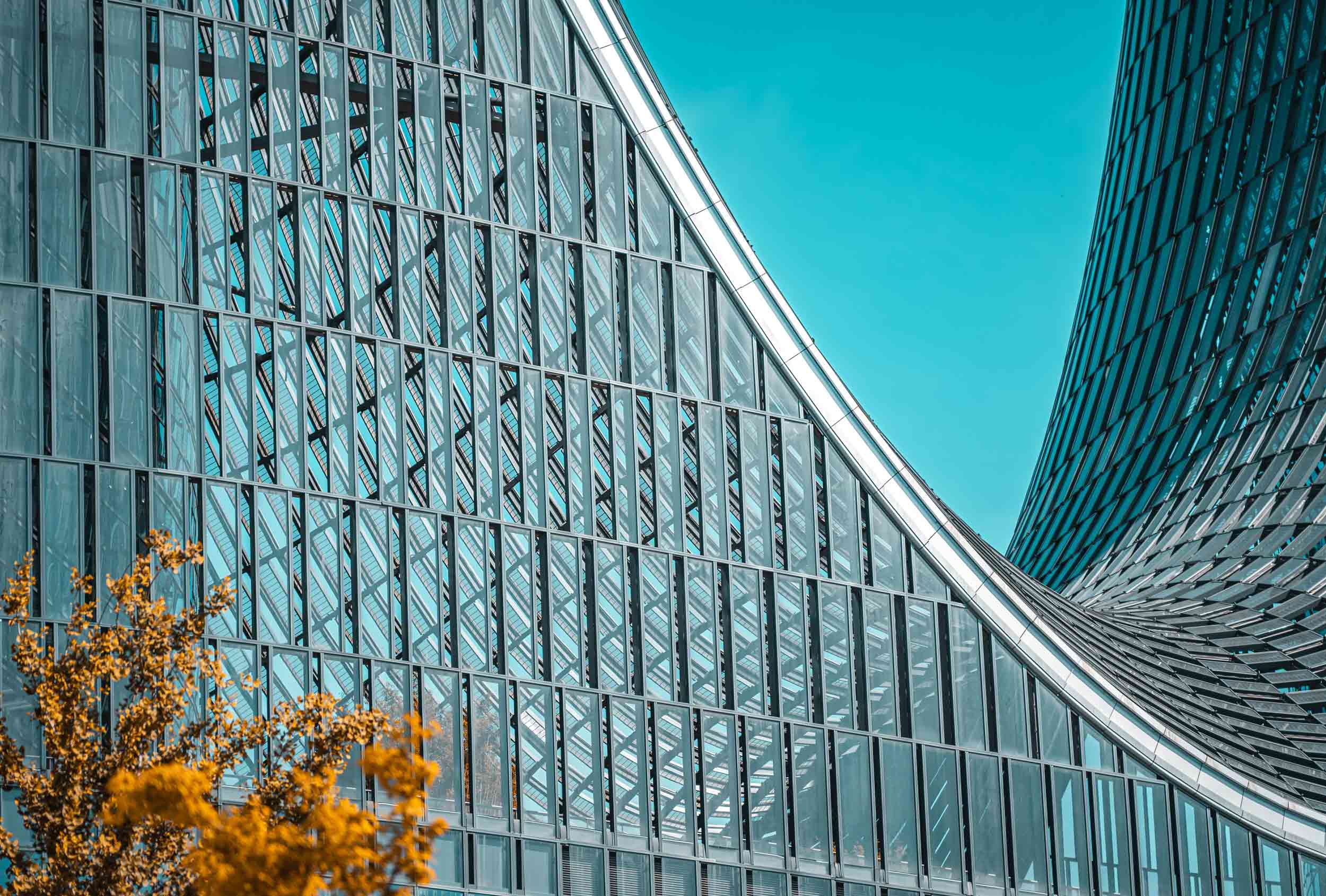
With architectural photography, you often won’t have the ability to bring in your own artificial light. Instead, you’ll typically need to work with what you’ve got. For skilled photographers, this means using natural light to your advantage, especially when it comes to highlighting specific features of a building (such as its unique textures and shadows).
Shooting at Golden Hour or Blue Hour
Depending on the look you’re going for, you might consider photographing a building at either golden hour or blue hour. Specifically, golden hour refers to the period of time before sunset or directly after sunrise, when the sky tends to have a soft and warm hue. If you’re going for a cooler look, photographing during blue hour (the time just before sunrise and after sunset) may be ideal.
Managing Harsh Shadows and Glare
In some cases, shadows will be your friend, giving you the opportunity to highlight certain features of a building or structure. When you need to reduce shadows, you might benefit from the use of directional light. If this isn’t possible, simply waiting to photograph the area during a different time of day or playing around with architectural photography camera settings may solve the problem.
Telling a Story Through Architectural Imagery
Knowing how to photograph architecture means knowing how to tell a story through images. Here are a few tried-and-true architectural photography techniques you can experiment with in your own work to enhance storytelling.
Highlighting Function and Atmosphere
Whenever possible in fine art architectural photography, find creative ways to call attention to the function, form and overall atmosphere of a building or structure. This can be done through the careful and deliberate framing of spatial proportions, color and shape.
Including People for Scale and Context
In some cases, including people in your photographs can be a great way to highlight the overall size, scale or even the context of a building. When capturing a particularly large structure, for example, you can create a sense of scale and perspective by including people standing on the ground next to the structure itself.
Capturing the Relationship Between Structure and Environment
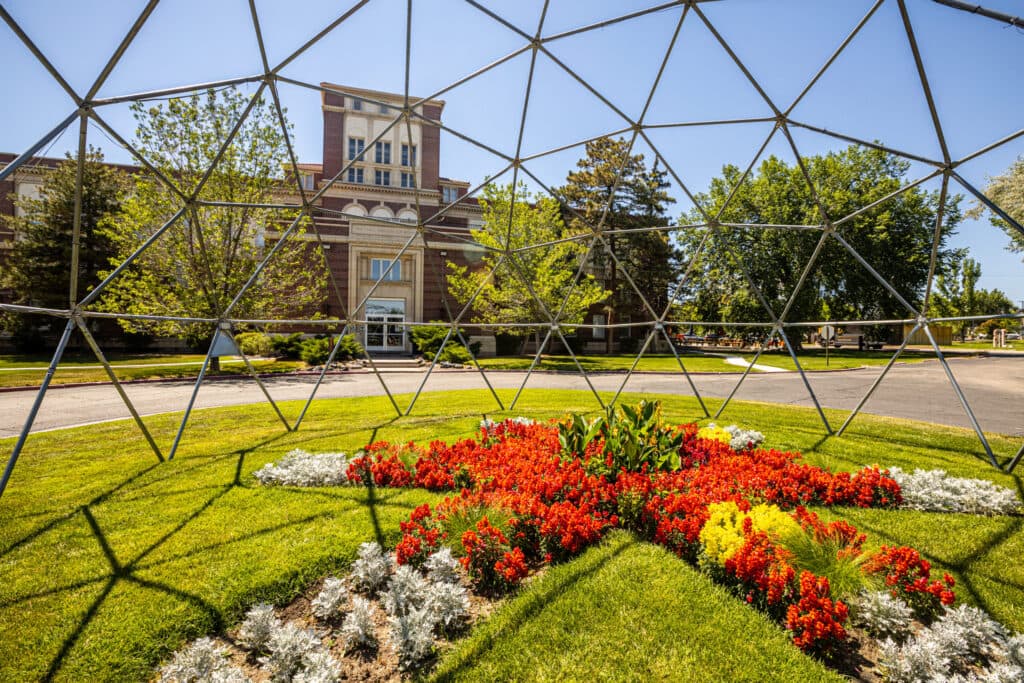
When photographing buildings and structures, it’s easy to focus on them as singular entities that exist in their own context. In reality, however, even the largest of buildings have important connections to their immediate environments. With this in mind, photographers should aim to capture the connection between buildings and nearby environmental elements, including trees and other natural components.
Indoor vs. Outdoor Architectural Photography
Many people think about exterior photography when they think about architectural photography, but the reality is that the interiors of buildings can be just as awe-inspiring as their exteriors.
Challenges of Interior Spaces and How to Overcome Them
When capturing interior spaces, there are some architectural photography tips worth keeping in mind. For example, capturing smaller rooms can be challenging, so photographers may need to use wide-angle lenses to do so properly.
Making the Most of Outdoor Settings and Weather Conditions
When photographing exterior elements, photographers are always at the mercy of Mother Nature. In some cases, weather conditions may be less than ideal. When this occurs, the most experienced photographers will use these “challenges” to their advantage, capturing truly unique and unforgettable images that incorporate the beauty of the local climate into each shot.
Balancing Technical Precision and Artistic Flair
Over time, architectural photographers must also learn how to strike the ideal balance between technical precision and artistic freedom. This is especially true in expert architectural photography composition, which requires a strong knowledge of things like focus and exposure. At the same time, knowing how to experiment and push boundaries without sacrificing technical precision is how photographers set themselves apart.
Common Mistakes to Avoid in Architectural Photography
As you begin dabbling in this area of the field, there are some architecture photography techniques you’ll want to keep in mind to avoid some of the most common mistakes.
Distorted Lines and Unlevel Frames
When using a wide-angle lens, distorted lines and unlevel frames can ruin your entire image if you’re not careful. To avoid this, invest in a quality tilt-shift lens and a tripod that you bring with you to every shoot.
Overediting or Losing Structural Integrity
Although most images will need some editing to correct lighting and other components, some photographers will overdo it. Unfortunately, overediting your photos can detract from the overall beauty and even the structural integrity of your images. Over time and with some trial and error, you’ll learn how to edit your images without sacrificing the details that matter most.
Neglecting Context or Surrounding Details
Last but not least in your list of tips for architectural photography, remember that buildings and structures never exist outside of their environments. With this in mind, it’s important to capture at least some shots of surrounding details, including landscape elements or even other buildings nearby.
Find Your Niche in Photography at RMCAD
There’s certainly no shortage of niches in the photography world — and finding yours is all about exploring your options, experimenting and having a little fun along the way. Suppose you’re looking for a photography program where you can explore many different areas of the field with support from knowledgeable faculty. In that case, Rocky Mountain College of Art + Design’s Bachelor of Fine Arts in Photography program may be right for you.
In this program, you’ll enjoy hands-on experience sharpening such essential photography skills as visual storytelling, lighting, post-production and beyond. Drop us a line to learn more or take the next step by applying now.