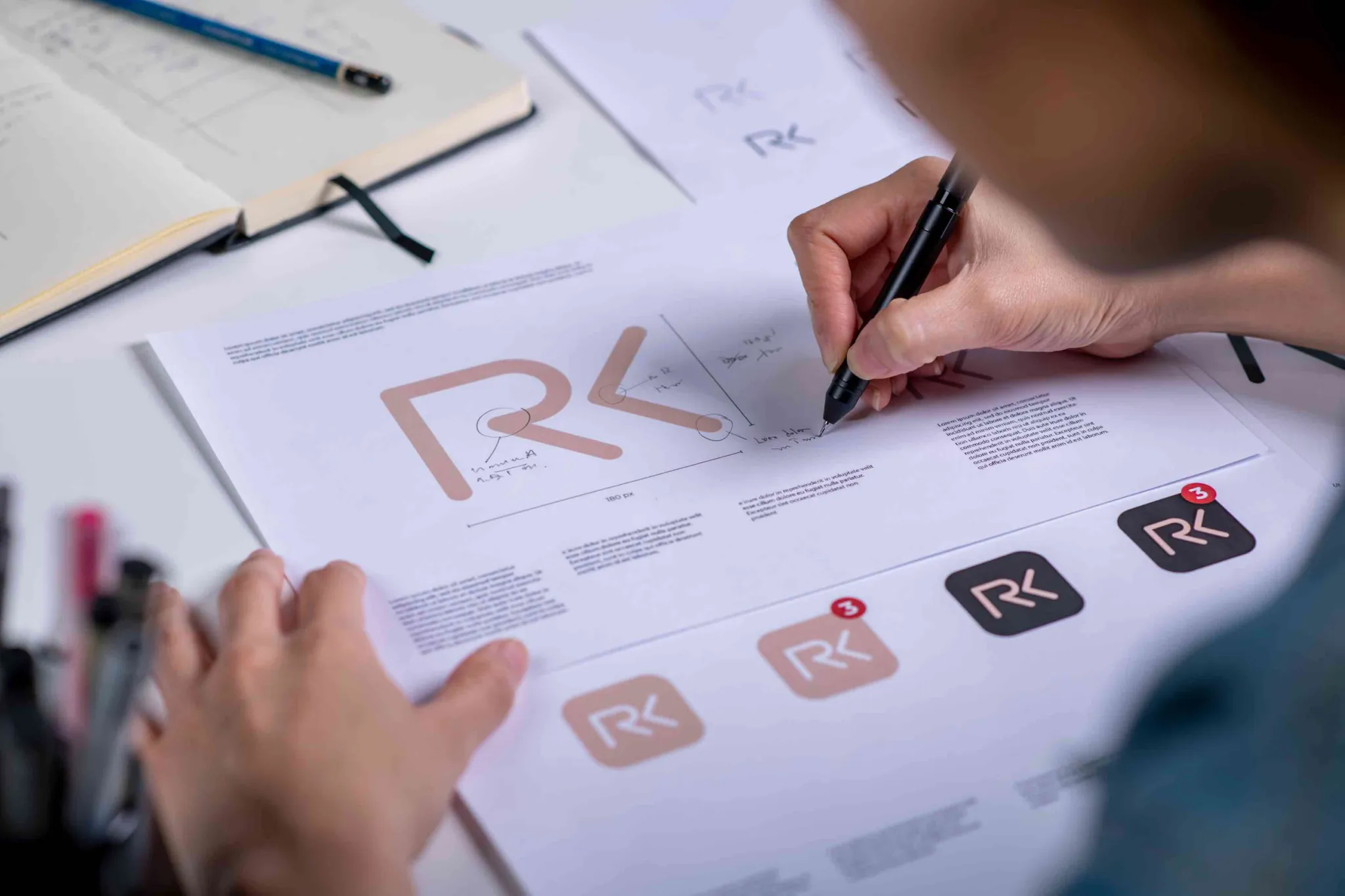
Compelling design is important, but it’s only part of the equation. Aside from delivering a polished final project, great designers must also be prepared to present their work to potential clients and/or employers. As part of your graphic design education, then, it’s essential to build strong presentation skills that turn individual design pieces into evidence of how you think, solve problems and communicate as a professional.
Why Presentation Wins the Work
Graphic design is often considered a technical skill, yet it’s actually a highly communication-centered discipline. Being able to confidently speak about your work is a pivotal part of the process, especially when it comes to helping potential clients or employers understand the problem behind a project and the creative processes you used to solve it.
The ability to present your work with confidence also reflects in your professional portfolio. When applying for a job or project in the field, a polished portfolio that clearly explains the thinking behind your work could lend you a competitive advantage. In other words, succeeding as a graphic designer isn’t just about being able to deliver polished projects — but to articulate the work that went into them as well.
What Makes a Strong Creative Presentation?
When presenting design work, a few factors can help cultivate interest and, ultimately, stakeholder buy-in. With any client presentation, designers should focus on balancing clarity, evidence and personality. The presentation should be clear about the details of the work you’re presenting, including its context and who it was designed for. From there, connecting your design decisions with client goals or outcomes helps demonstrate your ability to solve problems and meet their needs.
How Do You Build a Persuasive Design Case Study?
Case studies are an integral part of any design portfolio presentation. Ideally, these should serve as more than just a collection of your past work and provide potential clients with valuable insight into how you approach your designs, make decisions and solve problems. In building a case study, your focus should be on creating a compelling narrative, highlighting your creative process and showcasing the final results.
Structuring a Compelling Narrative
Memorable client presentations leverage visual storytelling elements to build a clear narrative. Through storytelling in design, you can turn a portfolio piece into a compelling story about your creative process that makes your presentation stand out even more.
So, what should your narrative include when presenting to clients? Think of it the same way you would think about telling a story, including:
- A challenge or problem that needed to be solved
- The audience for your design
- The idea or creative direction that you reached
- The design rationale and process
- The final product and its effectiveness in solving the original problem
Highlighting Process and Results
When leading creative presentations, highlighting your creative process is central to storytelling. Rather than showing a dozen different design mockups, for instance, you may be better off showcasing just a few that represent meaningful stages of your creative problem-solving. This might involve including before-and-after design in your project showcase that shows how an early concept transformed into a final design.
Don’t forget to connect your design process to results, too. Whether your design was part of a class assignment or was delivered to an actual client, go into detail about measurable outcomes whenever possible. With concrete outcomes, clients may better visualize what you could bring to the table for them specifically.
What Makes a Mockup Credible and Effective?
Many aspiring designers offer free mockups as a means of helping audiences imagine how a design could function outside of your presentation. However, the most effective and credible mockups aren’t necessarily the most vibrant or eye-catching. Ultimately, choosing the right design mockups for a client presentation boils down to knowing your client and their unique needs.
Choosing the Right Mockups for the Project
When selecting mockups for a creative presentation, start by considering the context of the work. Whether designing a logo for product packaging or creating a digital product, clients are more likely to connect with your narrative when they see it in a realistic context.
Avoiding Misleading or Overdone Presentations
In addition to choosing the right design mockups, avoid unintentionally misleading or overwhelming your clients during a presentation. This may entail, for instance, being careful to explicitly distinguish between real-world work you’ve done in the past and project ideas you have for the future. In doing so, you can maintain your professional credibility while balancing aesthetics and functionality in the process.
How Do You Sequence Visuals for Maximum Impact?
Another key aspect of building a compelling pitch deck for a client is sequencing visuals for maximum impact. After all, the order of your images can affect how your audience understands your work and creative process.
Ordering Visuals to Tell a Story
Again, it can be helpful to think back to the idea of using your presentation as a chance to tell a story. A useful sequence, then, often begins with a strong image that captures your audience’s attention. Then, you can incorporate dialogue about the challenges and unique problems of the design, along with corresponding visuals to support how you reached the finished version.
Guiding the Viewer’s Attention
Each slide of your presentation should also guide your viewer’s attention through clear focal points. Contrast, spacing, scale and typography can all be impactful here — though it is important to think about what you want viewers to notice first, second, third and so on. From there, you can build a visual hierarchy that aligns with those goals.
How Do You Narrate Outcomes That Win Approvals?
In preparing a client presentation or graphic design portfolio, clients should be able to understand how your designs could address or solve their problems. You can clarify this by:
- Framing results around client goals – This may include pinpointing what mattered most to your client before giving specific examples of how your design accomplished it.
- Connecting design decisions to value – This is where providing quantitative results that stem from your designs can be powerful.
How Do You Tailor Presentations to Your Audience?
In the world of graphic design, there’s no one-size-fits-all presentation. One crucial consideration when it comes to how to present creative work is understanding that the same project can require starkly different presentations depending on the client.
Understanding Client Priorities
Before building a presentation, take the time to truly research and get to know your potential client. Consider the types of problems and pain points they may be running into with their design — then the kinds of decisions they will face and the information you could provide to help them make those decisions.
Adjusting Language for Non-Designers
Bear in mind, too, that the clients you’re pitching to may not have the same level of experience and familiarity with graphic design as you. Thus, the language you use in your presentation should be accessible and easy for even a non-technical audience to understand.
How Do You Handle Feedback and Questions?
While you’ll be doing much of the talking in your presentation, the hallmark of a successful design presentation is conversation and design feedback. Your prospective clients are sure to have questions and comments, and how you respond could make or break whether you land the project.
Responding to Client Concerns
When clients have concerns about any aspect of your presentation, listen fully before you respond. Make sure you understand the concern they’re raising by repeating it back to them in your own words.
From there, remember that you may not need to defend every design decision you’ve made. In some cases, client feedback will reveal changes that need to be made. Other times, it may boil down to personal preference — but if the client is hiring you, you’ll ultimately need to defer to their needs.
Turning Feedback Into Next Steps
When you’re presenting to a client as part of an ongoing project, always end your feedback sessions with a sense of clarity. This means summarizing what’s already been approved and what needs to be changed; these are all central aspects of the design approval process.
What Tools Help You Present Your Work Professionally?
The right tools can make all the difference when presenting your graphic design work in a way that’s professional and easy to follow.
Digital and Physical Presentation Options
So, what are some of the best tools to use for your presentations and design portfolio? Some options to consider include:
In some cases, clients may expect physical presentations of your work. If this applies to your presentation, you might consider delivering a printed portfolio, presenting on a physical mounted board or even bringing prototypes.
What Can Creatives Learn From Global Design Studios?
For aspiring graphic designers, taking the time to explore the work of established design studios can prove valuable for understanding different approaches to storytelling and unique ways to communicate the value of graphic design work.
Diverse Approaches to Client Storytelling
In a graphic design program, for example, students may study global design studios. They may look more closely at the relationship between design problems, processes, designs and outcomes while developing presentation styles that suit their own work.
Learn More in a Design Program at RMCAD
Aside from building technical design skills, part of becoming a professional designer involves learning how to present and defend your work to prospective clients. At Rocky Mountain College of Art + Design (RMCAD), students in our online and on-campus Bachelor of Fine Arts in Graphic Design program hone foundational skills in visual storytelling, human-centered design, UX/UI and typography while simultaneously cultivating professional portfolios that can be used in the real world.
Learn more about RMCAD’s graphic design program or request information about any of our other program offerings today. To take the next step toward a degree, you can get started with your application for admission now. Looking for more inspiration? Check out our top advice from RMCAD’s 2025 graduating class in this blog post!
Frequently Asked Questions
Why is presenting your work effectively so important?
Presenting your work effectively is essential because strong ideas can be lost without clear, persuasive communication. How you present your work often influences whether it gets approved. Thoughtful presentation helps clients understand your decisions, see the value in your work and feel confident in moving forward with your ideas.
What is a design case study?
A design case study is a structured presentation that tells a project’s story, including the problem, process and results. It demonstrates how design decisions addressed specific goals and delivered value. Case studies are powerful tools for building credibility, showcasing your thinking and persuading clients or employers.
How do I make a case study persuasive?
A persuasive case study focuses on a clear narrative that connects the client’s goals to your solutions and results. Highlight your process, explain key decisions and show measurable or meaningful outcomes to build a convincing story. Framing the work around value (rather than just aesthetics) makes it more compelling.
What makes a mockup credible?
A credible mockup presents work realistically and in context — helping clients visualize how a design will function in the real world. Choosing appropriate, high-quality mockups that reflect actual use builds trust. Overly stylized or misleading mockups can undermine credibility, so authenticity and relevance are key.
How should I sequence visuals in a presentation?
Sequencing visuals effectively means ordering them to tell a clear story and guide the viewer from context to solution to outcome. Start with the problem, show your process and build toward results to create a logical flow. Thoughtful sequencing keeps the audience engaged and reinforces your key messages.
How do I present design outcomes to clients?
Presenting outcomes to clients works best when you frame results around their goals and priorities. Connecting your design decisions to the value they create, such as solving a problem or improving an experience, helps clients see the impact of your work. Clear, goal-focused storytelling makes outcomes more persuasive.
How do I handle client feedback during a presentation?
Handling client feedback well entails listening carefully, responding thoughtfully and staying open to input. Addressing concerns clearly and professionally builds trust, even when opinions differ. Turning feedback into clear next steps shows clients that you value their perspective and are focused on achieving their goals.