Art Education Degree
Bachelor of Fine Arts
"*" indicates required fields
Art Education Degree PROGRAM OVERVIEW
Teach Creatively. Empower Boldly. Shape the Future.
Art has the power to communicate what words alone cannot, and teaching art extends that power to new generations of learners. RMCAD’s Bachelor of Fine Arts in Art Education program prepares socially conscious, globally minded educators who are both creative practitioners and skilled teachers. Upon graduation, you will immediately be eligible to receive your Initial Teacher Licensure in Colorado as an art educator in K-12 settings.
At RMCAD, we prepare you, not only to grow as an artist, but to thrive as an art educator, ready to inspire K–12 students in classrooms. Through RMCAD’s Art Education program, you will train to become a K-12 art teacher. Along the way you will:
- Develop your own approach to art instruction with mentorship from faculty who bring diverse teaching experiences and perspectives.
- Strengthen your artistic practice in ways that directly enrich your teaching.
- Build a comprehensive skill set in pedagogy, classroom management, and curriculum design.
- Gain the confidence to step into the classroom knowing that you are prepared to meet the evolving needs of today’s learners.

Teaching License Information
The RMCAD Art Education teacher preparation program is approved by the Colorado Department of Education (CDE) and the Colorado Commission on Higher Education (CCHE). RMCAD graduates in Art Education are prepared to apply for a K-12 teaching license in Art with the Colorado Department of Education.
RMCAD’s Art Education BFA allows graduates to apply for their Colorado Teaching Licensure and teach in the state of Colorado. Students interested in teaching in another state will first apply for their Colorado Licensure through the Colorado Department of Education (CDE) and then may be eligible to transfer licensure to their state. Students interested in licensure outside of Colorado should refer to the Disclosure for Professional Licensure section of the website, located here.
ART EDUCATION DEGREE PROGRAM HIGHLIGHTS

Relevant Courses

Practical Professional Growth

Hands-On Teaching Opportunities

Aligned with State + National Standards

Studio Emphasis
STEPS TO ADMISSION

1
Complete your artist meeting with an admissions representative.

2
Submit an admissions application.

3
Create and submit your portfolio to be considered for a scholarship.

4
Submit official high school and college transcripts (for transfer students).

5
Submit the current year’s FAFSA and other financial aid documentation.
ACCREDITATION

TUITION + FINANCIAL AID
At RMCAD, we understand that investing in a college education is a major decision and a major investment. That’s why we offer competitive, affordable tuition when compared to other art and design colleges. Students’ tuition rates are locked in at the time of their initial start date and will not increase as long as they remain enrolled in their program.
ART EDUCATION DEGREE COURSE DETAILS
As an Art Education student at RMCAD, you’ll do more than study teaching. You’ll experience it firsthand! While developing your artistic voice in studio courses, you’ll also cultivate your teacher voice through methods classes, fieldwork, and student teaching. By the time you graduate, you’ll be ready to step into the classroom with confidence as both an artist and an educator. In this program, you will:
- Explore contemporary approaches to teaching art and develop your own unique style of instruction.
- Learn how to design engaging units and lessons that connect with a broad range of learners.
- Sharpen a critical lens on school practices, so you can lead with reflection and innovation.
- Dive into your artistic passion in one of our emphasis areas: Animation, Fine Art, Graphic Design, or Illustration.
Hands-On Preparation:
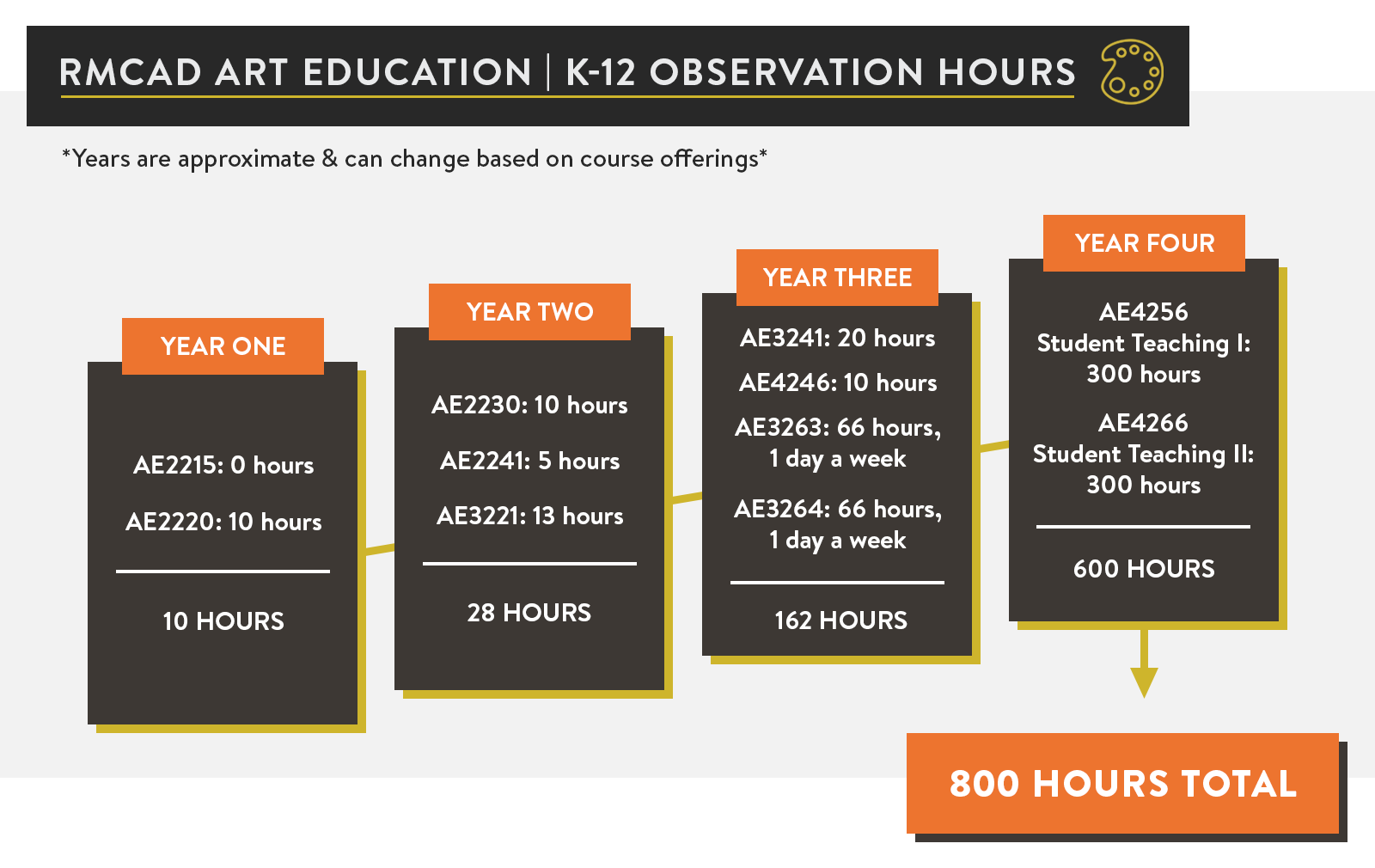
- Complete 200+ hours of classroom observation across elementary, middle, and high schools in your community.
- Step into teaching with 600 hours of full-time student teaching during your senior year (one term in an elementary classroom and one term in a middle or secondary classroom), both with licensed art teachers as mentors.
- Gain valuable experience in both on-campus and online learning environments, preparing you to teach in today’s blended world.
RMCAD offers classes year-round in both on-campus and online delivery formats. At RMCAD, we believe that online learning is an important part of the overall college learning experience. To provide students multiple scheduling options, diverse learning modalities, and experience in the virtual environment, all on-campus students are required to take some of their courses in an online format.
Liberal Arts Courses (45 Credits)*
AH 1110
Art Historical Methods + Theories
(3 Credits)
EN 1110
Composition I
(3 Credits)
HU 1110
Humanities I: World Thought I
(3 Credits)
AE 2220
Philosophy of Art + Education
(3 Credits)
The Liberal Arts curriculum is an exciting part of every student’s academic and creative journey at RMCAD. These courses provide the opportunity for students to engage with complex questions and ideas to develop critical thinking skills, a global consciousness, and awareness of art historical foundations that are essential for their intellectual, creative, and personal growth.
*This section does not include the full list of courses for this program.
Art Education Courses (29 Credits)*
AE 2215
Introduction to Art Education
(3 Credits)
AE 2241
Design for Learning
(3 Credits)
AE 3263
Methods of Art Education, K-12 Part I
(3 Credits)
AE 4246
Learning Environments
(3 Credits)
*This section does not include the full list of courses for this program.
Foundations Courses (21 Credits)*
FD 1020
2D Design: Elements + Principles
(3 Credits)
FD 1120
Topics in Color
(3 Credits)
FD 1600
Studio Seminar: Methods of Inquiry
(3 Credits)
FD 2220
Time-based Media
(3 Credits)
Foundation Studies educates students in the development of creative studio practice by fostering individualized and collaborative learning that emphasizes cultural engagement, process, critical thinking, and visual literacy.
*This section does not include the full list of courses for this program.
Fine Arts Courses (15 Credits)*
ART 1120
Ceramics: Handbuilding + Surfacing
(3 Credits)
ART 1130
Printmaking: Relief, Intaglio, + Monotypes
(3 Credits)
ART 1151
Painting Fundamentals: Tools + Techniques
(3 Credits)
ART 1190
Sculpture: Armatures + Welding
(3 Credits)
*This section does not include the full list of courses for this program.
Animation Emphasis (15 Credits)*
AG 1110
Introduction to Animated Storytelling
(3 Credits)
AG 1070
Digital Painting for Film + Games
(3 Credits)
AN 1230
Fundamentals of Animation
(3 Credits)
AN 2310
Creative Visualization
(3 Credits)
*This section does not include the full list of courses for this program.
Fine Arts Emphasis (15 Credits)*
ART 2220
Ceramics: Throwing in the Round
(3 Credits)
ART 2230
Printmaking: Photographic Printmaking + Alternative Media
(3 Credits)
ART 2251
Painting: Contemporary Practices
(3 Credits)
ART 2290
Sculpture: Cast + Assemble
(3 Credits)
*This section does not include the full list of courses for this program.
Graphic Design Emphasis (15 Credits)*
GD 1000
Typography
(3 Credits)
GD 2100
Layout Design
(3 Credits)
GD 2210
Vector Illustration
(3 Credits)
GD 2220
Raster Image Processing
(3 Credits)
*This section does not include the full list of courses for this program.
Illustration Emphasis (15 Credits)*
IL 1200
Freshman Drawing Portfolio Review for Illustrators
(3 Credits)
IL 1510
Perspective
(3 Credits)
IL 2520
Illustration Media
(3 Credits)
IL 2575
Illustration I
(3 Credits)
*This section does not include the full list of courses for this program.
TECH + TOOLS
As an Art Education student at RMCAD, you’ll join a vibrant community of creative educators who merge artistry with innovation. Our program is designed to help you develop instructional excellence through the lens of your personal creative practice, supported by the same professional tools used in today’s classrooms and studios.

Explore Campus


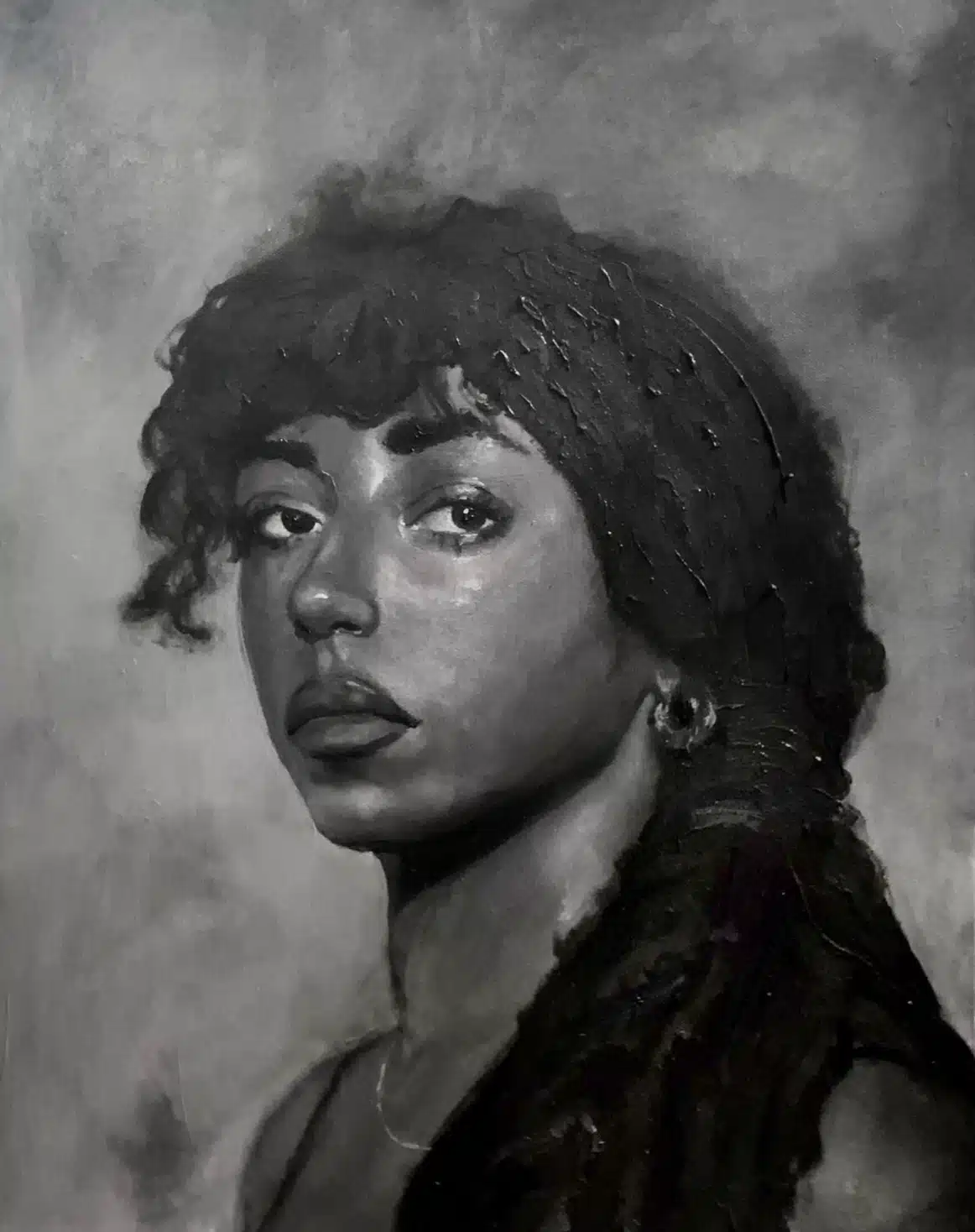
ART EDUCATION Stories
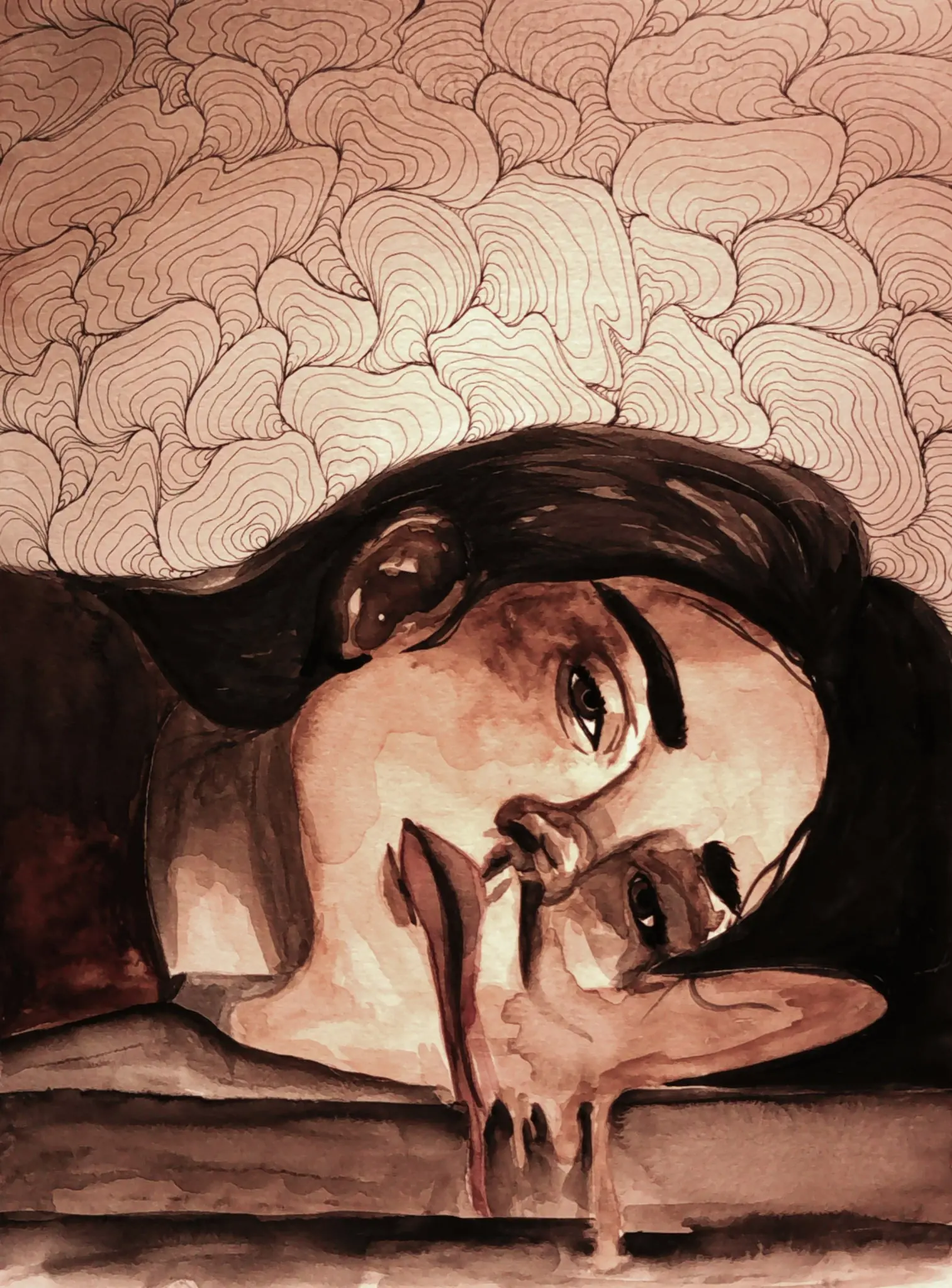
Trauma-Informed Art Pedagogy: Creativity as a Path to Regulation
In the modern educational landscape, the art room is often seen as a sanctuary–a place where the rigid rows of desks give way to easels and the scent of graphite. However, for students who have
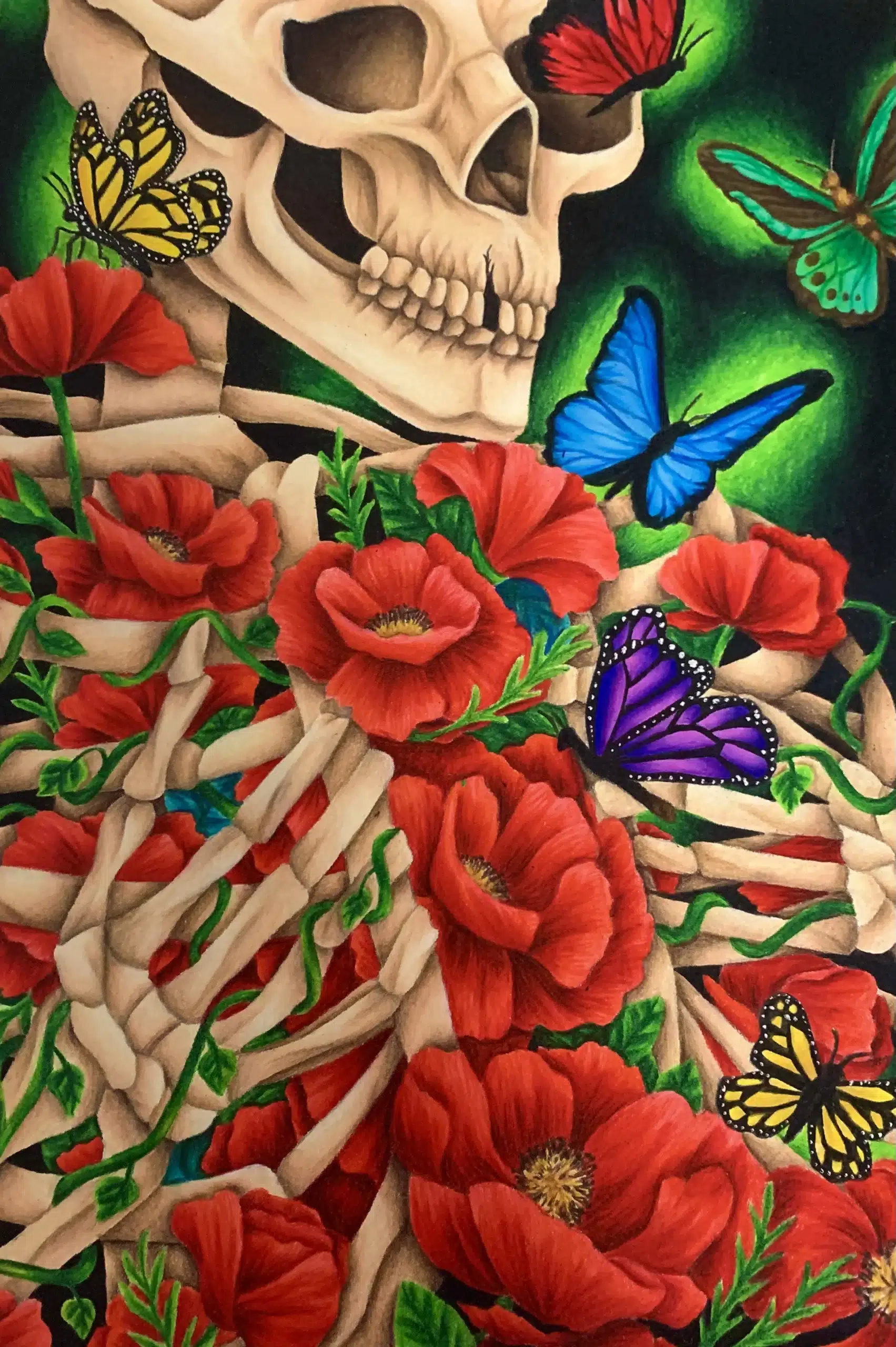
Teaching Art History Beyond Timelines: Inquiry-Driven, Contemporary Connection
For too long, the study of art history has been confined to a rigid, chronological march. A dizzying parade of ‘isms’ and movements often centered on a narrow European and North American perspective. This traditional

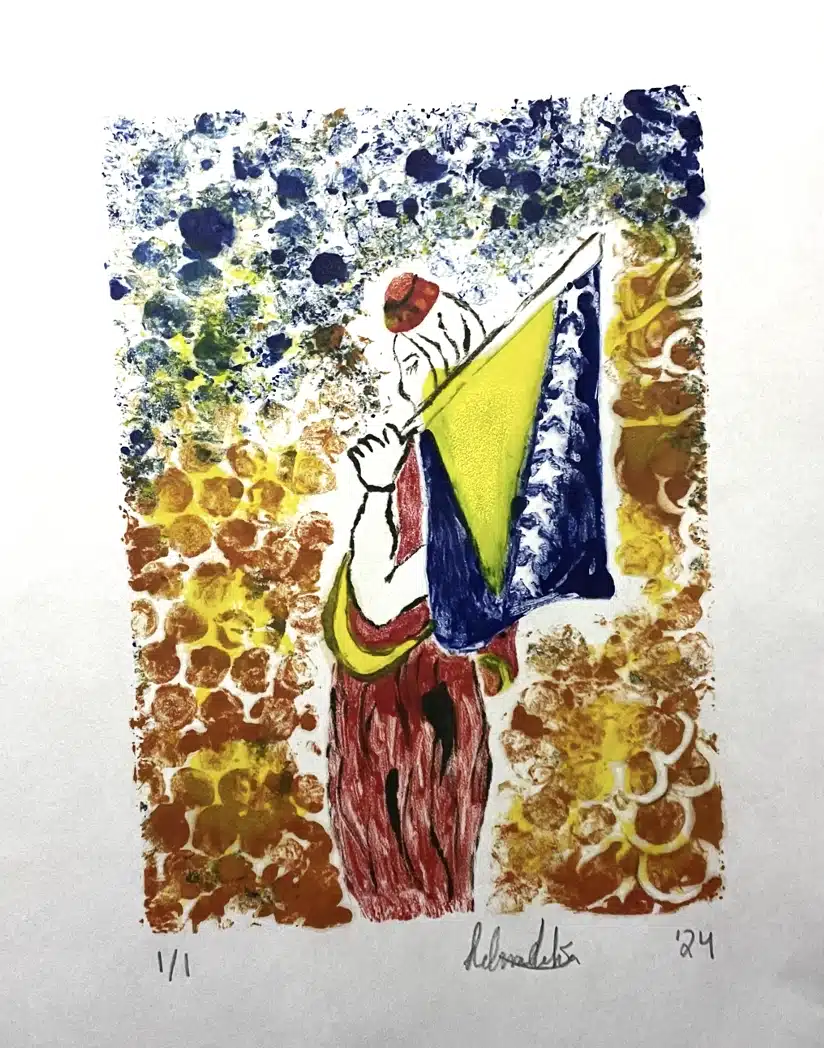
Low-Budget, High-Impact: Sourcing Art Supplies and Managing Materials
From high quality oil paints to professional grade camera lenses, it’s no secret that art supplies can run up a bill. However, for those who are just getting started in their creative field or are
ART EDUCATION CAREERS
As an RMCAD Art Education graduate, you’ll be prepared to teach, lead, and make an impact in a variety of educational and creative settings
Our program is approved by both the Colorado Department of Education (CDE) and the Colorado Commission on Higher Education (CCHE), qualifying graduates to apply for a Colorado K–12 Visual Arts Teaching License. This credential opens the door to careers in schools and beyond where art, education, and leadership intersect.
Below are examples of potential career paths for RMCAD Art Education graduates. Please note, some of these jobs may require further certifications.
K-12 Art Teacher
A K-12 art teacher instructs visual arts in elementary, middle, or high school settings. They help students develop critical thinking and cultural awareness skills, along with growing creatively.
Community Arts Instructor
A community arts instructor facilitates art workshops, camps, and continuing education programs for youth, adults, and seniors in community centers or nonprofit settings.
Museum or Gallery Educator
A museum or gallery educator designs and leads art learning experiences in museum, gallery, or community art spaces. They also collaborate on public programming and youth outreach.
After-School Art Educator
An after-school art educator designs and facilitates engaging art programs for students in after-school, enrichment, or summer learning environments, supporting youth development through creativity.
Curriculum Designer / Education Specialist
A curriculum designer or education specialist creates and adapts visual arts curriculum materials, digital resources, and instructional tools for schools or educational publishers.
Online Art Instructor
An online art instructor leverages digital platforms to teach art virtually, developing expertise in remote teaching methods and educational technology.
FREQUENTLY ASKED QUESTIONS
What is the focus of the Art Education degree program at RMCAD?
The program prepares students to become K-12 art teachers, emphasizing teaching techniques, classroom management, and developing unique teaching styles.
Will students have to complete a student teaching program for the Art Education degree?
Yes, as a student in the Art Education program at RMCAD, you will gain practical teaching experience. The program includes 200 hours of in person classroom observation, one 8-week term placement in an elementary classroom earning 300 student teaching hours, and one 8-week term placement in a middle or high school classroom earning 300 student teaching hours. All of which helps ensure you receive hands-on experience in real educational settings. This component is designed to provide you with the necessary skills and confidence to become an effective art educator.
What career opportunities are available for Art Education graduates?
Graduates will acquire the knowledge and skills to start careers as K-12 art teachers, curriculum developers, art education consultants, and museum educators.
What support services are available for Art Education students?
All students have a dedicated Academic Advisor to answer questions and assist with scheduling, academic progress and other support needs outside of the classroom; Students also have access to short-term mental health counseling through our partnership with Uwill, tutoring services provided by the Student Learning Center, online technical support (1-888-RMCADGO or [email protected]) and on-campus technical support at TECHBAR, a LinkedIn Learning subscription and 24/7 access to robust online library resources and materials, and more! Visit the Student Resources page for more information.
What are the admission requirements for the Art Education degree program?
Applicants need a high school diploma or equivalent and completion of the college’s application process. To be considered for a scholarship, students will also need to create and submit a portfolio of artwork.
What kind of portfolio should students submit for the Art Education program application?
A portfolio showcasing your best work, including examples of art projects and any teaching-related art activities.
What skills will students learn in the Art Education program?
How does RMCAD support Art Education students?
RMCAD offers small class sizes, mentorship, industry-experienced instructors, and well-equipped facilities.
What kind of teaching experience will students gain in the Art Education program?
Students gain real-world teaching experience through required classroom observation and student teaching components.
What are the Liberal Arts requirements in the Art Education program?
The curriculum includes courses that develop critical thinking, global consciousness, and information literacy.
What are the Foundations requirements in the Art Education program?
Foundation courses enable students to refine essential skills, get comfortable with the tools they’ll use throughout their program, and study relevant basics— including composition and color theory. These courses facilitate ideation and collaboration.
What software and tools are used in the Art Education program?
For information on the software, tools and program materials, please visit here.
Can students visit the campus to learn more about the Art Education program?
Yes, prospective students can schedule campus tours or attend info sessions to learn more about RMCAD and the Art Education program.
Are there opportunities for Art Education students to showcase their work?
Yes, students can showcase their work through student exhibitions and events hosted by RMCAD.
What teaching philosophies are emphasized in the Art Education program?
The program emphasizes critical inquiry, artistic agency, and ethical conduct in teaching.
How does the Art Education program prepare students for licensure?
The program aligns with Colorado Department of Education standards, ensuring students meet the requirements for teacher licensure.
Do students need to pass a background check to become art educators?
All students in the Art Education BFA program are required to have a fingerprint-based background check done in their first Art Education class (AE 2215 Introduction to Art Education). Campus and online students will complete a fingerprint-based background check independently with the FBI in their state and send the results to the AE Placement Coordinator. If arrest data is found in the submitted fingerprint-based background check, the AE Placement Coordinator will notify the student of steps they need to complete to be cleared to enter any K-12 schools to observe and student teacher to earn their RMCAD Art Education degree. All Art Education students are required to submit another fingerprint-based background check directly to CDE upon applying for their Colorado teaching licensure after graduation.