When it comes to commercial packaging and apparel design, there’s no need to start from scratch at the beginning of every project. Seamless pattern design libraries can expedite the design process as well as the production of branded goods and products.
Those in illustrative design can capitalize on the demand for pattern libraries—curated digital collections of repeating, tileable vector assets and textures that can be applied endlessly across surfaces without visible seams—by creating their own assets to sell to designers and organizational leaders. This, in turn, allows them to develop a passive income stream that can support their career pathways and boost their overall earning potential.
Why Pattern Libraries Matter for Commercial Design
Reusable design patterns are a proven solution for streamlining the design process and improving consistency across all interfaces. This is why pattern libraries are becoming increasingly prominent in commercial design, particularly in retail packaging design and corporate apparel production.
How Repeat Systems Support Branding Across Products
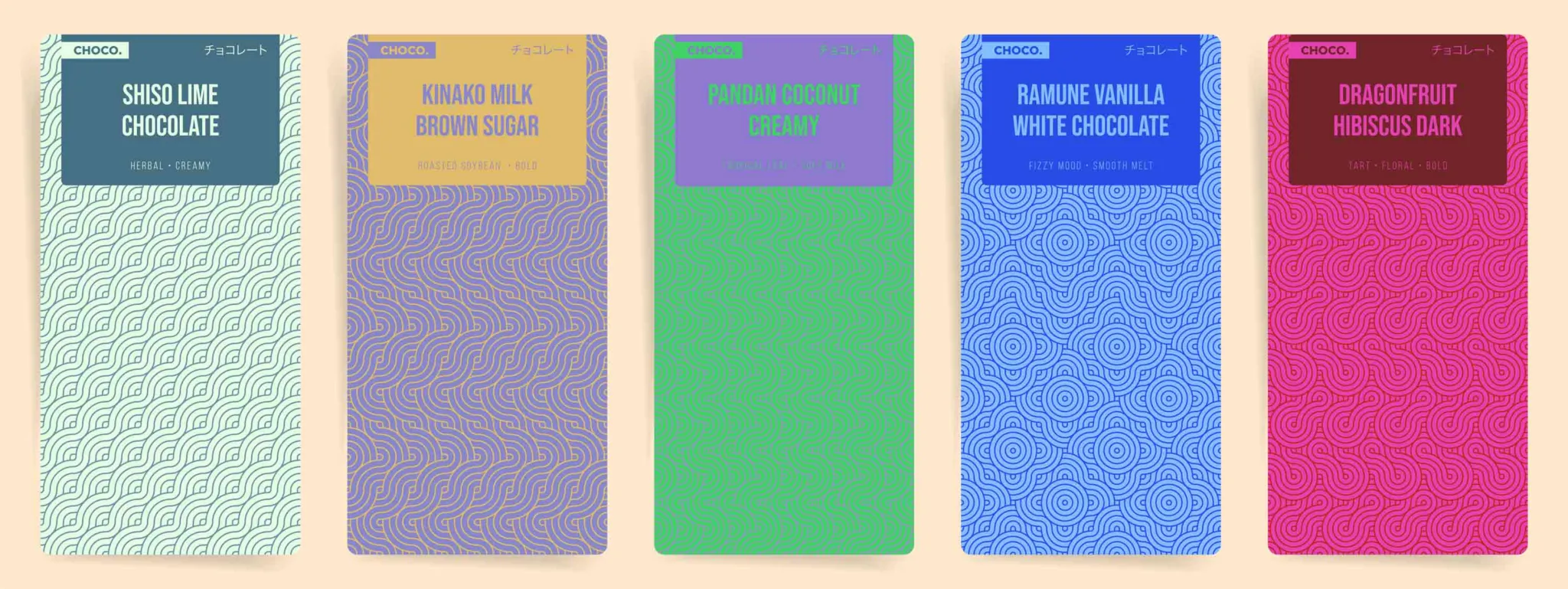
Building a brand identity requires a thoughtful, consistent approach in which brand elements (e.g., logo and name) are included across all products — including apparel, packaging and marketing materials. Repeat pattern libraries ensure that brand elements are presented cohesively across all applications.
What Makes a Pattern Library More Useful Than a Single Print
Repeat pattern design strategies are prevalent in commercial design, which is why pattern libraries are so useful. These scalable solutions make it easy to develop and produce new products, and they are easier to maintain over the long term.
Start With Strategy Before You Build Tiles
Surface pattern design often relies on pattern tiles for repetition and clarity. Before you begin designing tiles with vector patterns or geometric patterns, collaborate with your client to create a cohesive and intentional design strategy. This gives you an opportunity to understand what they are looking for and the end use for the pattern library.
Define End Uses for Packaging, Apparel and Digital Applications
The pattern tiles will become reusable building blocks that anchor the pattern. Prior to designing tiles, define the intended use for the library. Common end uses include:
- Packaging materials
- Corporate apparel
- Digital products
Set Style Rules for Motifs, Density, Scale and Brand Fit
With a firmer grasp of the project’s scope, you can begin to establish style rules. Consider:
- Motifs – These recurring patterns or images are central to brand identity. Know what motifs need to be included and how frequently they should be used.
- Scale – This refers to the size and proportion of motifs. For instance, a brand may have a specific scale required for logos that appear on packaging graphics.
- Brand fit – It’s important to align the pattern tiles with the established brand guidelines.
Build Repeat Tiles That Translate Cleanly
The most successful pattern tiles involve repeat patterns that can continue to be used time and again in various applications. Whether focused on floral patterns for fabric prints or an illustrator pattern for packaging materials, you want to develop clean, consistent tiles that can quickly be incorporated into a pattern library.
Choose Tile Size Based on Product Scale and Production Needs
Pattern tile sizing is about more than aesthetics alone. It calls for a strategic approach to tile size that accommodates:
- The visual perception of the pattern (as this is key to elevating brand visibility).
- The appropriate size for the product’s function.
Selecting an appropriate pattern size entails a strategic analysis of the relationship between the pattern and the product’s scale. For the most part, you need larger pattern tiles for bigger products, whereas a smaller tile may be appropriate for less substantial products.
Use Straight, Half-Drop and Brick Repeats Intentionally
Straight, half-drop and brick repeats directly influence the surface pattern design:
- Full drop (straight) pattern repeat – This is the simplest, most common pattern repeat system that is used widely in commercial design.
- Half-drop pattern repeat – Ideal for brands interested in a more organic approach, the half-drop pattern repeat is more subtle.
- Brick pattern repeat – Considered a more creative approach, this repeat system mimics a brick wall design. It is a suitable option when creating versatile products.
Design Motifs for Flexibility and Longevity
From textile design to surface pattern design, design motifs are essential to the development of tiles used in pattern libraries. Opting for design motifs that offer flexibility and support longevity can make your library more relevant and useful.
Create Hero Motifs, Secondary Elements and Filler Shapes
Pattern design collections are broken down into three key components:
- Hero motifs encompass the large-scale artwork that anchors the pattern design.
- Secondary elements are usually blender patterns that work to complement the motif rather than distract or detract attention away from it.
- Filler shapes are smaller elements that fill in the gaps, ensuring that the message of the design is conveyed effectively.
Balance Rhythm, Spacing and Visual Variety Without Clutter
The various elements within a pattern design collection must be balanced to achieve a sense of rhythm without overwhelming the user’s senses. Every pattern design library should tell a story, and the spacing and visual variety of the collection play a pivotal part in sharing the intended message.
Develop Colorways That Expand the Library
Successful pattern libraries require designers to carefully select a color palette for their tiles. Leveraging the power of color palette tools and working closely with clients, you can curate a color scheme that helps you develop a cohesive and appealing pattern library.
Build Core, Seasonal and Limited-Edition Palettes
When working to develop a pattern library that becomes a valuable asset, plan an adaptable color palette that improves its versatility and functionality. The core color scheme serves as the foundation for the design, establishing a cohesive visual identity that clients can instantly recognize and trust. While this foundation keeps the collection grounded, you can create seasonal and limited-edition palettes to set your library apart from others that may be available.
By building your files with global color swatches or vector layers that can be easily remapped, you grant commercial designers the flexibility to alter hues to match their specific branding needs or textile manufacturing constraints. Offering your repeating assets in multiple pre-set colorways—such as a muted, earthy minimalist palette alongside a vibrant, jewel-toned maximalist alternative—drastically expands the commercial appeal of a single design. Ultimately, this thoughtful approach transforms a rigid graphic asset into a highly functional, multi-use tool that can seamlessly transition from spring apparel lines to winter holiday packaging, maximizing your library’s licensing potential.
Test Contrast, Print Readability and Brand Consistency Across Variations
After deciding on the color scheme, the testing process begins. Across all variations, you should confirm that contrast levels are appropriate and the visual elements —the core structural components of a design, such as lines, shapes, text, scale, and negative space—are accessible.
Prepare Patterns for Packaging and Apparel
Once the initial design phase is complete, it’s time to prepare patterns for transfer to packaging and apparel. Some adjustments may be needed, depending on the application.
Adapt Repeats for Boxes, Labels, Wraps and Small Surfaces
Aligning pattern repeats for packaging materials — like boxes, labels or wraps — is a technical process that involves both precision and intuition. The repeats should be scaled to fit the size of the surface.
Check Scale, Placement and Fabric Behavior for Apparel Use
When creating apparel products, size and visibility matter. It’s important to test the pattern repeatedly on different types of fabric to see how it behaves and adapt as necessary.
Use Mock-ups to Catch Problems Early
Whether you are creating wallpaper patterns or developing a pattern library for fabric prints, use mock-ups to assess how the pattern repeat performs and to determine if it requires any changes. This proactive approach thwarts more complicated and costly fixes down the line.
Test Patterns on Packaging Dielines and Product Flats
Planning dielines for packaging and product flats shows you exactly where the patterns will fall once you assemble the final package. Because the dieline provides a ready-made digital template, you can easily apply the repeating pattern tile and make any necessary adjustments.
Review Seams, Distortion and Cropping Before Final Production
For apparel, evaluate potential seams or distortion before you send the product to be manufactured. This is particularly crucial when working with intricate patterns, such as a ditsy floral pattern—a style featuring an all-over, densely packed arrangement of tiny, non-directional flowers— where the seams can significantly affect the final appearance.
Organize the Library for Easy Reuse
Pattern libraries are designed to be reusable, scalable solutions, so organization is integral to their success.
Name Files Clearly and Group by Repeat Type, Colorway and Product Fit
Applying a consistent file naming convention enables an organized, easy-to-navigate library. Always follow an organized naming system and group files by repeat type, colorway and product fit.
Build Presentation Sheets That Help Clients Choose Quickly
Pattern library presentation sheets allow clients to quickly identify and select the elements that best suit their needs. Your presentation sheets should be designed to enhance the overall user experience and streamline the process of selecting pattern tiles.
Case Studies: Global Perspectives
Take a look at how designers from around the world create and develop pattern libraries:
United States: Packaging Systems Using Flexible Seasonal Pattern Families
Seasonal packaging is trending in the U.S., and many brands are working to leverage packaging systems that utilize flexible seasonal pattern families. Some top brands that rely on pattern families to create timely, festive packaging include:
- Olipop
- Ritz Crackers
- Coca-Cola
Japan: Minimal Repeat Libraries With Tight Scale Control
Minimalism defines Japanese culture, and the apparel design industry maintains this focus by using minimal repeat libraries with tight scale control. One fashion brand, Issey Miyake, relies on innovative pleating technology and small-scale patterns to create apparel.
United Kingdom: Fashion Prints Built for Apparel and Retail Packaging
In order to increase speed and reduce costs, more brands in the UK are using fashion prints and seamless pattern design to create apparel and retail packaging products closer to home.
Brazil: Bold Colorway Systems for Lifestyle Brands
Described as a vibrant fashion aesthetic, Brazilcore is the palette that captured the imaginations of lifestyle brand directors in Brazil. It is modeled after the national flag and highlights hues of bright yellow, brilliant blue and vibrant green. It’s a lively palette that offers insight into the culture and atmosphere of Brazil — allowing lifestyle brands to easily reach their target market segments.
India: Motif Libraries Adapted Across Textiles and Product Packaging
Motifs in India are more than just a decorative element; they are a way of sharing stories and passing down traditions. Indian brands are becoming increasingly dependent on motif libraries and seamless pattern designs that can be adapted across fabric prints, textiles and product packaging alike.
Turn Strong Patterns Into Sellable Assets
From a Procreate pattern featuring a strong motif to floral patterns that make gorgeous wallpaper, you can transform the patterns you create into assets that can be sold to interested clients.
Present Libraries With Mockups, Usage Notes and Licensing Options
The way you showcase and promote your library will directly impact its success. Incorporating mock-ups, usage notes and licensing options can make it easier for your clients to navigate and digest.
Review Performance and Expand the Collection Strategically
As you launch various pattern libraries, monitor key metrics to assess their performance, and begin to expand the collection strategically to generate continuous interest in them. For example, adding a limited-edition color palette to an existing library can boost sales in the short term.
Build Your Pattern Design Skills at Rocky Mountain College of Art + Design
Pattern libraries present a reusable solution that streamlines the design process for both print and digital products. These libraries can become assets for designers that helps them develop a passive income stream.
At Rocky Mountain College of Art + Design, the on-campus Bachelor of Fine Arts in Illustrative Design and online Bachelor of Fine Arts in Illustrative Design degrees provide hands-on illustration training relevant throughout the graphic design field. Graduates of this program emerge prepared to apply knowledge of technology and skills in art and illustration design to responsibly use digital art and design software for sustainable practice in their professional roles.
Request more information about these fine arts degree programs today.
FAQs: Pattern Libraries That Sell- Seamless Repeats for Packaging & Apparel
Q1: What is the best repeat type for beginners?
A straight repeat is usually the easiest place to start because it is simpler to build and test before moving into half-drop or brick layouts.
Q2: How do I choose the right tile size for a pattern?
Start with the final product. Smaller items like labels need tighter tiles, whereas apparel and larger packaging can handle broader repeats and more open spacing.
Q3: What is the difference between half-drop and brick repeats?
Both stagger motifs to reduce obvious seams. Half-drop shifts vertically, while brick shifts horizontally — creating different movement and rhythm across the surface.
Q4: Why are mockups so important in pattern design?
Mockups reveal issues you may miss in a flat file, including awkward scale, seam repetition, cropping problems and weak contrast on real products.
Q5: How many colorways should a commercial pattern include?
Many libraries work well with three to five strong colorways that cover core brand use, seasonal updates and one or two more expressive options.
Q6: How do I keep a pattern library from feeling repetitive?
Vary motif density, repeat type, scale and colorway while keeping the same overall visual language so the library feels related but not identical.
Q7: What should I show when presenting a pattern library to clients?
Include repeat swatches, colorways, product mockups and quick usage notes so clients can see how the patterns perform across packaging and apparel.