Many artists experience emotional highs and lows in their quest for creative expression. They chase artistic ideas, searching for that blissful yet often elusive moment in which everything clicks into place. Amid this effort, however, artists risk losing themselves within a demanding cycle that quickly drains their energy and, with it, their creative essence.
Struggling to find balance? Check out these wellness tips for students and learn how creativity can support emotional resilience.
Why Wellness Matters for Artists
Wellness should be a universal priority. Across regions, cultures and professions, wellness encourages individuals to adopt habits and mindsets that sustain long-term health. It bolsters energy and vitality in the short term and can also deliver the resilience needed to navigate any long-term health challenges that arise.
For artists, wellness serves another critical function: It unlocks lasting creativity, fueling extended periods of focus while providing the chance to recharge. Without strong wellness practices, creatives risk burning out and, in turn, losing both the momentum and inspiration needed to persevere through artistic challenges. Prioritizing mental health for creatives means gaining longevity in artistic practice.
The Connection Between Creativity and Well-Being
Art supports healing and overall mental health. Creativity offers a powerful outlet during difficult times as well as the chance to celebrate joyful moments.
Consider the research-backed benefits of art therapy and music therapy; both use creative expression to help clients process emotions and build positive coping skills. Beyond a therapeutic context, creativity can be revitalizing because it promotes resilience through self-understanding. On a broader scale, it elevates awareness and inspires others to embrace mental health resources or self-care routines.
For some, art is worthwhile simply because it’s enjoyable. Studies show that adults who take part in artistic activities experience reduced stress and overall improvements in mental health.
Like anything, though, art demands balance. When artistic pursuits stand in the way of other wellness priorities, they can spark unintended (and decidedly negative) consequences tied to reduced sleep, poor nutrition, limited physical activity and a general lack of community connections.
The key lies in finding balance — enough creative pursuits to feel fulfilled and to find mental relief through expression but also healthy habits and restful breaks to avoid depleting that creative energy.
Building Simple Sleep Routines
Sleep is central to our physical and mental health, yet many artists sacrifice shut-eye in their quest for creative expression. Despite the temptation to continue working long into the night when inspiration strikes, for the sake of long-term artistry, it’s essential to set aside time for rest. This doesn’t necessarily mean sacrificing night-owl tendencies. Aim to adopt simple routines that fit into the realities of the creative life instead.
Why Rest Fuels Creativity
The earliest stages of sleep encourage fresh connections, providing a chance to incubate novel ideas. Meanwhile, deeper stages of sleep such as rapid eye movement (REM) are thought to fuel creative problem-solving. Broadly speaking, sleep improves creativity and wellness by boosting memory — consolidating insights from the previous day and integrating them into existing knowledge.
Creating Habits for Better Sleep
A well-designed evening routine can enhance both sleep duration and quality. This begins with choosing a standard time to wind down, as research demonstrates a clear link between sleep regularity and sleep quality. Other proactive habits during the day may begin with natural light exposure to bolster the body’s internal clock, followed by minimal caffeine and smartphone scrolling to help the body release melatonin in the evening.
Adding Movement to Your Day
When inspiration strikes, it’s tempting to spend long days in the studio until creative ideas come to life. However, regular movement not only improves physical health by increasing muscle strength and cardiovascular endurance, but it also boosts mood and blood flow to the brain.
Simple Ways to Stay Active
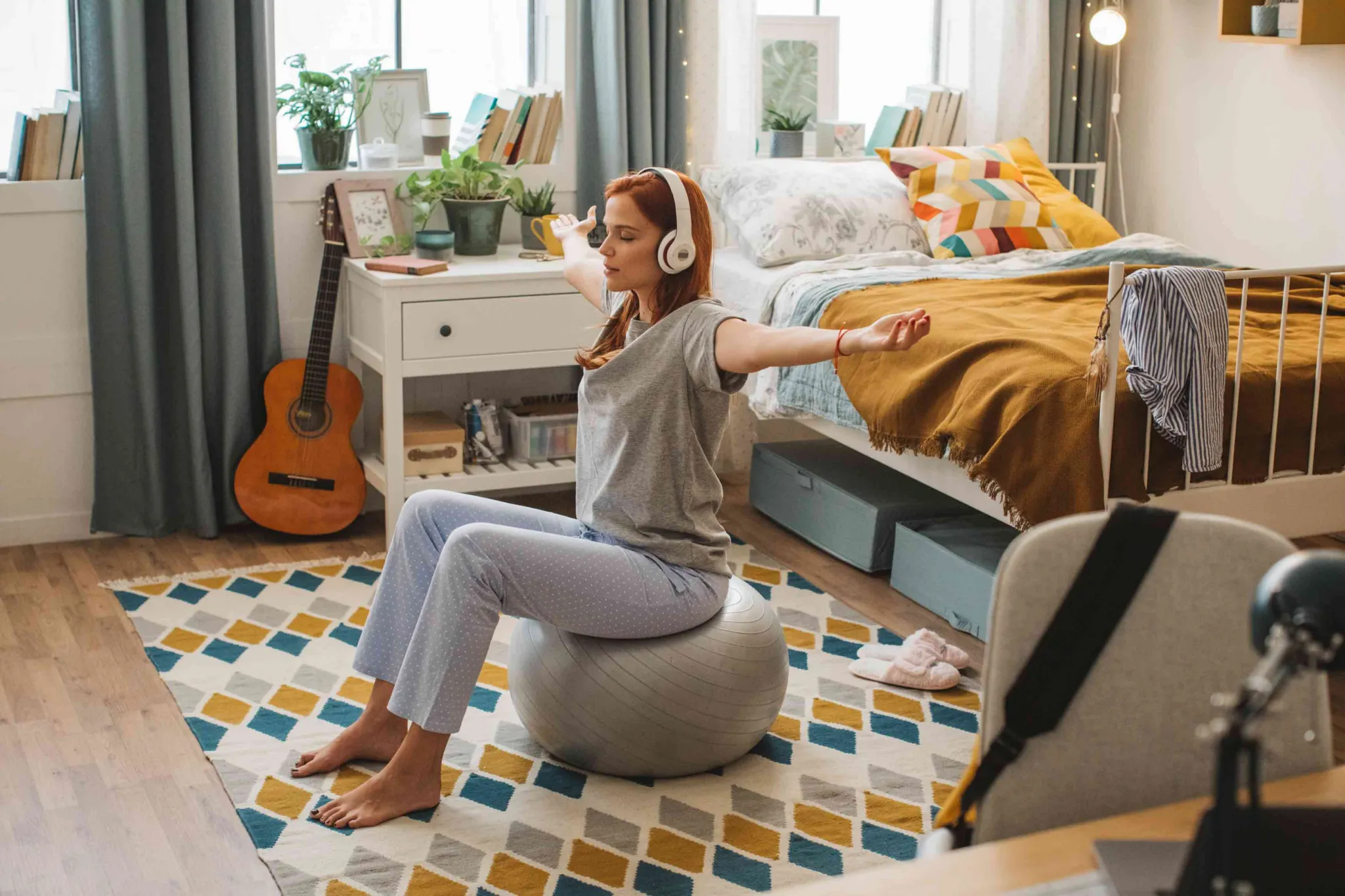
Long hours in the gym are not necessary to get both your brain and body moving. Often, the most effective doses of movement are small. Spend a few minutes doing yoga poses after a long studio session, or head outside for a short walk or bike ride. New ideas often emerge during these periods. Dance is another excellent form of self-expression through physical movement.
Movement Breaks During Studio Time
Frequent but short breaks are easier to maintain and more likely to sustain your energy throughout the day. That being said, different days may demand different levels of movement. If you’re fatigued, you may prefer light stretches, or if you’re short on inspiration, you may benefit from moving within a novel environment (e.g., strolling in a new neighborhood). Fine artist Danny Folkman, for instance, recommends weightlifting as the “perfect complementary activity to painting.”
If you struggle to break away from your creative work, set a timer and give yourself permission to pause. Think of it as an opportunity to gain fresh eyes for further artistic breakthroughs.
Nourishing Your Body and Mind
An overreliance on caffeine can hamper long-term sleep, not to mention cause your artwork to suffer if you become anxious or jittery. A nutritious diet can offer a similar energy boost while still sustaining that sense of alertness.
Easy, Sustainable Nutrition Habits
Nutritional overhauls may seem feasible in the moment but prove difficult to maintain over time. Instead, begin with small tweaks:
- Consider a few types of meals you already enjoy.
- Explore simple ways to add more fiber or protein (and especially more produce).
- Keep nutritious snacks or meals on hand so you can refuel as needed without relying on takeout or vending machines.
H3: Fueling Long Creative Sessions
When it comes to sustaining long studio sessions, nutrition is also critical. Maintain stable blood sugar by eating protein and fiber while avoiding the simple carbohydrates that would otherwise cause a spike-and-crash effect. Timing your meals impacts your circadian rhythm and energy levels throughout the day (much like the timing of light exposure does). Eat in the morning to provide a natural boost, and time your other meals and snacks to avoid hunger during studio sessions.
Finding Quiet Spaces to Recharge
What you do when you leave the studio is just as important as how you spend your time within creative spaces. Consider pursuits beyond sleep and exercise, seeking balance through other activities or immersing yourself within calming environments.
The Value of Stillness and Reflection
Silence limits cognitive load while reducing levels of the stress hormone cortisol. Through silence, a major source of sensory input is temporarily removed, and its absence allows us to tune into our thoughts rather than tending to constant auditory distractions.
Creating Calm in a Busy Schedule
The journey to finding calm begins with resisting the urge to fill silent moments with noise. If, for example, you encounter a moment of silence at home or work, allow it to persist as opposed to filling it with music or podcasts. Small steps toward mindfulness for creatives could entail five-minute meditation sessions or even leaving the headphones at home as you take a stroll.
Amplify the benefits of silence by seeking out natural spaces removed from the hum of human routine. These might not be entirely quiet, but the sounds they do feature (such as birdsong or rippling water) are relaxing and revitalizing in their own way. You might look for spaces designated by Quiet Parks International (QPI), which highlights natural areas with limited noise from traffic or planes.
Building and Leaning on Community
Regardless of the steps you can take on your own to find respite, ultimately, it takes a community to build a solid wellness foundation. When challenges inevitably emerge, it is in community that you find both practical and emotional support.
Connecting With Peer Support
Creative work can become isolating, but peers are in abundant supply if you know where to look. Prioritize connection by joining groups that meet regularly or simply showing up in the same spaces and starting conversations with others. Small interactions can give way to powerful relationships. As an artist, this might be as straightforward as attending openings and exhibitions, then prioritizing follow-through with any connections that emerge. Artist Jennifer Wen Ma explains, “When I meet artists, curators, and other cultural workers that I have an affinity with, I get their contact information, and do my best to keep in touch.”
The Strength of Creative Communities
When searching for social support, aim for quality over quantity. Finding people who accept and embrace you (even just a few) can provide a genuine sense of support and understanding. This doesn’t mean you need to limit your social interactions to fellow artists, but you may find greater commiseration among fellow creatives simply because they understand your mindset. They know firsthand what it’s like to trudge through the frustration of writer’s or artist’s block, but they also recognize the unparalleled joy of creating.
Accessing Counseling and Support Resources
Consistent wellness routines are baseline to artist mental health — especially when bolstered by community support. At times, however, you may still experience notable dips in your emotional or creative well-being. These might emerge in response to challenging life circumstances, or you may not be able to pinpoint their origins. No matter the situation, you deserve compassionate support when you turn to mental health services.
When and How to Seek Support
Don’t wait for crises to explore counseling or other dedicated support services. While these services are available in times of urgent need, a proactive approach makes it easier to find the right therapist and establish a strong relationship.
Check in with your mental state, and watch for signs of stress or isolation. Issues worth addressing include withdrawal from previous passion projects as well as persistent fatigue or irritation. As such signs emerge, look to the most accessible source of support. Begin with campus resources if you’re currently enrolled in a college-based art program, or explore community health organizations.
Normalizing Mental Health Care for Artists
Stigma surrounding mental health has commonly prevented people from seeking tangible wellness support, but these negative perceptions have been gradually fading. Now, therapy is viewed favorably or as a matter of routine, akin to dentist visits or gym sessions.
The National Health Interview Survey suggests that 1 in 5 adults used medications for mental health reasons, and 1 in 7 received counseling or therapy in 2024 — although rates are even higher among younger adults and those in metropolitan areas. Meanwhile, Pew Research shows that adults are largely comfortable discussing mental health.
Artists show an especially deep appreciation for the creative insights that counseling support can unlock. In fact, many artists have eventually pivoted into therapy careers because, as Art in America reveals, both practices involve “soul-searching, analyzing and embracing complexities.”
Balancing Studio Time with Self-Care
It takes time for great artistic creations to materialize, and yet, much of that time will be spent experimenting in the studio. This can be a space of joy and creative immersion, but it’s crucial to monitor your well-being and take breaks if you begin to falter. Essentials that support self-care for artists include:
Setting Boundaries With Your Work
Stress management for artists must be built into the rhythms of studio life. Begin by mapping out your schedule, especially in the context of your current college or workplace obligations. Determine where your artistic practice overlaps with class assignments or paid pursuits, and then consider how much time you want to dedicate to personal practice and exploration.
Next, add up those anticipated studio hours and contrast with experiences (scheduled or otherwise) outside the studio, the classroom or the office. Aim to spend at least one quality hour per day away from academic, professional or even artistic activities. Use this time to recharge as you see fit. This time away still supports your artistic practice and may actually lead to new sources of inspiration.
Making Wellness a Sustainable Practice
Once you have established artistic and wellness routines, be prepared to hold yourself accountable. Even if they can feel restrictive at times, routines offer a distinct sense of freedom that grants you the permission you may need to step away to recharge. Again, balance is key; going all in on wellness practices could ultimately deliver diminishing returns if you attempt to do too much at once.
Global Perspectives on Artist Well-Being
Societies all around the world look to artists for rich ideas that lend greater meaning to the rhythms of daily life. These artists share similar challenges in finding balance amid passionate studio practice. Many have uncovered inspiring opportunities for supporting mental health without sacrificing creativity.
Diverse Approaches to Health and Creativity
There are countless ways to boost creativity alongside your mental health. Look to creatives in other regions for inspiration for a sustainable creative practice:
- Japan – The art of kintsugi provides a powerful reminder of the creative value of imperfection. Artists use gold-dusted lacquer to make shattered pottery more beautiful than the original. Embrace ’emotional kintsugi’ by reflecting on imperfection and even using it as fuel for new creations.
- Norway – Scandinavian artists show a clear affinity for natural light and outdoor immersion. Through “friluftsliv” (open air life), Norwegians find freedom in communing with nature. Many local artists work outside or strive to create friluftsliv in their own studios, with large windows flooding spaces with natural light.
- Ghana – Rather than isolating in the studio, artists in Ghana lean into community, even turning Accra into a cultural hub. Art Basel calls attention to a “collaborative and transdisciplinary mindset” that has inspired connection via the “world’s most lively, creative and colorful scenes.”
Caring for Yourself as a Creative
At Rocky Mountain College of Art + Design (RMCAD), we are committed to supporting mental health. Offering wellness resources like counseling for students along with rich opportunities for expression, we believe in the power of community and connection to fuel creative breakthroughs. Life at RMCAD can be both inspiring and emotionally sustaining, with flexible programs and online coursework that support work-life balance for creatives. Learn more about our art-focused degree programs and abundant student resources.
Frequently Asked Questions
Why is wellness important for artists?
Wellness is important for artists because creative work can be physically and mentally demanding. Balancing studio time with healthy routines for sleep, movement and nutrition sustains energy and focus. Prioritizing well-being also supports mental health and helps prevent burnout, enabling artists to maintain their creativity over the long term.
How does sleep affect creativity?
Sleep plays a pivotal part in creativity by supporting memory, focus and problem-solving. Rest allows the mind to recharge and process ideas, which can lead to fresh insights and clearer thinking. Thus, building consistent sleep routines helps artists stay energized and mentally sharp for their creative work.
What are some simple ways to stay active during busy studio days?
Even on busy days, small movement breaks can make a big difference. Stretching, short walks or standing up regularly during long studio sessions helps reduce physical strain and refresh your focus. The goal is to add movement in sustainable ways that fit naturally into your daily routine (rather than aiming for intense workouts, for instance).
How can I eat well while balancing a demanding creative schedule?
Focusing on simple, sustainable nutrition habits makes healthy eating more manageable. Keeping nourishing snacks on hand, staying hydrated and planning easy meals can help fuel long creative sessions. Small, consistent choices are often more realistic and effective than strict or complicated approaches to nutrition.
Why is finding quiet space important for artists?
Quiet spaces offer a chance to recharge, reflect and reset. In the middle of a busy schedule, moments of stillness can reduce stress and support mental clarity. Creating calm, even briefly, helps artists manage the demands of their work and return to their creative practice feeling more balanced.
How can I connect with community and peer support as an artist?
Connecting with community can happen through peer groups, studio spaces, classes and creative networks. Sharing experiences with others who understand the creative process offers encouragement and quells feelings of isolation. Building these connections helps establish a support system that strengthens both well-being and creative growth.
When should I consider seeking counseling or mental health support?
It can be helpful to seek counseling or mental health support whenever you feel overwhelmed, persistently stressed or are struggling to cope. Support resources are valuable not only during difficult times but also as a proactive way to care for your well-being. Reaching out is a sign of strength, and mental health care is an integral part of overall wellness.