
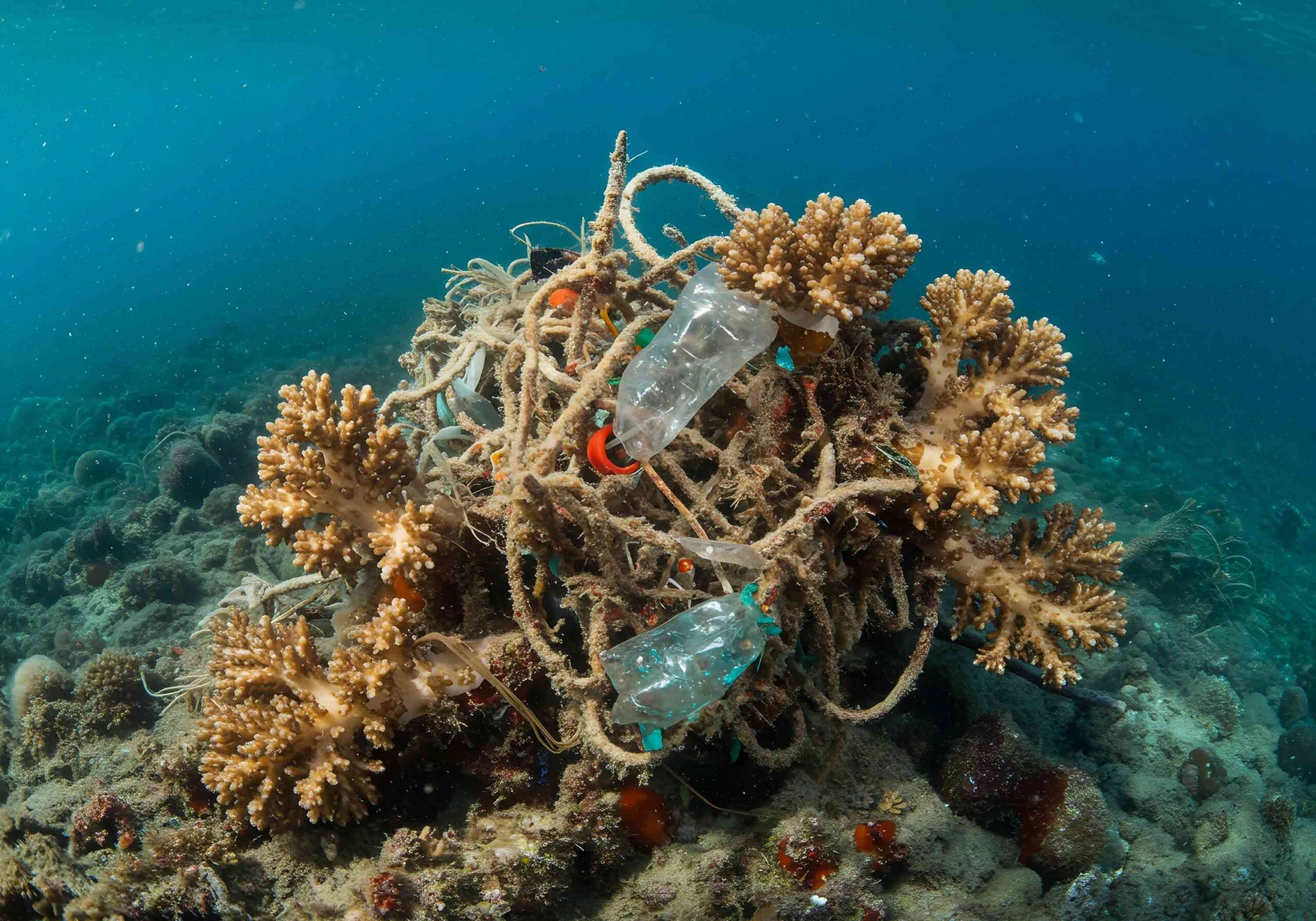
Have you ever been captivated by the power of a photograph? If so, then you know just how much of an impact photography can play on your own emotions. In the case of environmental or eco-photography, photos can be particularly effective in conveying the need for policy change and conservation efforts.
Just how can a single image break down language barriers and yield so much power? If you’re interested in studying photography, these are questions you’ll want to be able to answer for yourself.
The Power of Visual Storytelling in Environmental Advocacy
You’ve heard the saying, “a picture’s worth a thousand words,” and this sentiment rings especially true in environmental photography. Compared to other forms of media, such as news articles, photographs can tell a powerful story without technically using a single word.
Communicating Urgency Through Images
Photography can be used as a tool for conservation storytelling, capturing viewers’ attention with an eye-catching series of images that tell a compelling story. A photographer might, for example, publish a series of photos of wildlife entangled in plastic waste, or ducks covered in oil from a fuel tanker leak. These kinds of images not only tell a story, but convey a sense of urgency that makes viewers want to take action.
Connecting Emotionally With Audiences
Environmental portrait photography can also strike an emotional chord with audiences. And because emotions are an effective motivator for change, the ability to evoke an emotional response from viewers can be an extremely powerful skill for a photographer to have. When viewers see an image of animals in suffering at the hands of others or areas of the planet in ruins from the effects of climate change, an emotionally charged response may be more likely to lead to action.
Key Themes in Environmental Photography
The field of environmental photography is relatively broad, often encompassing several different themes that photographers return to time and time again.
Documenting Climate Change
Many professionals focus on climate change photography, aiming to capture images that convey the visible effects of such issues as melting glaciers, droughts, floods and other extreme weather.
Photography is also unique in that it can serve as a tool for documenting changes to landscapes over time. For instance, a photographer may commit to documenting the same glacier or coastline from the same perspective over a period of a decade to show firsthand how the glacier is melting or the coastline is eroding. This kind of imagery, although shocking, may be just what audiences need to understand the urgency of climate change efforts.
Showcasing Biodiversity and Conservation Efforts
Two other important areas of environmental photography include biodiversity photography and conservation photojournalism, both of which aim to document such issues as biodiversity loss, habitat loss and the endangerment of different species. And while photographs captured may highlight the negative impact on nature, photographers may also choose to capture the positive effects of conservation efforts, such as restoration and the use of sustainable practices, through uplifting nature conservation images.
Highlighting Pollution and Human Impact
The so-called “human impact” is another common theme in environmental photography, with images capturing the direct effects of humans and how they interact with the planet — for better or worse. These photographers may highlight issues such as pollution and industrialization through their ongoing work.
Techniques for Impactful Environmental Photography
So, what does it take for photographers to be successful in capturing powerful images that evoke emotion and possibly even inspire change?
Composition and Perspective
Composition and perspective are among the most important techniques in environmental photography. Specifically, composition refers to the use of space and the way visual elements are arranged within an image. In environmental photography, photographers are encouraged to use the rule of thirds to frame subjects and maximize impact.
Lighting and Color for Emotional Impact
The use of lighting and color can also be extremely powerful in environmental photography, with certain colors being proven to evoke certain feelings in viewers. Photographers may consider shooting during different times of day or bringing in their own lighting to achieve the preferred colors, shadows and other features.
Ethical Considerations in Environmental Photography
Aside from technical skill, environmental photographers also need to maintain a commitment to ethical and sustainable photography practices while they work. Depending on the context, this may mean keeping a clear distance away from wildlife and leaving no trace. Environmental photographers should also be sure to obtain permission from any individuals who may be in the area while respecting the cultural values of local people.
Some photographers may take this a step further to include focusing on minimizing waste in their own work. They may, for instance, avoid purchasing single-use items and instead opt for reusable/rechargeable camera batteries. When traveling to areas they plan to photograph, they may be conscious of their carbon footprint, opting to take public transportation to their destinations.
Case Studies of Influential Environmental Campaigns
Many famous environmental photographers have made a difference by using photography as a tool for social change. Could you be the next photographer on this list?
National Geographic’s Planet or Plastic? Campaign
National Geographic’s “Planet or Plastic?” campaign has been especially effective in raising awareness about the impact of plastic trash on ecosystems across the globe. Ultimately, these images aim to encourage audiences to rethink their own use of plastic, including single-use plastic.
Paul Nicklen’s Polar Bear Climate Photography
Paul Nicklen, a photographer for National Geographic, is well known for his polar bear wildlife photojournalism that highlights the impacts of climate change on wildlife (including polar bears) in the polar regions. This image, titled “Polar Reflections,” highlights the lack of hunting platforms (sea ice) needed by polar bears to hunt for seals.
Cristina Mittermeier and SeaLegacy’s
Meanwhile, conservation photographer Cristina Mittermeier has co-founded (alongside Paul Nicklen and Andy Mann) a “global marketing, education, and communication agency for the ocean.” Known as SeaLegacy, this agency aims to use wildlife conservation photography as a tool “to protect and rewild the ocean for the benefit of biodiversity, humanity, and climate within our lifetimes” by generating awareness and moving audiences.
The Nature Conservancy’s Global Photo Stories
Finally, an organization known as The Nature Conservancy holds an annual global photo contest to encourage conservation efforts and promote environmental awareness across the globe. This contest typically receives over 100,000 submissions across categories such as flora, fauna, landscape and climate. It offers both professional and amateur photographers a platform to share their messages.
How Photographers Collaborate With Environmental Organizations
While you might think of photography as relatively independent work, the reality is that many photographers have successfully teamed up with various environmental organizations to create positive change.
Partnering for Global Campaigns
One environmental photographer, Paul Nicklen, partnered with National Geographic to raise awareness about the effects of climate change and the climate crisis on marine life, using underwater photography and other skills to call attention to major issues.
Licensing and Distribution for Maximum Reach
Environmental photographers may also choose to license their photos to the press or find other creative ways to distribute them and get them in front of as many viewers as possible. Social media has made this especially easy, as photographers can publish a photo on one platform and watch it spread across the web. On some platforms, users may even use special hashtags to label images, which could even lead to grassroots movements for change.
Inspiring Change Through Photography
Photography can absolutely be a tool for change, especially when images inspire viewers to take action. When images help viewers feel more connected to nature while bringing awareness to certain issues, the possibilities for change are endless. This was seen, for example, during the Civil Rights movement as photography was used as a tool to capture injustices, spread awareness and mobilize people to action. It’s not so much of a stretch to understand how these same concepts can be applied to photography and environmental awareness campaigns.
Encouraging Grassroots Action
It might sound crazy to think that you could change the world as an environmental photographer. Still, when your images truly inspire people to rethink their own habits or advocate for certain policy changes, the reality is that you are making a positive impact that can change the world for the better.
Photography as a Catalyst for Policy Change
In some cases, photography can even serve as a starting point for much-needed policy change. When people can see firsthand how certain actions or issues are affecting the world in which they live, they may be more likely to propose and advocate for new policies to protect nature.
Develop Your Skills in a Photography Degree Program
Whether through documenting environmental issues, educating the public or motivating people to act, skilled photographers can have a major impact on future efforts made to protect our beloved planet. Are you interested in being part of the next generation of eco-photographers or conservation photographers? If so, a solid foundation could make all the difference.
At Rocky Mountain College of Art + Design (RMCAD), our Bachelor of Fine Arts in Photography covers the technical, ethical and professional skills aspiring photographers need to explore a wide range of career paths in the industry, from conversational photojournalism and climate crisis photography to environmental photojournalism and more.
Offered both on-campus and online, this program offers plenty of opportunities for hands-on practice and extensive portfolio building. With coursework covering such skills as visual storytelling, lighting and even the business side of photography, students can explore the ins and outs of the field and prepare for their future careers. Learn more by getting in touch or starting your online application for admission today.